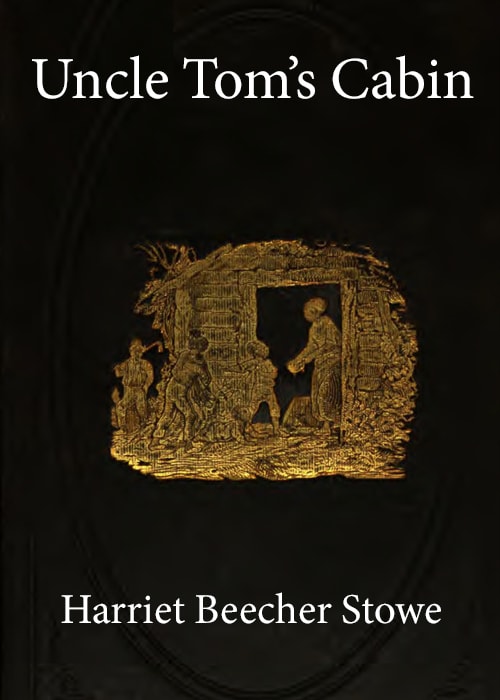
Uncle Tom's Cabin
1852
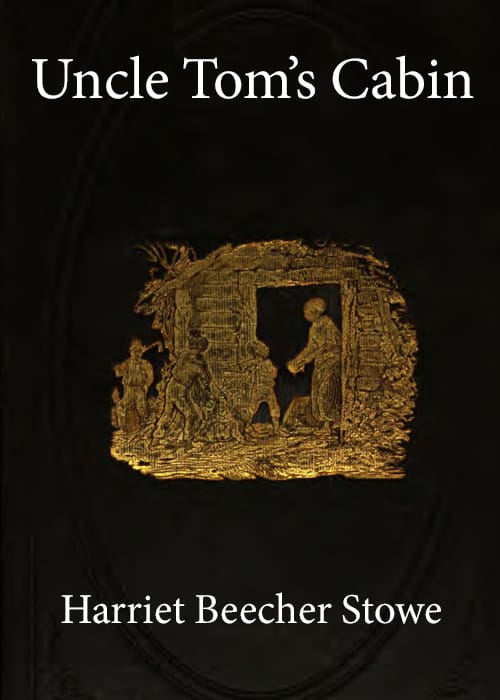
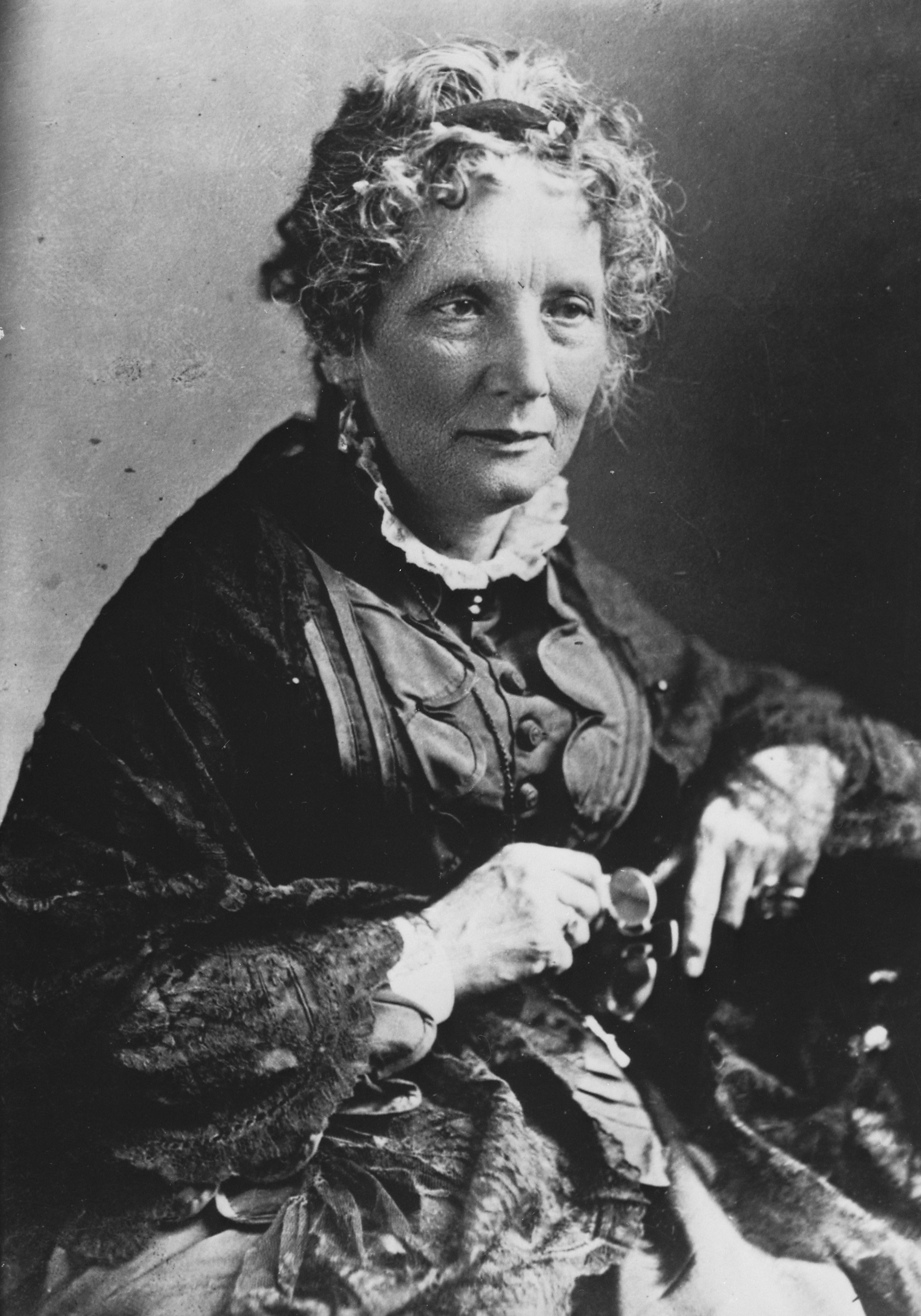
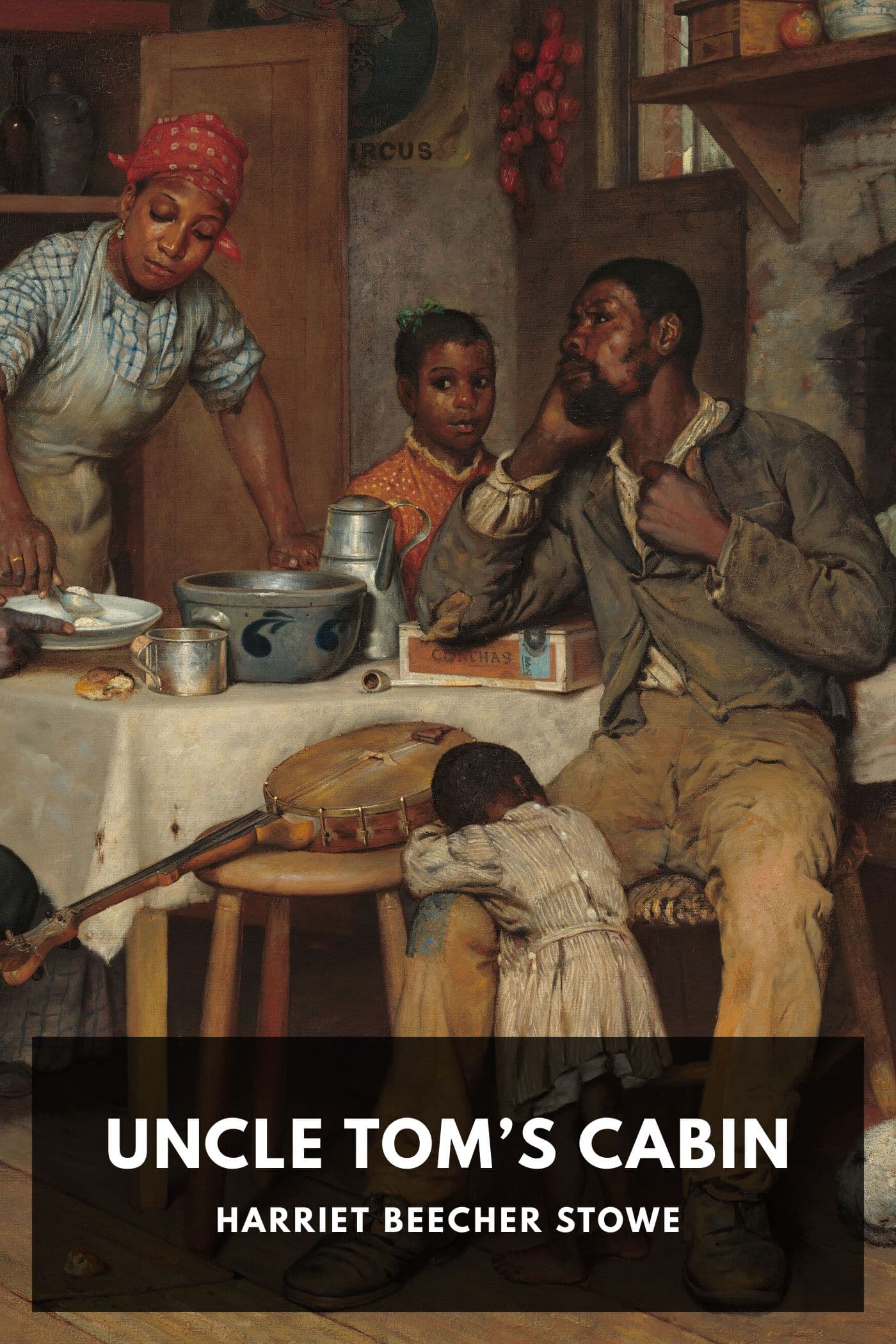
Harriet Beecher Stowe wrote Uncle Tom's Cabin in 1852, and it detonated across America like a match to gunpowder. The best-selling novel of the 19th century, it depicted enslaved people not as property but as fully human beings with families, faith, and the capacity for suffering. Through the story of Uncle Tom, a man of profound Christian gentleness sold downriver through a series of increasingly cruel owners, and Eliza, who crosses ice-choked rivers with her child rather than let him be sold, Stowe made an unanswerable argument: that American slavery was a sin so monstrous it would tear the nation apart. The novel reads as both tearful sermon and gripping adventure. Stowe wields the sentimental tradition of her time with devastating effect, forcing readers to empathize with people the law deemed mere property. The religious conviction on every page is inseparable from her political argument: a Christianity that blesses bondage is no Christianity at all. Yet the book carries a shadow. The stereotypes it inadvertently codified would haunt American culture for generations. This is a book that changed history. It remains essential reading for anyone who wants to understand how literature can reshape a nation's conscience, and how difficult it is to tell the truth about cruelty without the truth causing harm in unexpected ways.
Editions
X-Ray
“The longest way must have its close - the gloomiest night will wear on to a morning.””
— Harriet Beecher Stowe
“Soon after the completion of his college course, his whole nature was kindled into one intense and passionate effervescence of romantic passion. His hour came,”
— Harriet Beecher Stowe
“...the heart has no tears to give,--it drops only blood, bleeding itself away in silence.””
— Harriet Beecher Stowe
“Of course, in a novel, people’s hearts break, and they die, and that is the end of it; and in a story this is very convenient. But in real life we do not die when all that makes life bright dies to us. There is a most busy and important round of eating, drinking, dressing, walking, visiting, buying, selling, talking, reading, and all that makes up what is commonly called living, yet to be gone through…””
— Harriet Beecher Stowe
“There are in this world blessed souls, whose sorrows all spring up into joys for others; whose earthly hopes, laid in the grave with many tears, are the seed from which spring healing flowers and balm for the desolate and the distressed.””
— Harriet Beecher Stowe
“Any mind that is capable of a real sorrow is capable of good.””
— Harriet Beecher Stowe
“Perhaps it is impossible for a person who does no good not to do harm.””
— Harriet Beecher Stowe
“For how imperiously, how coolly, in disregard of all one’s feelings, does the hard, cold, uninteresting course of daily realities move on! Still we must eat, and drink, and sleep, and wake again, - still bargain, buy, sell, ask and answer questions, - pursue, in short, a thousand shadows, though all interest in them be over; the cold, mechanical habit of living remaining, after all vital interest in it has fled.””
— Harriet Beecher Stowe
“Treat 'em like dogs, and you'll have dogs' works and dogs' actions. Treat 'em like men, and you'll have men's works.””
— Harriet Beecher Stowe
Link to this book
Add a free, dofollow link to Lex on your blog, forum, syllabus, or reading list.

<a href="https://lex-books.com/book/uncle-tom-s-cabin-8b74b466-17cc-4f68-bdce-b08bd0ad0b16"><img src="https://lex-books.com/badges/read-on-lex.svg" alt="Read Uncle Tom's Cabin by Harriet Beecher Stowe free on Lex" width="160" height="40"></a>[](https://lex-books.com/book/uncle-tom-s-cabin-8b74b466-17cc-4f68-bdce-b08bd0ad0b16)[url=https://lex-books.com/book/uncle-tom-s-cabin-8b74b466-17cc-4f68-bdce-b08bd0ad0b16][img]https://lex-books.com/badges/read-on-lex.svg[/img][/url]Read Uncle Tom's Cabin by Harriet Beecher Stowe free on Lex: https://lex-books.com/book/uncle-tom-s-cabin-8b74b466-17cc-4f68-bdce-b08bd0ad0b16Cite this book
Reading this edition for a paper or guide? Copy a citation.
Stowe, Harriet Beecher. Uncle Tom's Cabin. Lex, lex-books.com/book/uncle-tom-s-cabin-8b74b466-17cc-4f68-bdce-b08bd0ad0b16.Stowe, H. B. (1852). Uncle Tom's Cabin. Lex. https://lex-books.com/book/uncle-tom-s-cabin-8b74b466-17cc-4f68-bdce-b08bd0ad0b16Stowe, Harriet Beecher. Uncle Tom's Cabin. Lex. https://lex-books.com/book/uncle-tom-s-cabin-8b74b466-17cc-4f68-bdce-b08bd0ad0b16.