The Winter's Tale
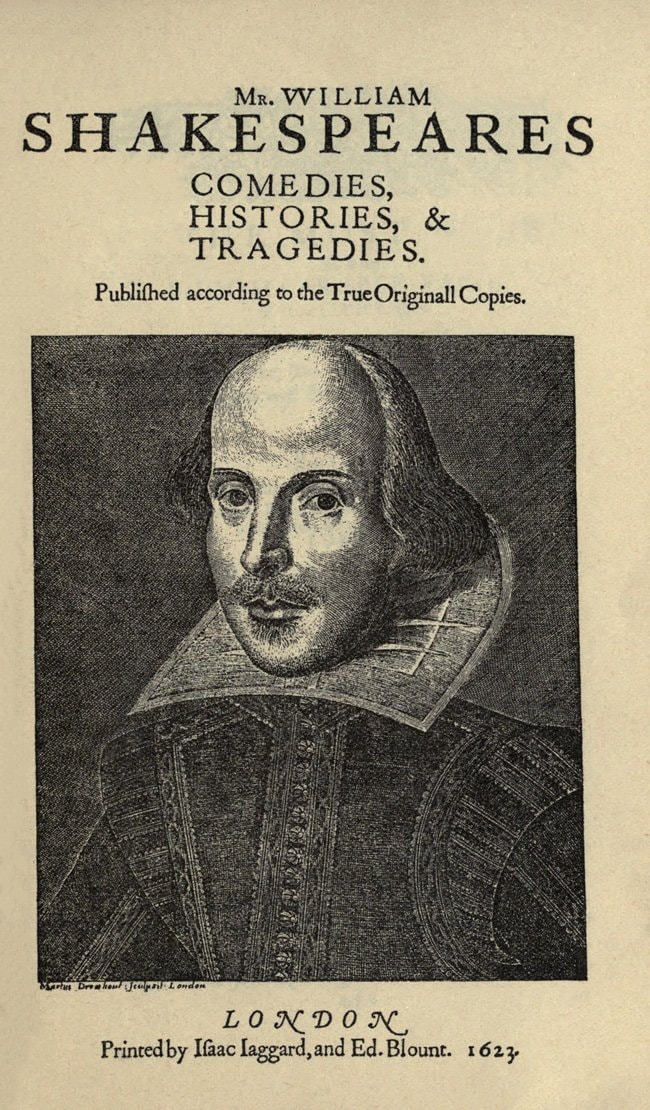
1623
The Winter's Tale
1623
A king watches his best friend embrace his pregnant wife, and in a single burning moment, his mind catches fire. What follows is one of Shakespeare's most devastating explorations of jealousy turned to poison: Leontes of Sicilia destroys his family, his kingdom, and himself, all on the basis of nothing but paranoid imagination. The first three acts of The Winter's Tale are relentless tragedy, a man dismantling everything he loves through the sheer destructive power of irrational suspicion. But Shakespeare was not done. Sixteen years vanish in a stage direction, and the play pivots into something unexpected: a pastoral world of sheep-shearing festivals, young lovers, and a gentle rogue named Autolycus. Here, in the sunlit fields of Bohemia, the conditions for redemption slowly gather. A lost daughter has survived. A son has not. And in the play's final moments, a statue seems to breathe, to step down from its pedestal, to return from the dead. Is it miracle? Illusion? The forgiveness of a wife who has every reason to remain stone? The Winter's Tale asks the most dangerous question a story can ask: can the dead return? Can damage be undone? It is Shakespeare's gamble that joy can emerge from ruin, that time might heal what jealousy shattered.
Editions

X-Ray
“Exit, pursued by a bear.””
— William Shakespeare
“A sad tale's best for winter: I have one of sprites and goblins.””
— William Shakespeare
“Though I am not naturally honest, I am sometimes so by chance.””
— William Shakespeare
“I do feel it gone, But know not how it went””
— William Shakespeare
“What a fool honesty is.””
— William Shakespeare
“It is an heretic that makes the fire, Not she which burns in't.””
— William Shakespeare
“I have drunk and seen the spider.””
— William Shakespeare
“a wild dedication of yourselvesTo undiscovered waters, undreamed shores.””
— William Shakespeare
“There's some ill planet reigns:I must be patient till the heavens lookWith an aspect more favourable. Good my lords,I am not prone to weeping, as our sexCommonly are; the want of which vain dewPerchance shall dry your pities: but I haveThat honourable grief lodged here which burnsWorse than tears drown: beseech you all, my lords,With thoughts so qualified as your charitiesShall best instruct you, measure me; and soThe king's will be perform'd!””
— William Shakespeare
Link to this book
Add a free, dofollow link to Lex on your blog, forum, syllabus, or reading list.

<a href="https://lex-books.com/book/the-winter-s-tale-49ff322c-7dc4-407d-91ce-265f40eeb17e"><img src="https://lex-books.com/badges/read-on-lex.svg" alt="Read The Winter's Tale by William Shakespeare free on Lex" width="160" height="40"></a>[](https://lex-books.com/book/the-winter-s-tale-49ff322c-7dc4-407d-91ce-265f40eeb17e)[url=https://lex-books.com/book/the-winter-s-tale-49ff322c-7dc4-407d-91ce-265f40eeb17e][img]https://lex-books.com/badges/read-on-lex.svg[/img][/url]Read The Winter's Tale by William Shakespeare free on Lex: https://lex-books.com/book/the-winter-s-tale-49ff322c-7dc4-407d-91ce-265f40eeb17eCite this book
Reading this edition for a paper or guide? Copy a citation.
Shakespeare, William. The Winter's Tale. Lex, lex-books.com/book/the-winter-s-tale-49ff322c-7dc4-407d-91ce-265f40eeb17e.Shakespeare, W. (1623). The Winter's Tale. Lex. https://lex-books.com/book/the-winter-s-tale-49ff322c-7dc4-407d-91ce-265f40eeb17eShakespeare, William. The Winter's Tale. Lex. https://lex-books.com/book/the-winter-s-tale-49ff322c-7dc4-407d-91ce-265f40eeb17e.