The Tempest
1623

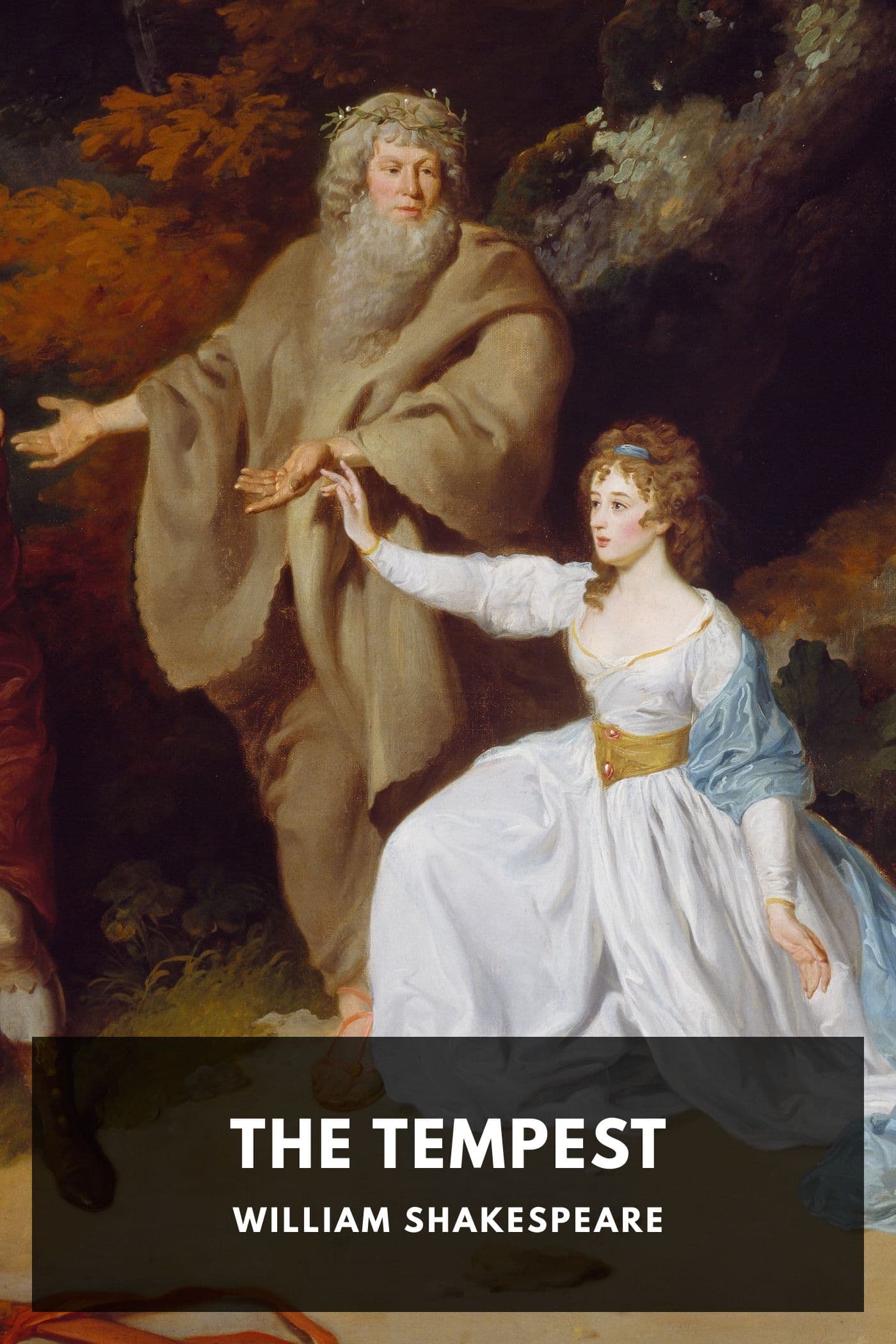
On a remote island, a former duke practices forbidden magic. Prospero orchestrates a storm that shipwrecks his enemies onto his shores, setting in motion a delicate game of revenge, redemption, and ultimately, forgiveness. His daughter Miranda has grown up in isolation, knowing only her father and their two servants: Caliban, the island's original inhabitant who resents his subjugation, and Ariel, the spirit whose freedom Prospero holds hostage. As the story unfolds, Prospero must confront the men who exiled him twelve years before, including the king who stole his dukedom. But the play pivots unexpectedly toward grace. The famous wedding masque in Act IV serves as a breathtaking interlude, a vision of love and fertility that also functions as Prospero's farewell to his own magical art. Some scholars hear Shakespeare's voice in Prospero's renunciation of magic: a playwright surrendering his greatest power. Others read the play as a colonial allegory, mapping European domination onto the island's tangled relationships. Whatever the lens, The Tempest endures because it asks what none of us want to answer: when we finally hold power over those who wronged us, what do we do with it?
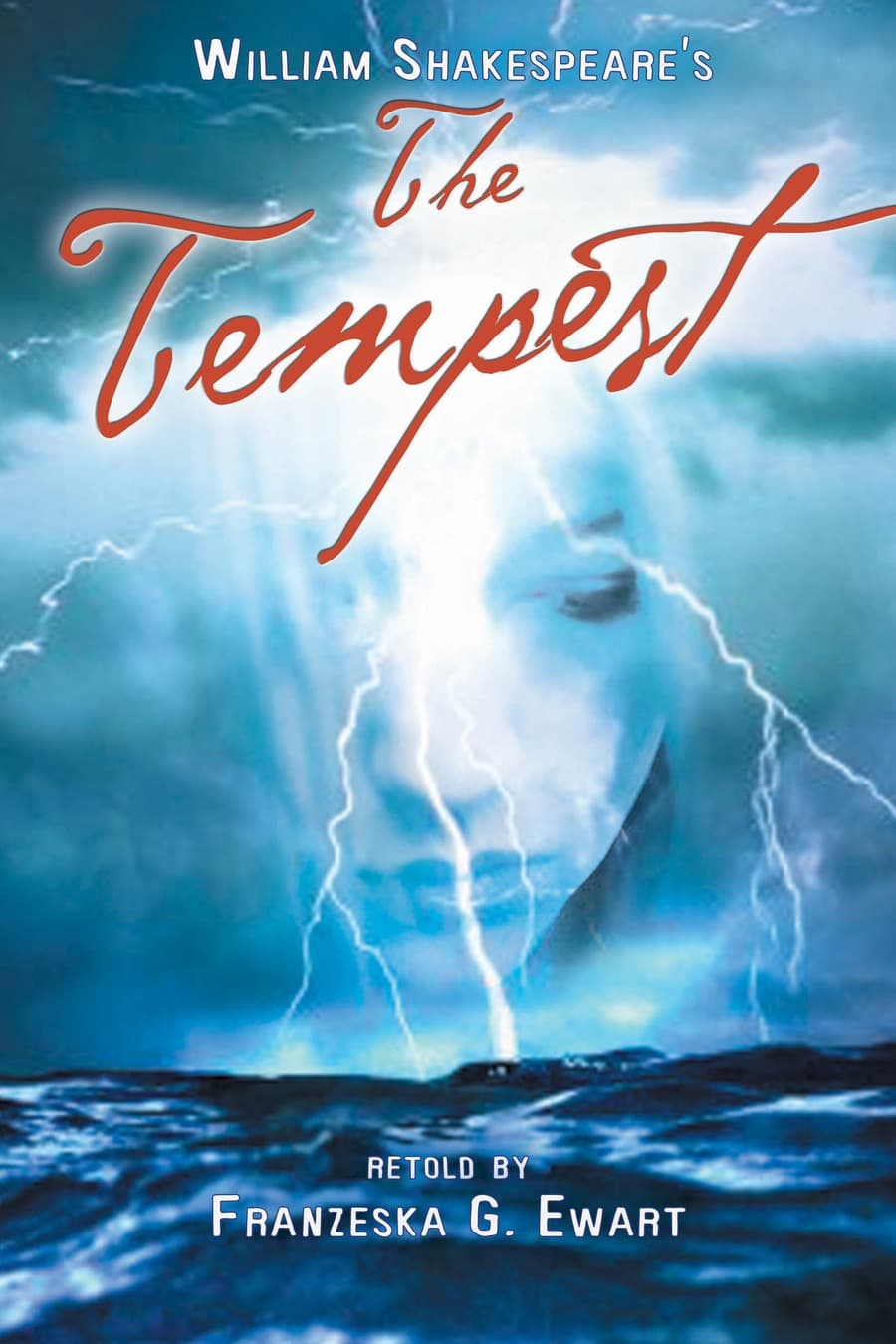
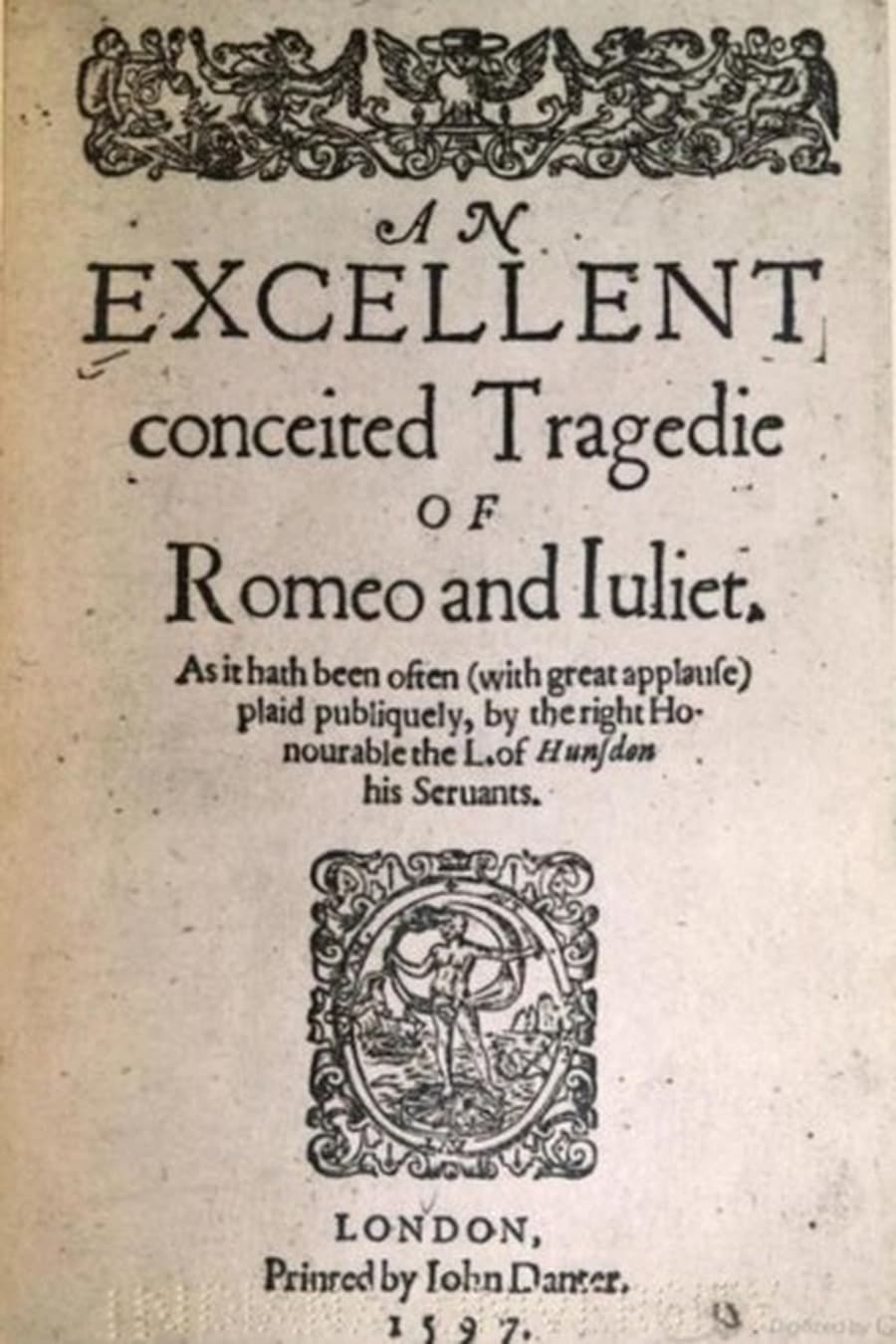
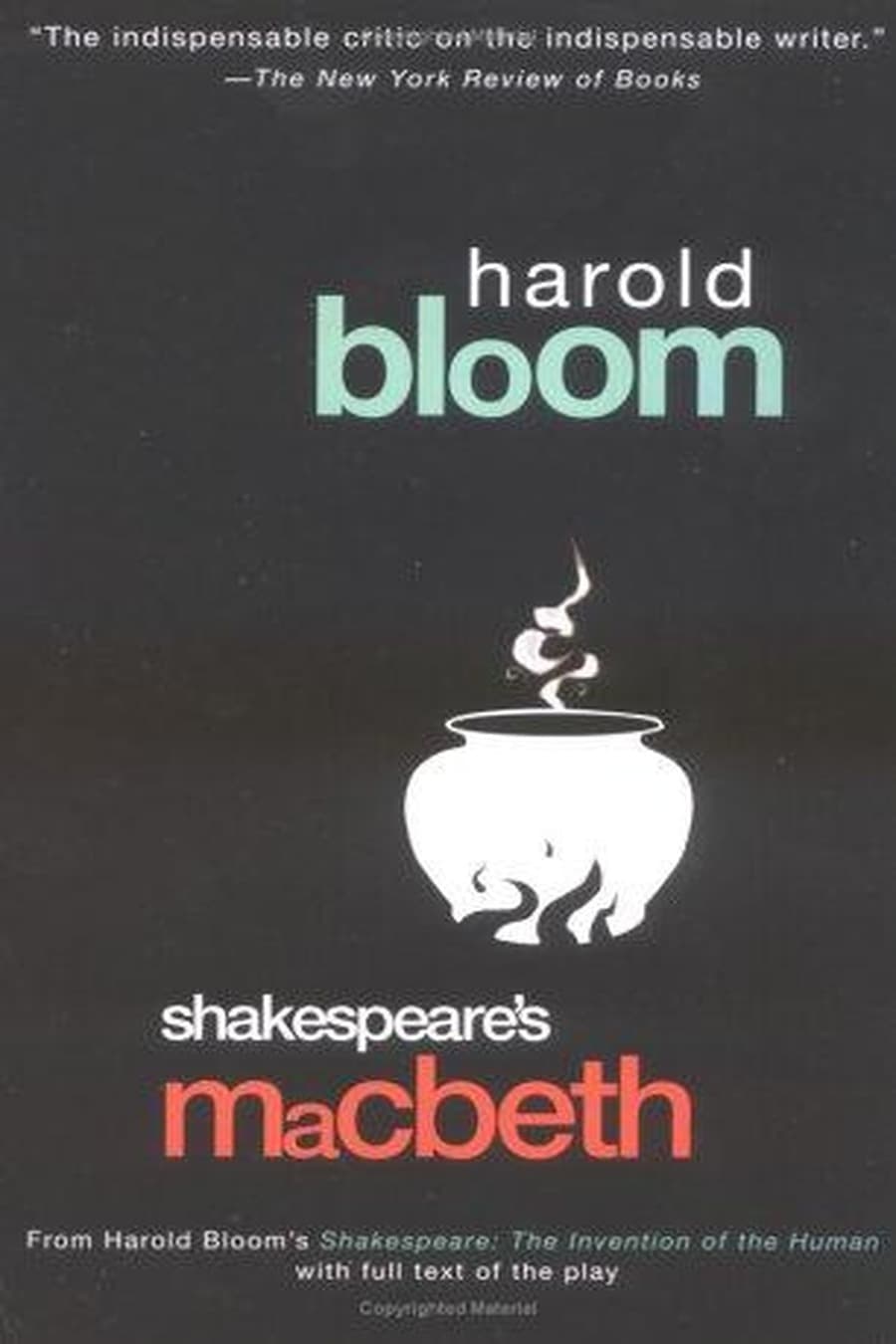
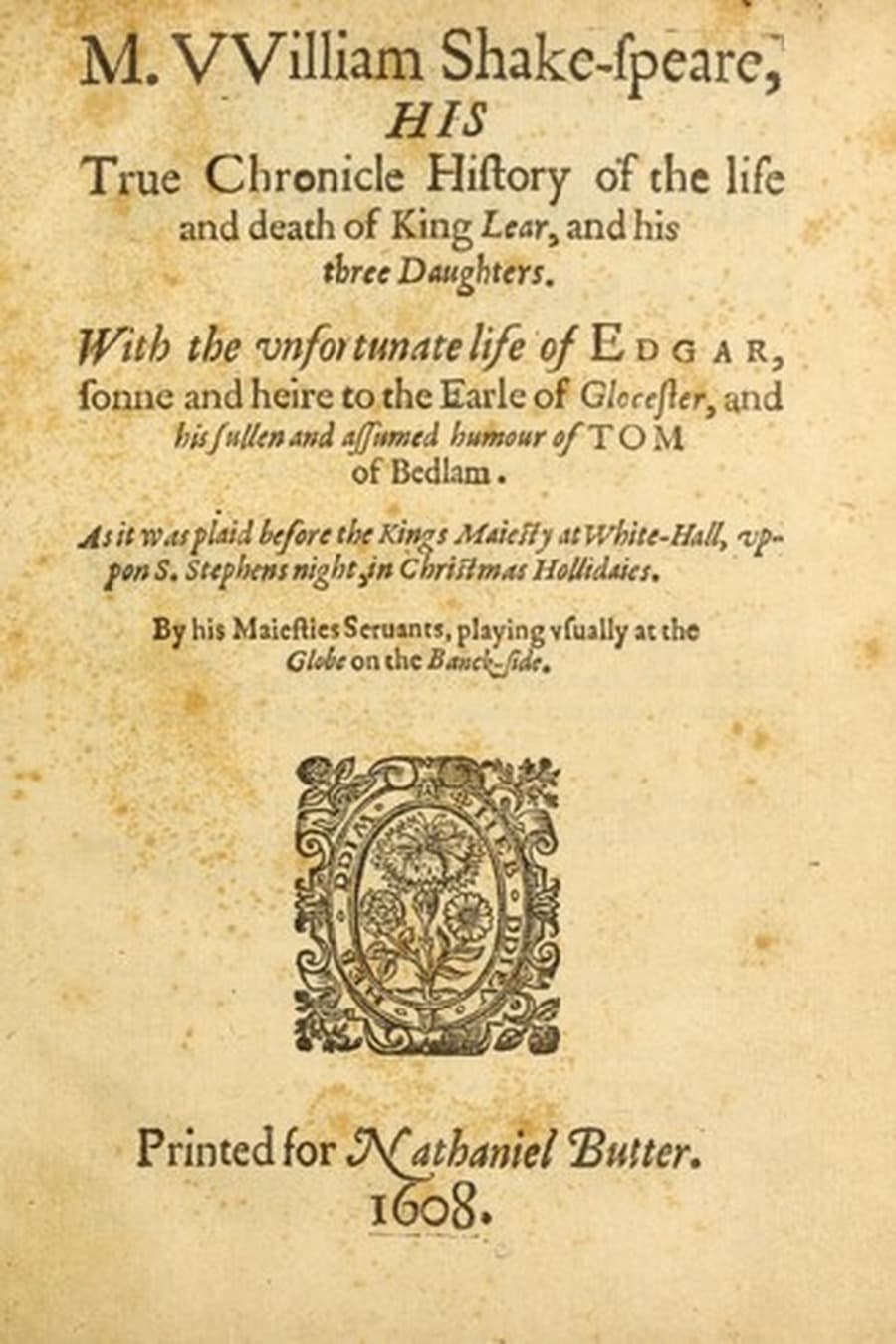
Editions

X-Ray
“Hell is empty and all the devils are here.””
— William Shakespeare
“We are such stuff as dreams are made on, and our little life is rounded with a sleep.””
— William Shakespeare
“What's past is prologue.””
— William Shakespeare
“Our revels now are ended. These our actors, As I foretold you, were all spirits and Are melted into air, into thin air: And, like the baseless fabric of this vision, The cloud-capp’d towers, the gorgeous palaces, The solemn temples, the great globe itself, Yea, all which it inherit, shall dissolve And, like this insubstantial pageant faded, Leave not a rack behind. We are such stuff As dreams are made on, and our little life Is rounded with a sleep.””
— William Shakespeare
“Me, poor man, my libraryWas dukedom large enough.””
— William Shakespeare
“O, wonder!How many goodly creatures are there here!How beauteous mankind is! O brave new world,That has such people in't!””
— William Shakespeare
“Be not afeard; the isle is full of noises,Sounds, and sweet airs, that give delight and hurt not.Sometimes a thousand twangling instrumentsWill hum about mine ears; and sometime voices,That, if I then had waked after long sleep,Will make me sleep again: and then, in dreaming,The clouds methought would open, and show richesReady to drop upon me; that, when I waked,I cried to dream again.””
— William Shakespeare
“Full fathom five thy father lies;Of his bones are coral made;Those are pearls that were his eyes:Nothing of him that doth fade,But doth suffer a sea-changeInto something rich and strange.Sea-nymphs hourly ring his knell: Ding-dong Hark! now I hear them,”
— William Shakespeare
“This thing of darkness IAcknowledge mine.””
— William Shakespeare
Link to this book
Add a free, dofollow link to Lex on your blog, forum, syllabus, or reading list.

<a href="https://lex-books.com/book/the-tempest-9f6d51ec-fc4e-4970-a10d-8409f368d9cb"><img src="https://lex-books.com/badges/read-on-lex.svg" alt="Read The Tempest by William Shakespeare free on Lex" width="160" height="40"></a>[](https://lex-books.com/book/the-tempest-9f6d51ec-fc4e-4970-a10d-8409f368d9cb)[url=https://lex-books.com/book/the-tempest-9f6d51ec-fc4e-4970-a10d-8409f368d9cb][img]https://lex-books.com/badges/read-on-lex.svg[/img][/url]Read The Tempest by William Shakespeare free on Lex: https://lex-books.com/book/the-tempest-9f6d51ec-fc4e-4970-a10d-8409f368d9cbCite this book
Reading this edition for a paper or guide? Copy a citation.
Shakespeare, William. The Tempest. Lex, lex-books.com/book/the-tempest-9f6d51ec-fc4e-4970-a10d-8409f368d9cb.Shakespeare, W. (1623). The Tempest. Lex. https://lex-books.com/book/the-tempest-9f6d51ec-fc4e-4970-a10d-8409f368d9cbShakespeare, William. The Tempest. Lex. https://lex-books.com/book/the-tempest-9f6d51ec-fc4e-4970-a10d-8409f368d9cb.