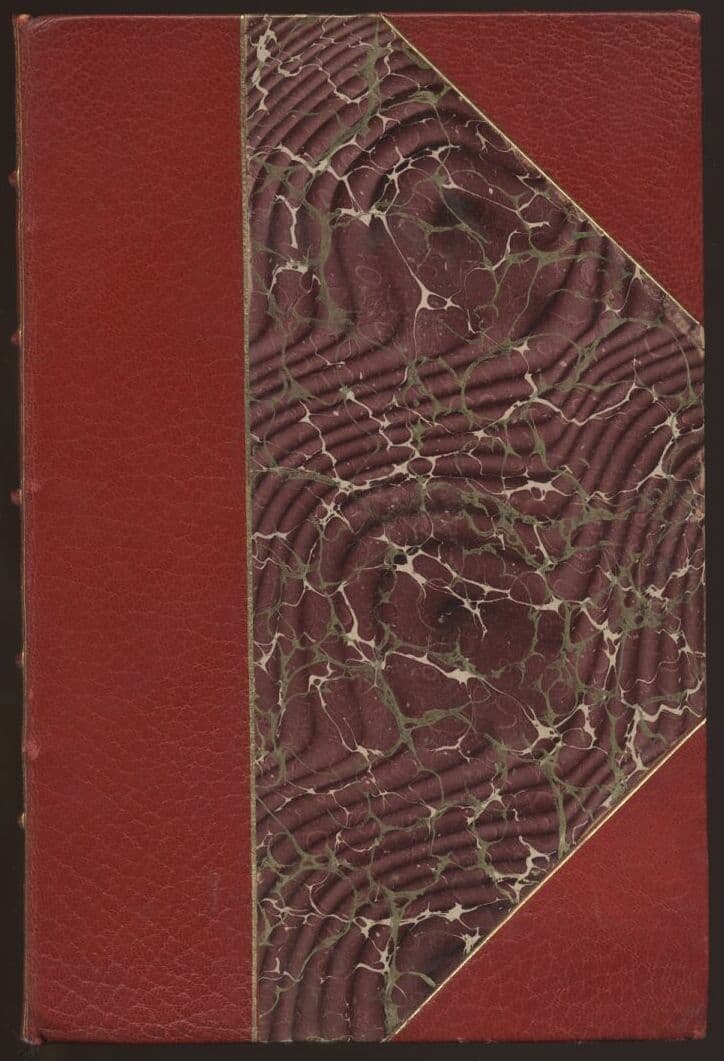
The Strange Case of Dr. Jekyll and Mr. Hyde
1886
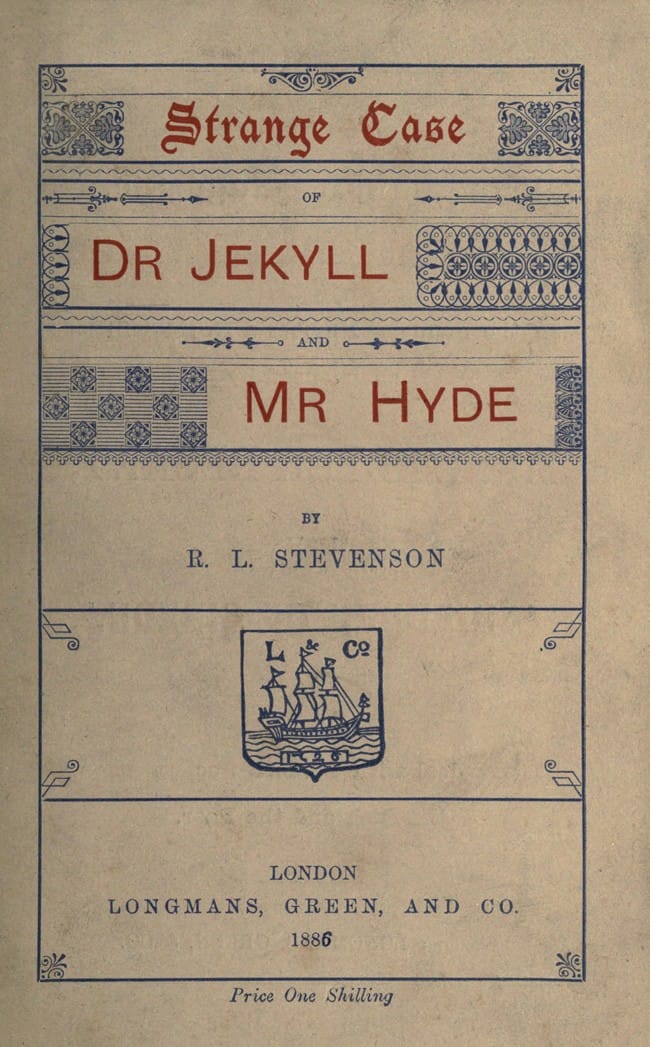
The Strange Case of Dr. Jekyll and Mr. Hyde
1886
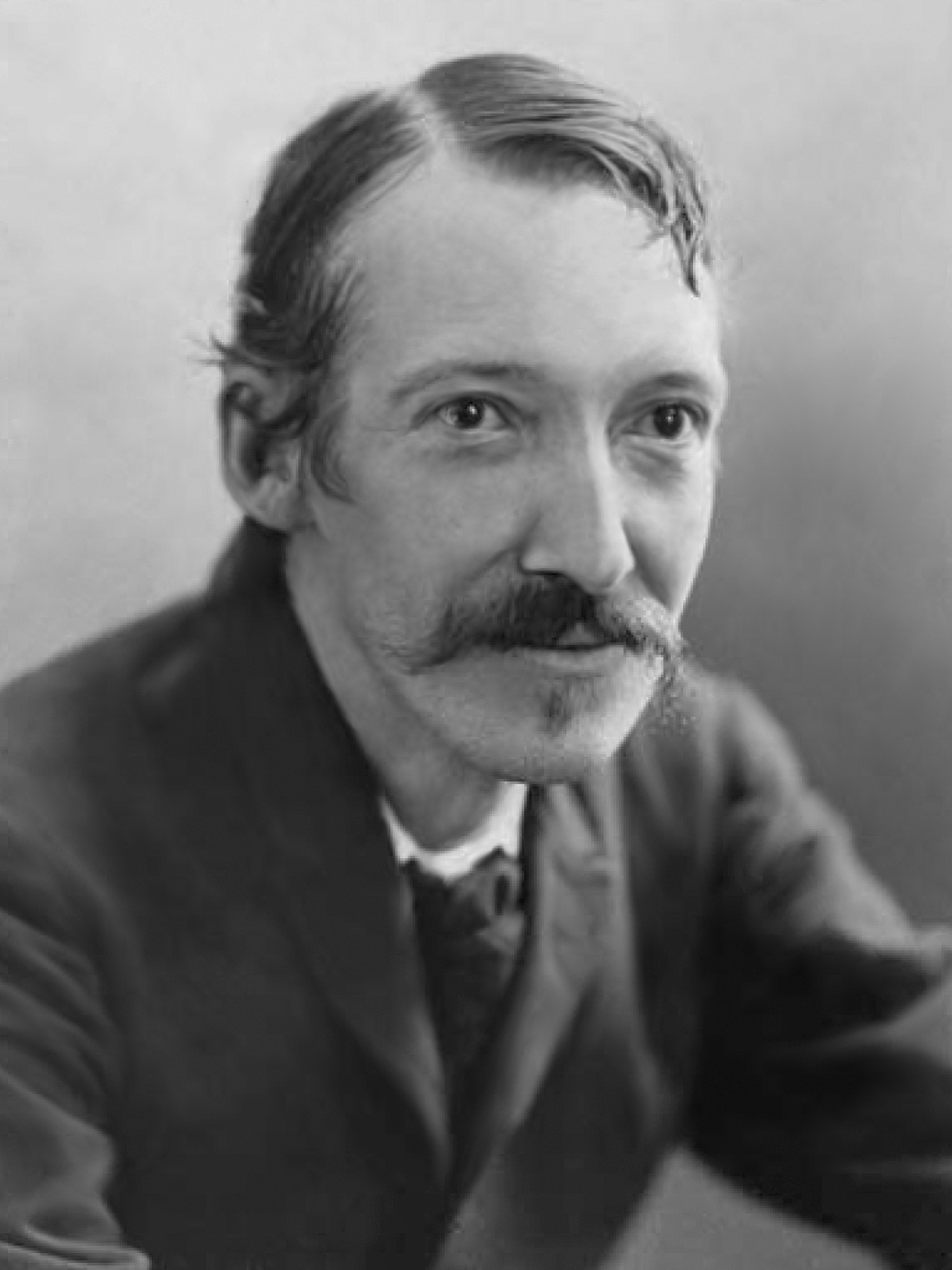
Few novels have seared themselves into the collective consciousness the way this one has. Robert Louis Stevenson wrote it in a fever dream, pulled from his wife's arms after screaming through a night terror, and the raw, urgent quality of that creation still reverberates. In fog-shrouded Victorian London, the respectable Dr. Henry Jekyll seems the very model of Victorian virtue: generous, cultured, trusted. His friend Utterson, a lawyer, grows troubled by Jekyll's peculiar will, which bequeaths everything to a mysterious man named Edward Hyde, a figure so loathsome that a servant faints at the sight of him. When Hyde tramples a child in the street and signs Jekyll's name to the compensation cheque, the web of mystery tightens. What follows is a descent into the dark architecture of the soul itself, a terrifying proposition: that beneath every civilized exterior lurks something feral, something hungry, something utterly without remorse. More than a horror story, it is an exposé of the hypocrisy at the heart of respectable society, and a question that still haunts us: what exactly are we capable of, if no one is watching?
Editions

X-Ray
“Quiet minds cannot be perplexed or frightened but go on in fortune or misfortune at their own private pace, like a clock during a thunderstorm.””
— Robert Louis Stevenson
“If he be Mr. Hyde" he had thought, "I shall be Mr. Seek.””
— Robert Louis Stevenson
“If I am the chief of sinners, I am the chief of sufferers also.””
— Robert Louis Stevenson
“It is one thing to mortify curiosity, another to conquer it.””
— Robert Louis Stevenson
“I learned to recognise the thorough and primitive duality of man; I saw that, of the two natures that contended in the field of my consciousness, even if I could rightly be said to be either, it was only because I was radically both.””
— Robert Louis Stevenson
“With every day, and from both sides of my intelligence, the moral and the intellectual, I thus drew steadily nearer to the truth, by whose partial discovery I have been doomed to such a dreadful shipwreck: that man is not truly one, but truly two.””
— Robert Louis Stevenson
“You must suffer me to go my own dark way.””
— Robert Louis Stevenson
“All human beings, as we meet them, are commingled out of good and evil: and Edward Hyde, alone, in the ranks of mankind, was pure evil.””
— Robert Louis Stevenson
“I sat in the sun on a bench; the animal within me licking the chops of memory; the spiritual side a little drowsed, promising subsequent penitence, but not yet moved to begin.””
— Robert Louis Stevenson
Link to this book
Add a free, dofollow link to Lex on your blog, forum, syllabus, or reading list.

<a href="https://lex-books.com/book/the-strange-case-of-dr-jekyll-and-mr-hyde-64d24467-8358-47fa-81ca-769a8f67e9ff"><img src="https://lex-books.com/badges/read-on-lex.svg" alt="Read The Strange Case of Dr. Jekyll and Mr. Hyde by Robert Louis Stevenson free on Lex" width="160" height="40"></a>[](https://lex-books.com/book/the-strange-case-of-dr-jekyll-and-mr-hyde-64d24467-8358-47fa-81ca-769a8f67e9ff)[url=https://lex-books.com/book/the-strange-case-of-dr-jekyll-and-mr-hyde-64d24467-8358-47fa-81ca-769a8f67e9ff][img]https://lex-books.com/badges/read-on-lex.svg[/img][/url]Read The Strange Case of Dr. Jekyll and Mr. Hyde by Robert Louis Stevenson free on Lex: https://lex-books.com/book/the-strange-case-of-dr-jekyll-and-mr-hyde-64d24467-8358-47fa-81ca-769a8f67e9ffCite this book
Reading this edition for a paper or guide? Copy a citation.
Stevenson, Robert Louis. The Strange Case of Dr. Jekyll and Mr. Hyde. Lex, lex-books.com/book/the-strange-case-of-dr-jekyll-and-mr-hyde-64d24467-8358-47fa-81ca-769a8f67e9ff.Stevenson, R. L. (1886). The Strange Case of Dr. Jekyll and Mr. Hyde. Lex. https://lex-books.com/book/the-strange-case-of-dr-jekyll-and-mr-hyde-64d24467-8358-47fa-81ca-769a8f67e9ffStevenson, Robert Louis. The Strange Case of Dr. Jekyll and Mr. Hyde. Lex. https://lex-books.com/book/the-strange-case-of-dr-jekyll-and-mr-hyde-64d24467-8358-47fa-81ca-769a8f67e9ff.