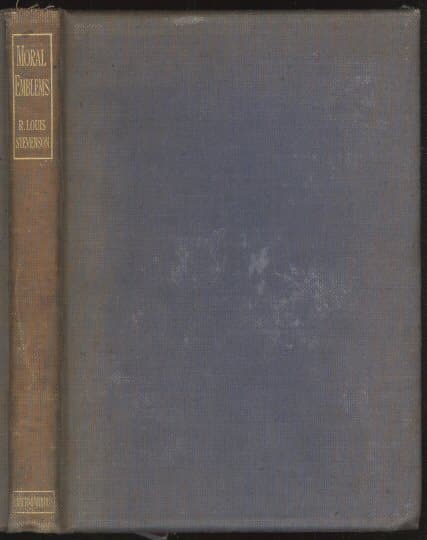
The Works of Robert Louis Stevenson - Swanston Edition, Vol. 20
The Works of Robert Louis Stevenson - Swanston Edition, Vol. 20
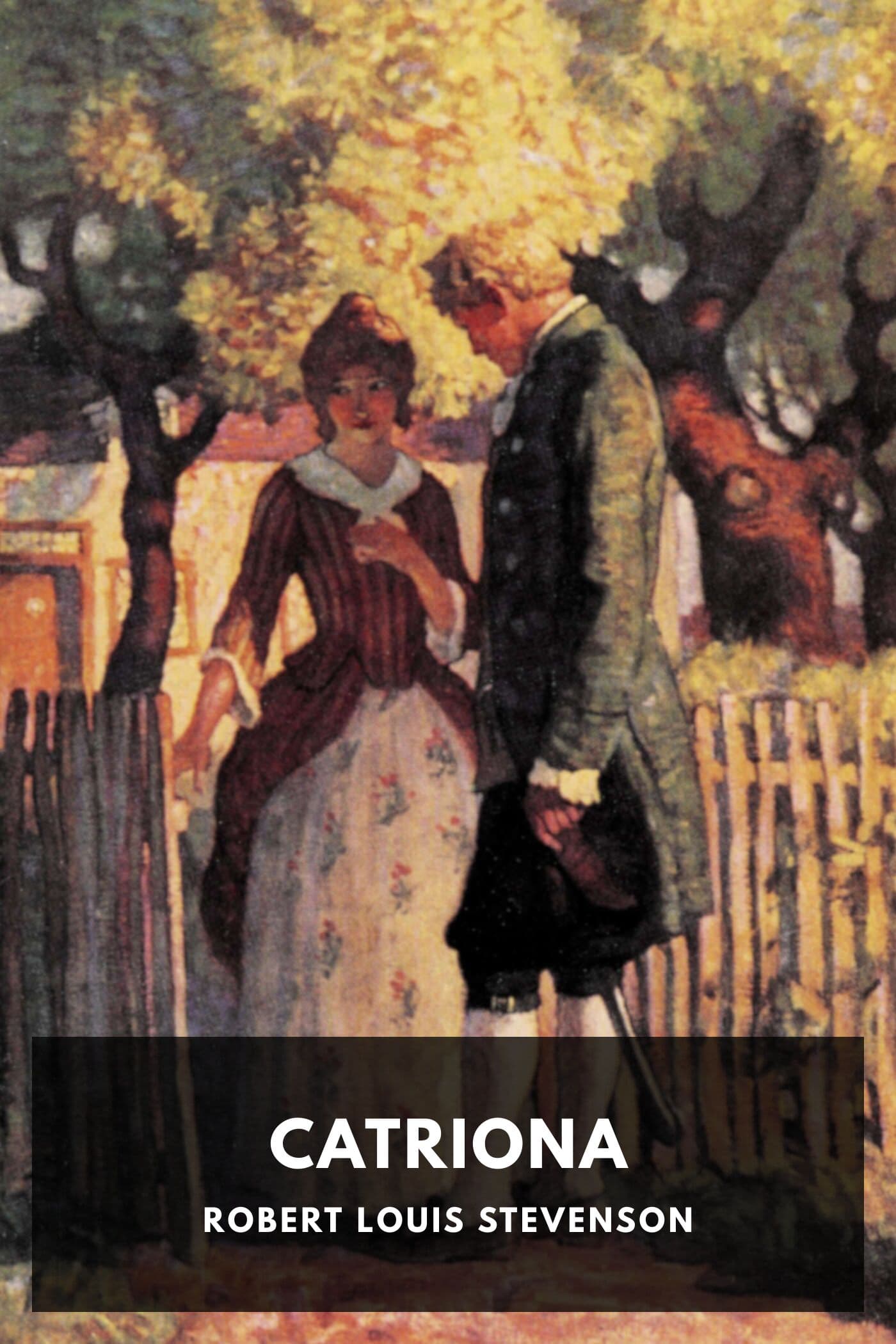
This volume contains 'St. Ives,' Stevenson's only prison narrative and a curious outlier in his oeuvre. The novel follows a French officer captured during the Napoleonic Wars and held in Edinburgh Castle, where he must navigate captivity using wit, charm, and his impeccable English. What begins as a tale of confinement becomes something richer: a meditation on identity under pressure, on how circumstance reveals character. The arrival of Flora, a sharp-tongued young woman who visits the prison, ignites a romantic subplot that complicates the protagonist's carefully constructed persona. Stevenson weaves suspense and longing together, building rivalry among prisoners while suggesting that freedom and captivity are as much states of mind as physical conditions. The novel was left unfinished at Stevenson's death, completed later by Arthur Quiller-Couch, which lends the work an additional layer of melancholy and what-might-have-been.
Editions
X-Ray
“What am I to call it? Diffidence? The fear of ridicule? Inverted vanity? What matters names, if it has brought me to this? I could never bear to be bustling about nothing; I was ashamed of this toy kingdom from the first; I could not tolerate that people should fancy I believed in a thing so patently absurd! I would do nothing that cannot be done smiling. I have a sense of humour, forsooth! I must know better than my Maker. And it was the same thing in my marriage," he added more hoarsely. "I did not believe this girl could care for me; I must not intrude; I must preserve the foppery of my indifference. What an impotent picture!""Ay, we have the same blood," moralised Gotthold. "You are drawing, with fine strokes, the character of the born sceptic.""Sceptic?”
— Robert Louis Stevenson
“Vanity dies hard, in some obstinate cases it outlives the man.””
— Robert Louis Stevenson
“Rightly looked upon,' mused Gotthold, 'it is ourselves that we cannot forgive, when we refuse forgiveness to our friend. Some strand of our own misdoing is involved in every quarrel.””
— Robert Louis Stevenson
“The woman who can manage, like the man who can fight, must never shrink from an encounter. The knight must not disgrace his weapons.””
— Robert Louis Stevenson
“The stars alone, cheerful whisperers, confer quietly with each of us like friends; they give ear to our sorrows smilingly, like wise old men, rich in tolerance; and by their double scale, so small to the eye, so vast to the imagination, they keep before the mind the double character of man’s nature and fate.””
— Robert Louis Stevenson
“And yet it has not changed my love,’ returned Otto softly. ‘Our misdeeds do not change us. Gotthold, fill your glass. Let us drink to what is good in this bad business; let us drink to our old affection; and, when we have done so, forgive your too just grounds of offence, and drink with me to my wife, whom I have so misused, who has so misused me, and whom I have left, I fear, I greatly fear, in danger. What matters it how bad we are, if others can still love us, and we can still love others?””
— Robert Louis Stevenson
“The devil you would!’ exclaimed the Prince. The licentiate Roederer laughed most heartily. ‘I thought I should astonish you,’ he said. ‘These are not the ideas of the masses.””
— Robert Louis Stevenson
“When you look about you,’ interrupted the licentiate, ‘you behold the ignorant. But in the laboratory of opinion, beside the studious lamp, we begin already to discard these figments. We begin to return to nature’s order,””
— Robert Louis Stevenson
“O, sir!’ she cried, ‘I wish to beg of you to spare my father; for I assure your Highness, if he had known who you was, he would have bitten his tongue out sooner. And Fritz, too”
— Robert Louis Stevenson
Link to this book
Add a free, dofollow link to Lex on your blog, forum, syllabus, or reading list.

<a href="https://lex-books.com/book/the-works-of-robert-louis-stevenson-swanston-edition-vol-20-f83b6c3f-2d6b-449d-ab9b-8dcaddc76846"><img src="https://lex-books.com/badges/read-on-lex.svg" alt="Read The Works of Robert Louis Stevenson - Swanston Edition, Vol. 20 by Robert Louis Stevenson free on Lex" width="160" height="40"></a>[](https://lex-books.com/book/the-works-of-robert-louis-stevenson-swanston-edition-vol-20-f83b6c3f-2d6b-449d-ab9b-8dcaddc76846)[url=https://lex-books.com/book/the-works-of-robert-louis-stevenson-swanston-edition-vol-20-f83b6c3f-2d6b-449d-ab9b-8dcaddc76846][img]https://lex-books.com/badges/read-on-lex.svg[/img][/url]Read The Works of Robert Louis Stevenson - Swanston Edition, Vol. 20 by Robert Louis Stevenson free on Lex: https://lex-books.com/book/the-works-of-robert-louis-stevenson-swanston-edition-vol-20-f83b6c3f-2d6b-449d-ab9b-8dcaddc76846Cite this book
Reading this edition for a paper or guide? Copy a citation.
Stevenson, Robert Louis. The Works of Robert Louis Stevenson - Swanston Edition, Vol. 20. Lex, lex-books.com/book/the-works-of-robert-louis-stevenson-swanston-edition-vol-20-f83b6c3f-2d6b-449d-ab9b-8dcaddc76846.Stevenson, R. L. (n.d.). The Works of Robert Louis Stevenson - Swanston Edition, Vol. 20. Lex. https://lex-books.com/book/the-works-of-robert-louis-stevenson-swanston-edition-vol-20-f83b6c3f-2d6b-449d-ab9b-8dcaddc76846Stevenson, Robert Louis. The Works of Robert Louis Stevenson - Swanston Edition, Vol. 20. Lex. https://lex-books.com/book/the-works-of-robert-louis-stevenson-swanston-edition-vol-20-f83b6c3f-2d6b-449d-ab9b-8dcaddc76846.