The Merry Wives of Windsor
1602
The only Shakespeare comedy rooted squarely in Elizabethan middle-class life, not distant kingdoms or myth. Falstaff, the magnificent rogue from Henry IV, arrives in Windsor fat with confidence and short on sense, sending identical love letters to two respectable married women. The wives discover his scheme and conspire to destroy him. What follows is a gleeful cascade of humiliation: Falstaff stuffed into a laundry basket, dumped in the Thames, and made to wander Herne's Oak in the dead of night wearing a buck's head while the whole town mocks him. The husbands blunder through bewildered, the pages chase each other through Windsor, and the wives orchestrate it all with razor-sharp coordination. This is Shakespeare at his most democratic, where clever women run circles around pompous men and the comic machinery hums with pure theatrical joy. Falstaff remains wonderfully impossible, a walking ego desperate to believe his own mythology. The play endures because it's impossibly fun, and because those wives are among Shakespeare's most vital female creations.
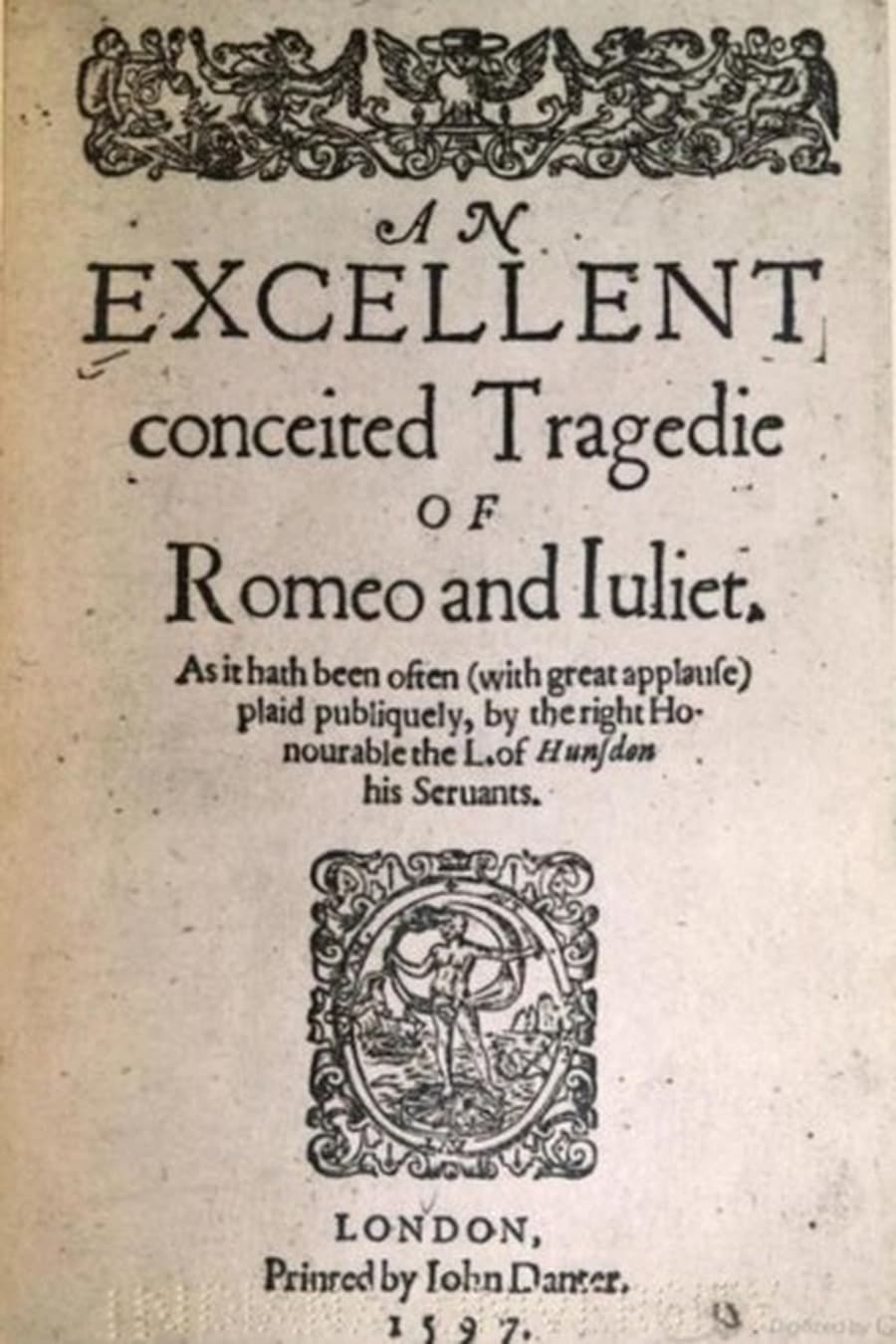
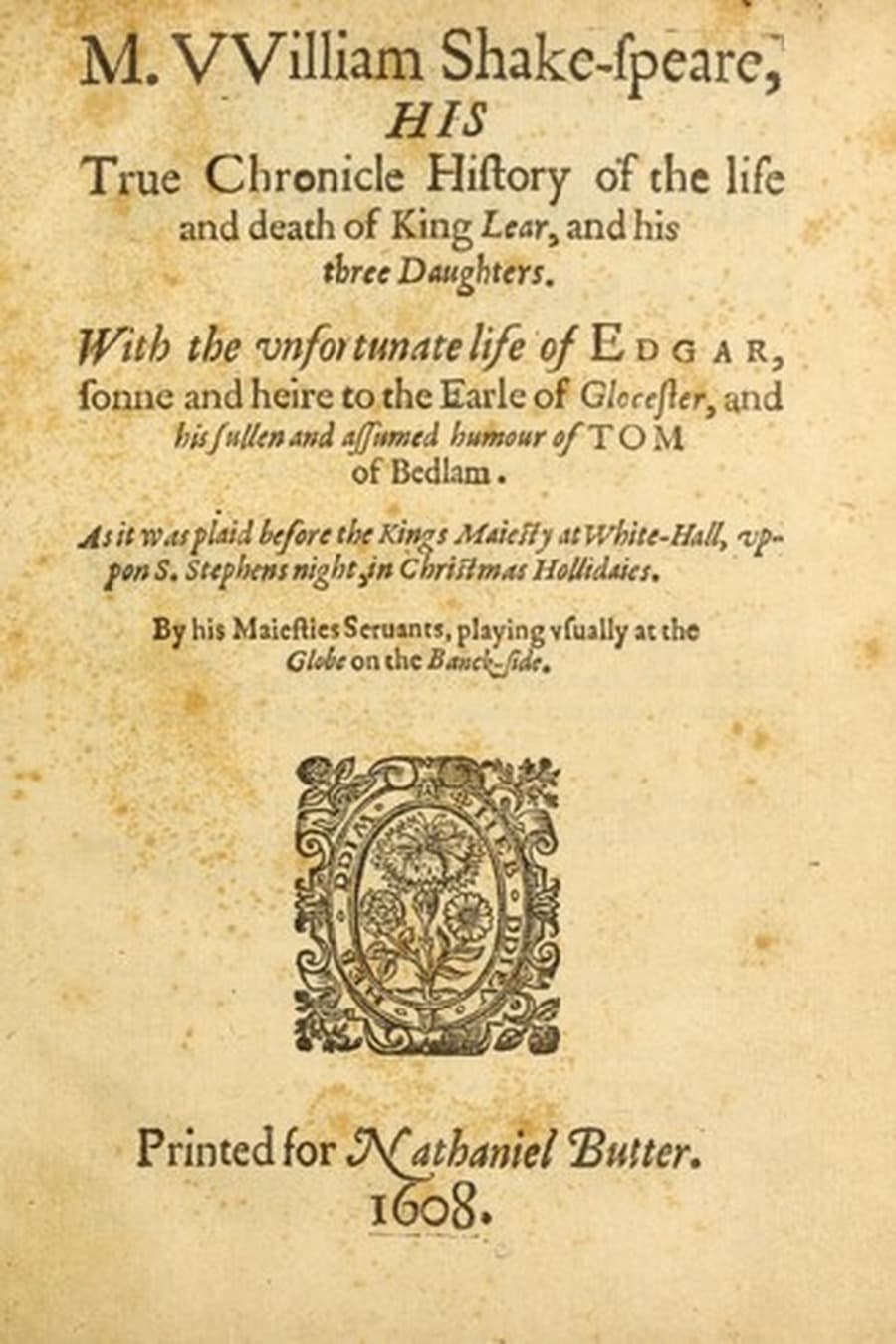
Editions

X-Ray
“Better three hours too soon than a minute too late.””
— William Shakespeare
“Love like a shadow flies when substance love pursuesPursuing that that flies, and flying what pursues.””
— William Shakespeare
“I think the devil will not have me damned, lest the oil that's in me should set hell on fire.””
— William Shakespeare
“Why, then the world ’s mine oyster,Which I with sword will open.””
— William Shakespeare
“Come, gentlemen, I hope we shall drink down all unkindness.””
— William Shakespeare
“I will find you twenty lascivious turtles ere one chaste man.””
— William Shakespeare
“if money go before, all ways do lie open.””
— William Shakespeare
“I assure thee: setting the attractions of mygood parts aside I have no other charms.””
— William Shakespeare
“Here will be an old abusing of God’s patience and the king’s English.””
— William Shakespeare
Link to this book
Add a free, dofollow link to Lex on your blog, forum, syllabus, or reading list.

<a href="https://lex-books.com/book/the-merry-wives-of-windsor-442ca96f-eb68-4d39-8055-385514350614"><img src="https://lex-books.com/badges/read-on-lex.svg" alt="Read The Merry Wives of Windsor by William Shakespeare free on Lex" width="160" height="40"></a>[](https://lex-books.com/book/the-merry-wives-of-windsor-442ca96f-eb68-4d39-8055-385514350614)[url=https://lex-books.com/book/the-merry-wives-of-windsor-442ca96f-eb68-4d39-8055-385514350614][img]https://lex-books.com/badges/read-on-lex.svg[/img][/url]Read The Merry Wives of Windsor by William Shakespeare free on Lex: https://lex-books.com/book/the-merry-wives-of-windsor-442ca96f-eb68-4d39-8055-385514350614Cite this book
Reading this edition for a paper or guide? Copy a citation.
Shakespeare, William. The Merry Wives of Windsor. Lex, lex-books.com/book/the-merry-wives-of-windsor-442ca96f-eb68-4d39-8055-385514350614.Shakespeare, W. (1602). The Merry Wives of Windsor. Lex. https://lex-books.com/book/the-merry-wives-of-windsor-442ca96f-eb68-4d39-8055-385514350614Shakespeare, William. The Merry Wives of Windsor. Lex. https://lex-books.com/book/the-merry-wives-of-windsor-442ca96f-eb68-4d39-8055-385514350614.