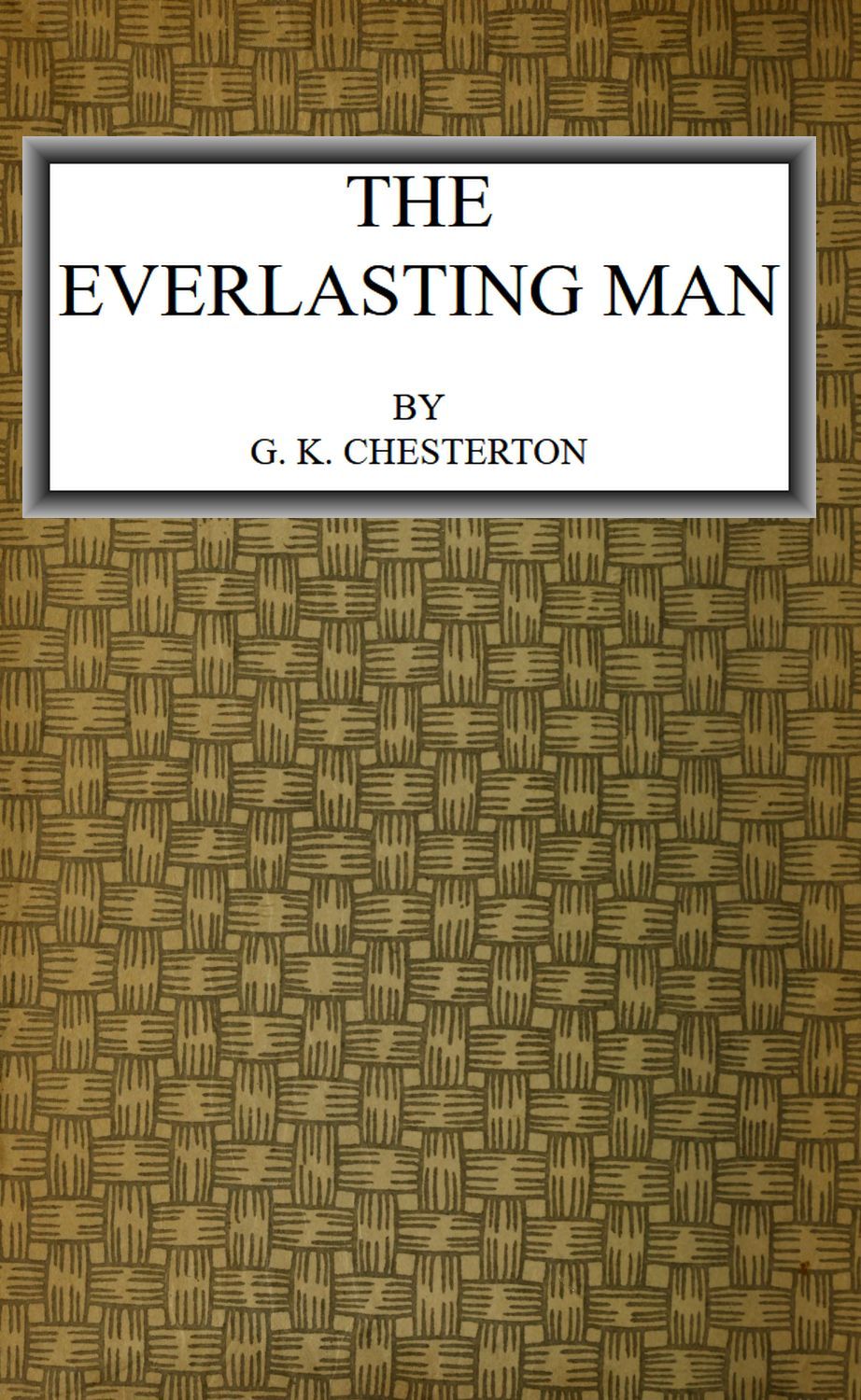
The Everlasting Man
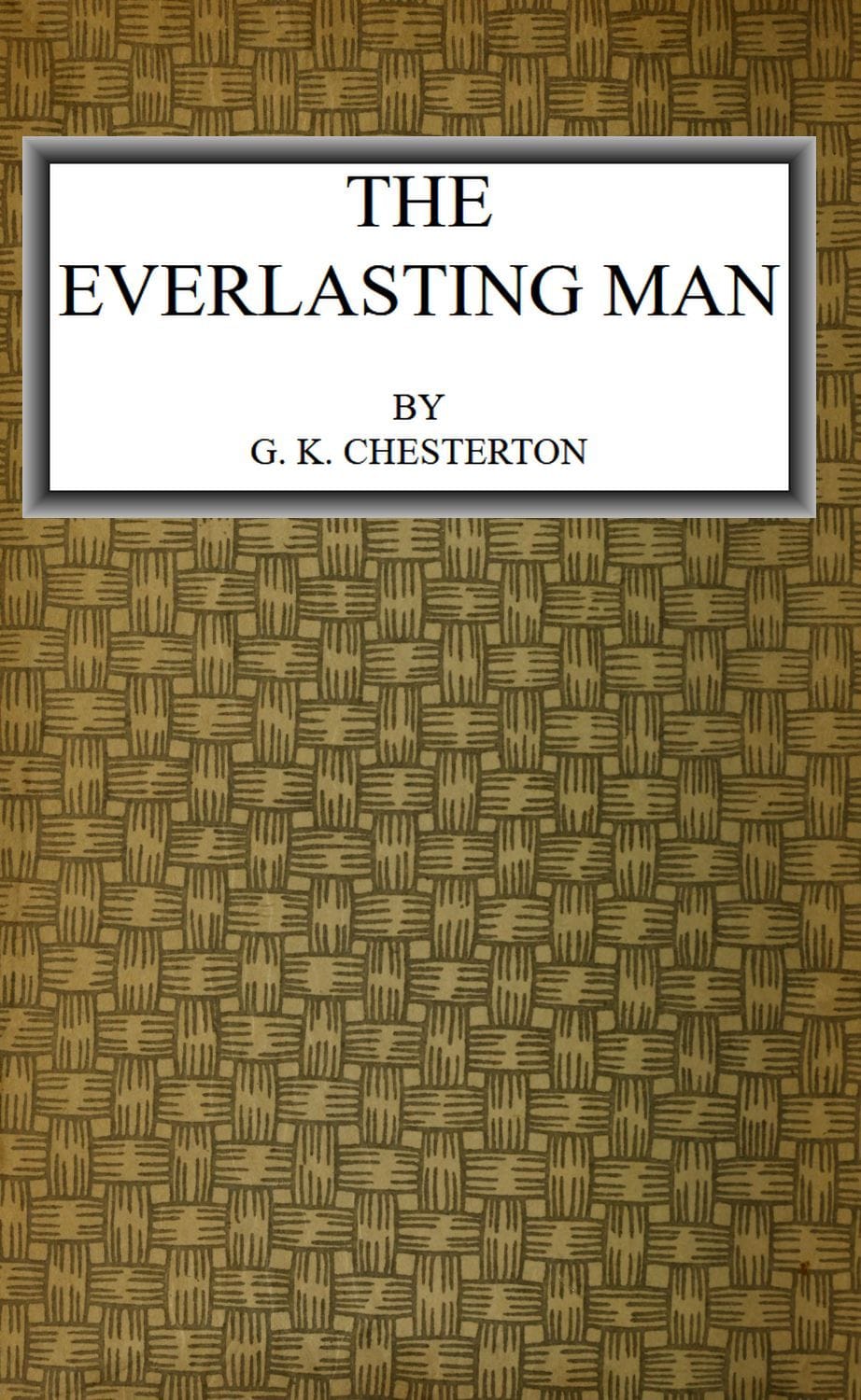
Chesterton's 1925 masterpiece reads less like theology than like a conversation with a brilliant, slightly mad professor who has just overturned your assumptions about everything. Written as a counterpoint to H.G. Wells's evolutionary history, it argues with wit and ferocity that humanity is not merely a cleverer animal but something altogether different - a being made for transcendence. Chesterton traces Western civilization's spiritual journey from paleolithic caves to the Incarnation, revealing at each turn how Christianity doesn't fit the mold of mere religion but stands apart as the hinge of history. The book pulses with the energy of a man who finds the materialist account of existence not just wrong but boring. C.S. Lewis called it the finest popular defense of Christianity he knew, and reading it, you sense why - it's not an argument you refute so much as one that recalibrates how you see. For anyone who's ever suspected that something essential about human nature gets lost in purely evolutionary explanations, this book offers a vision that's daring, counterintuitive, and strangely jubilant.
Editions


X-Ray
“A dead thing can go with the stream, but only a living thing can go against it.”
— G. K. Chesterton
Link to this book
Add a free, dofollow link to Lex on your blog, forum, syllabus, or reading list.

<a href="https://lex-books.com/book/the-everlasting-man-c368635b-55fe-4eb9-8cfd-777dc3135ae5"><img src="https://lex-books.com/badges/read-on-lex.svg" alt="Read The Everlasting Man by G. K. Chesterton free on Lex" width="160" height="40"></a>[](https://lex-books.com/book/the-everlasting-man-c368635b-55fe-4eb9-8cfd-777dc3135ae5)[url=https://lex-books.com/book/the-everlasting-man-c368635b-55fe-4eb9-8cfd-777dc3135ae5][img]https://lex-books.com/badges/read-on-lex.svg[/img][/url]Read The Everlasting Man by G. K. Chesterton free on Lex: https://lex-books.com/book/the-everlasting-man-c368635b-55fe-4eb9-8cfd-777dc3135ae5Cite this book
Reading this edition for a paper or guide? Copy a citation.
Chesterton, G. K.. The Everlasting Man. Lex, lex-books.com/book/the-everlasting-man-c368635b-55fe-4eb9-8cfd-777dc3135ae5.Chesterton, G. K. (n.d.). The Everlasting Man. Lex. https://lex-books.com/book/the-everlasting-man-c368635b-55fe-4eb9-8cfd-777dc3135ae5Chesterton, G. K.. The Everlasting Man. Lex. https://lex-books.com/book/the-everlasting-man-c368635b-55fe-4eb9-8cfd-777dc3135ae5.