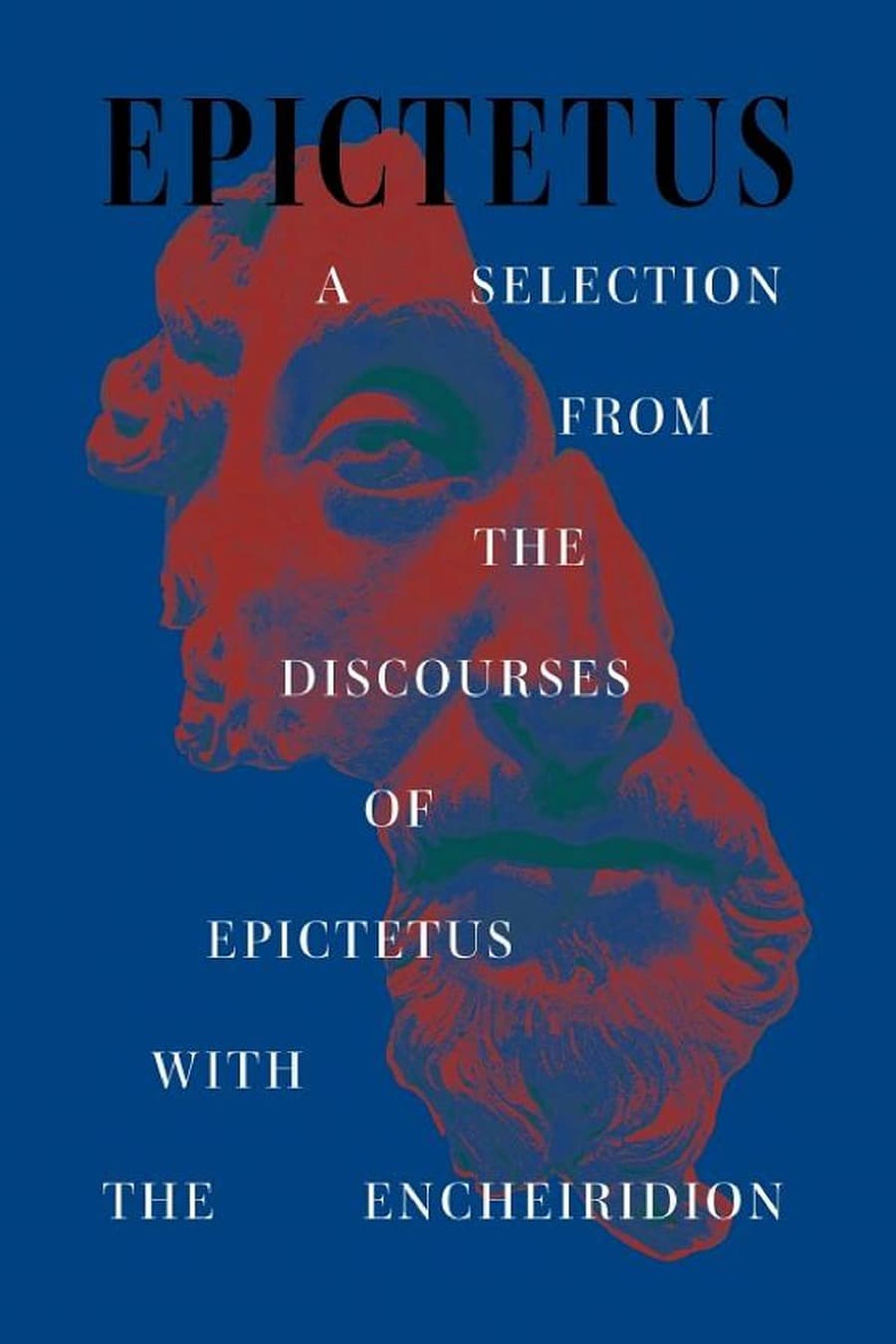
The Enchiridion
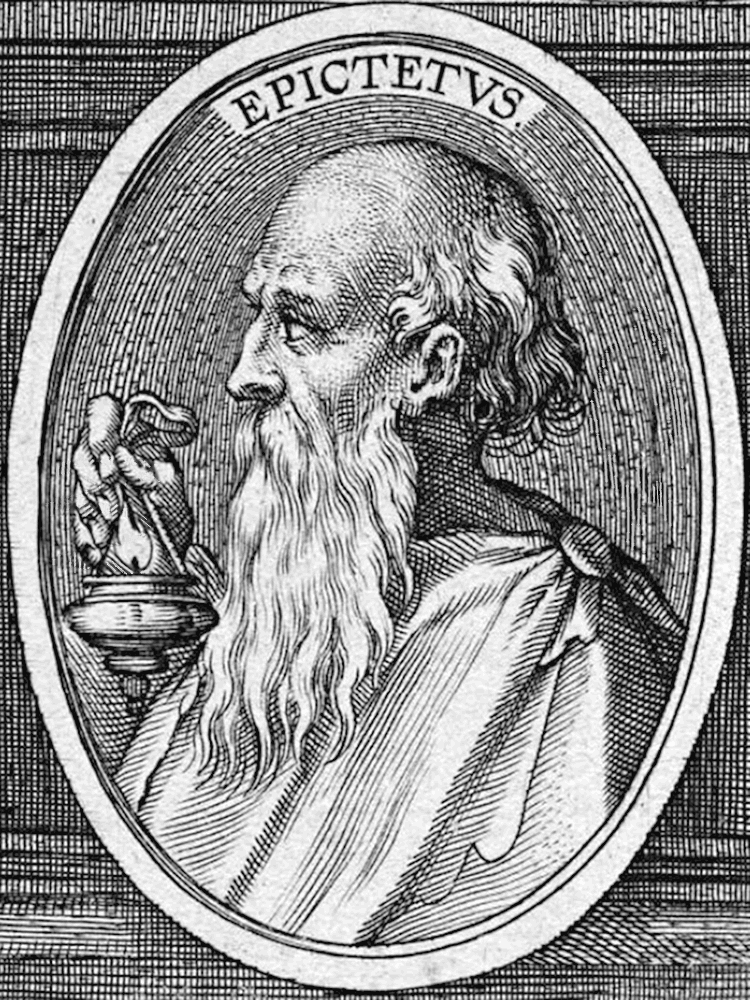
This is not philosophy as abstraction. This is philosophy as surgery. Written by a man who was born into slavery, crippled by his master, and later freed, The Enchiridion distills decades of teaching into ninety-three sharp maxims about how to live. Epictetus offers no comfort in the way the world wants to give it. He offers something better: the recognition that most of what we suffer from is within our own minds. We cannot control what happens to us, but we can control how we respond. This is the Stoic revolution, and it remains as radical today as it was in the first century. Not because the world has changed, but because we have not. Whether you are facing loss, failure, grief, or simply the endless small irritations of daily existence, these pages offer a discipline that has sustained emperors, poets, and ordinary people across two millennia. It is brief. It is demanding. It works.
Editions

X-Ray
“Don't just say you have read books. Show that through them you have learned to think better, to be a more discriminating and reflective person. Books are the training weights of the mind. They are very helpful, but it would be a bad mistake to suppose that one has made progress simply by having internalized their contents.””
— Epictetus
“People are not disturbed by things, but by the views they take of them.””
— Epictetus
“Remember, it is not enough to be hit or insulted to be harmed, you must believe that you are being harmed. If someone succeeds in provoking you, realize that your mind is complicit in the provocation. Which is why it is essential that we not respond impulsively to impressions; take a moment before reacting, and you will find it easier to maintain control.””
— Epictetus
“Now is the time to get serious about living your ideals. How long can you afford to put off who you really want to be? Your nobler self cannot wait any longer. Put your principles into practice – now. Stop the excuses and the procrastination. This is your life! You aren’t a child anymore. The sooner you set yourself to your spiritual program, the happier you will be. The longer you wait, the more you’ll be vulnerable to mediocrity and feel filled with shame and regret, because you know you are capable of better. From this instant on, vow to stop disappointing yourself. Separate yourself from the mob. Decide to be extraordinary and do what you need to do – now.””
— Epictetus
“Most of what passes for legitimate entertainment is inferior or foolish and only caters to or exploits people's weaknesses. Avoid being one of the mob who indulges in such pastimes. Your life is too short and you have important things to do. Be discriminating about what images and ideas you permit into your mind. If you yourself don't choose what thoughts and images you expose yourself to, someone else will, and their motives may not be the highest. It is the easiest thing in the world to slide imperceptibly into vulgarity. But there's no need for that to happen if you determine not to waste your time and attention on mindless pap.””
— Epictetus
“You become what you give your attention to.””
— Epictetus
“Never depend on the admiration of others. There is no strength in it. Personal merit cannot be derived from an external source. It is not to be found in your personal associations, nor can it be found in the regard of other people. It is a fact of life that other people, even people who love you, will not necessarily agree with your ideas, understand you, or share your enthusiasms. Grow up! Who cares what other people think about you!””
— Epictetus
“Men are disturbed not by things, but by the views which they take of things. Thus death is nothing terrible, else it would have appeared so to Socrates. But the terror consists in our notion of death, that it is terrible. When, therefore, we are hindered, or disturbed, or grieved let us never impute it to others, but to ourselves; that is, to our own views. It is the action of an uninstructed person to reproach others for his own misfortunes; of one entering upon instruction, to reproach himself; and of one perfectly instructed, to reproach neither others or himself.””
— Epictetus
“An ignorant person is inclined to blame others for his own misfortune. To blame oneself is proof of progress. But the wise man never has to blame another or himself.””
— Epictetus
Link to this book
Add a free, dofollow link to Lex on your blog, forum, syllabus, or reading list.

<a href="https://lex-books.com/book/the-enchiridion-bfa6a157-c4db-48db-ae0d-8360526db212"><img src="https://lex-books.com/badges/read-on-lex.svg" alt="Read The Enchiridion by Epictetus free on Lex" width="160" height="40"></a>[](https://lex-books.com/book/the-enchiridion-bfa6a157-c4db-48db-ae0d-8360526db212)[url=https://lex-books.com/book/the-enchiridion-bfa6a157-c4db-48db-ae0d-8360526db212][img]https://lex-books.com/badges/read-on-lex.svg[/img][/url]Read The Enchiridion by Epictetus free on Lex: https://lex-books.com/book/the-enchiridion-bfa6a157-c4db-48db-ae0d-8360526db212Cite this book
Reading this edition for a paper or guide? Copy a citation.
Epictetus. The Enchiridion. Lex, lex-books.com/book/the-enchiridion-bfa6a157-c4db-48db-ae0d-8360526db212.Epictetus (n.d.). The Enchiridion. Lex. https://lex-books.com/book/the-enchiridion-bfa6a157-c4db-48db-ae0d-8360526db212Epictetus. The Enchiridion. Lex. https://lex-books.com/book/the-enchiridion-bfa6a157-c4db-48db-ae0d-8360526db212.