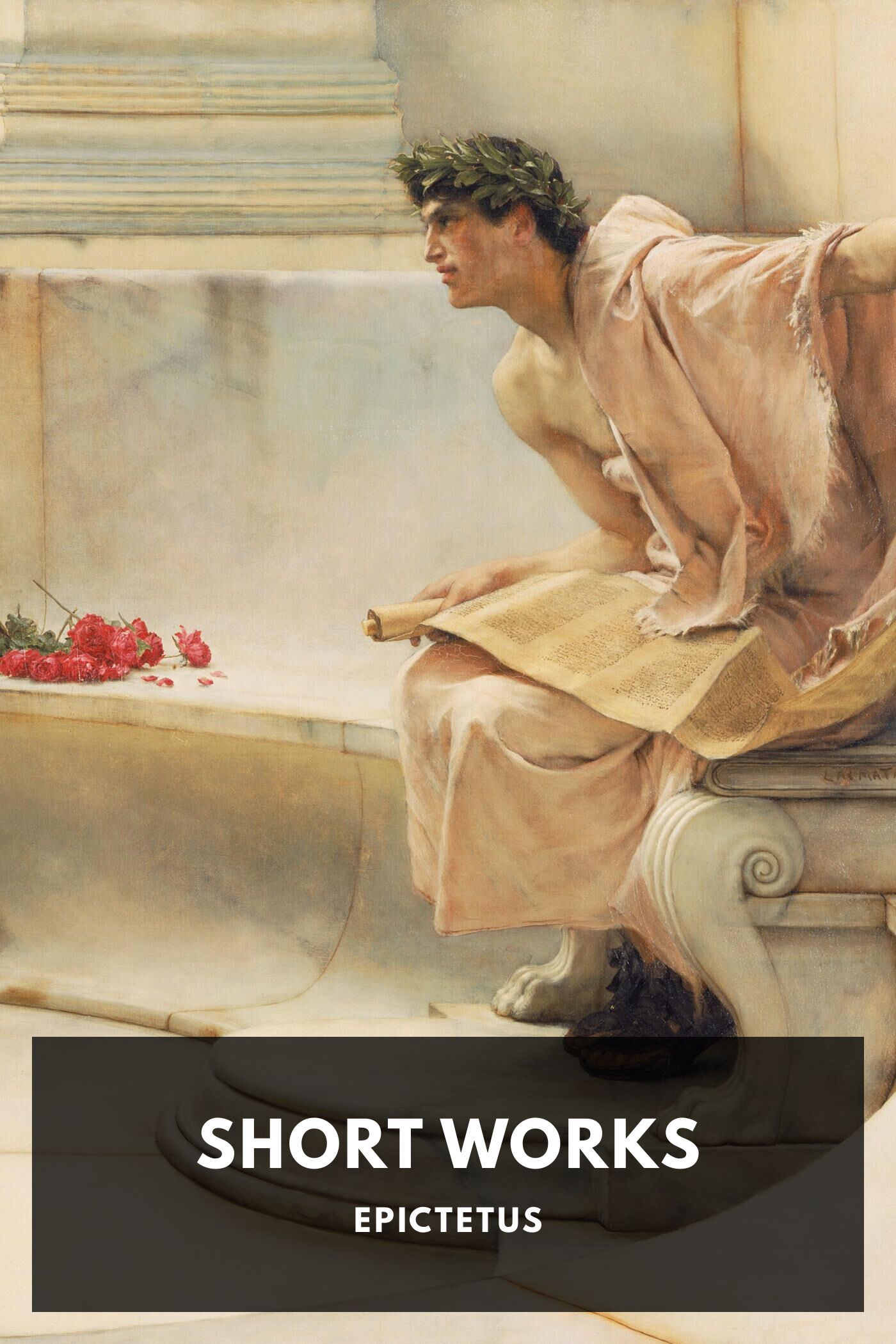
Short Works
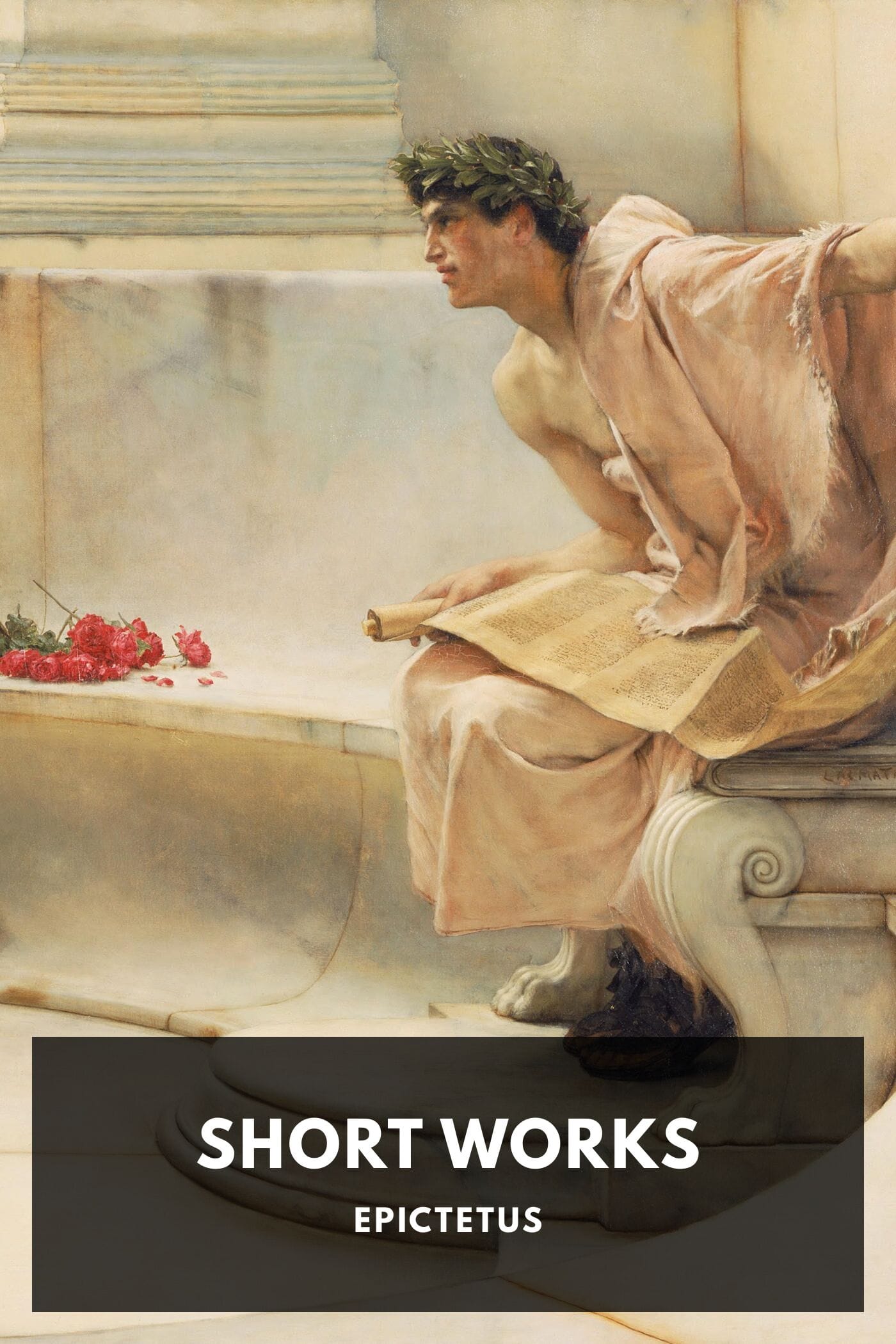
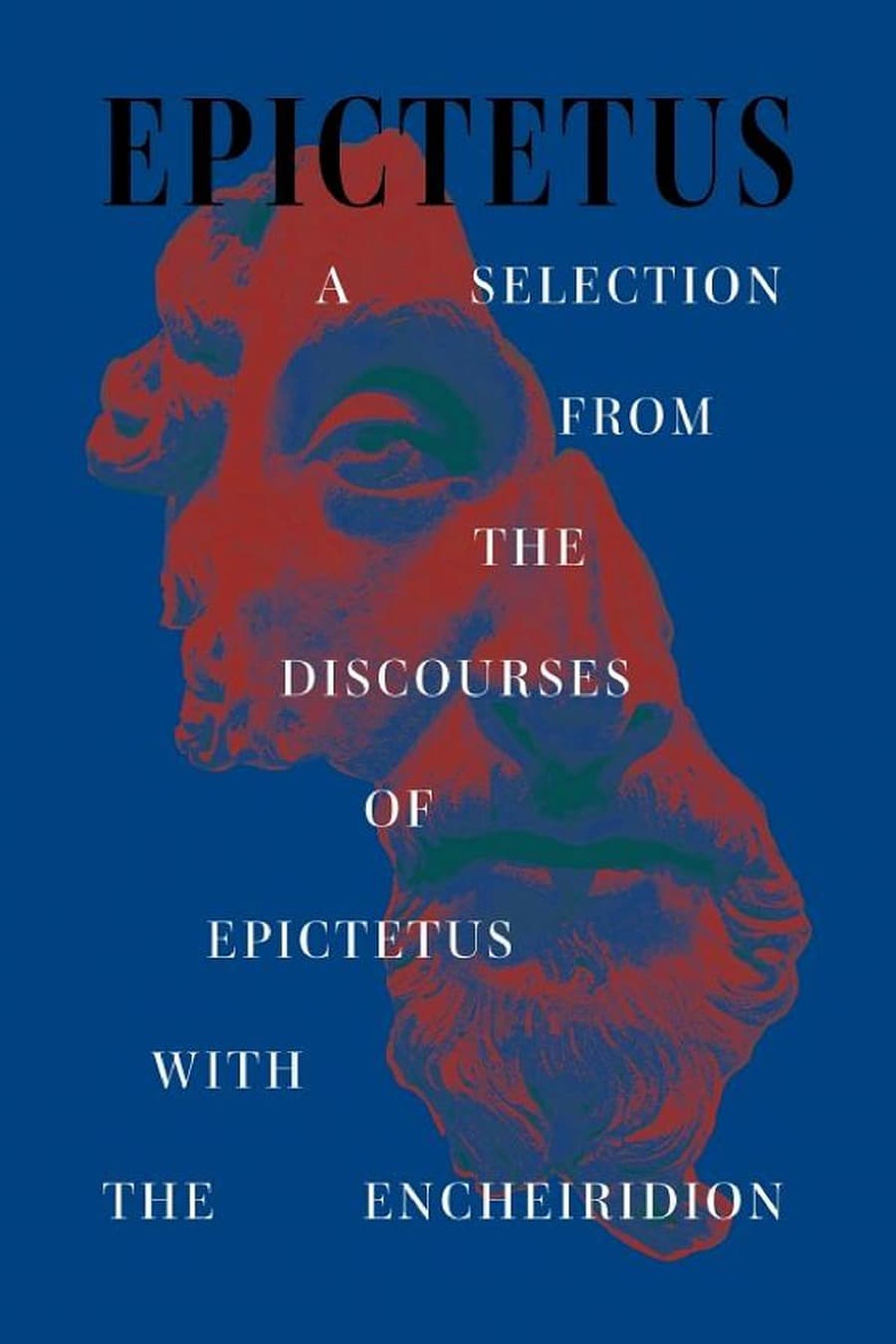
Step into the mind of Epictetus, the formerly enslaved Stoic philosopher whose teachings, primarily compiled in the *Enchiridion* and various fragments, offer a remarkably practical guide to navigating life's inevitable challenges. This collection distills centuries of wisdom into actionable principles, urging readers to discern what lies within their control (their thoughts, desires, aversions) from what does not (external events, other people's opinions). It's a masterclass in cultivating inner tranquility and resilience, regardless of circumstance, by focusing on virtue, reason, and an unshakeable acceptance of fate.
Editions
X-Ray
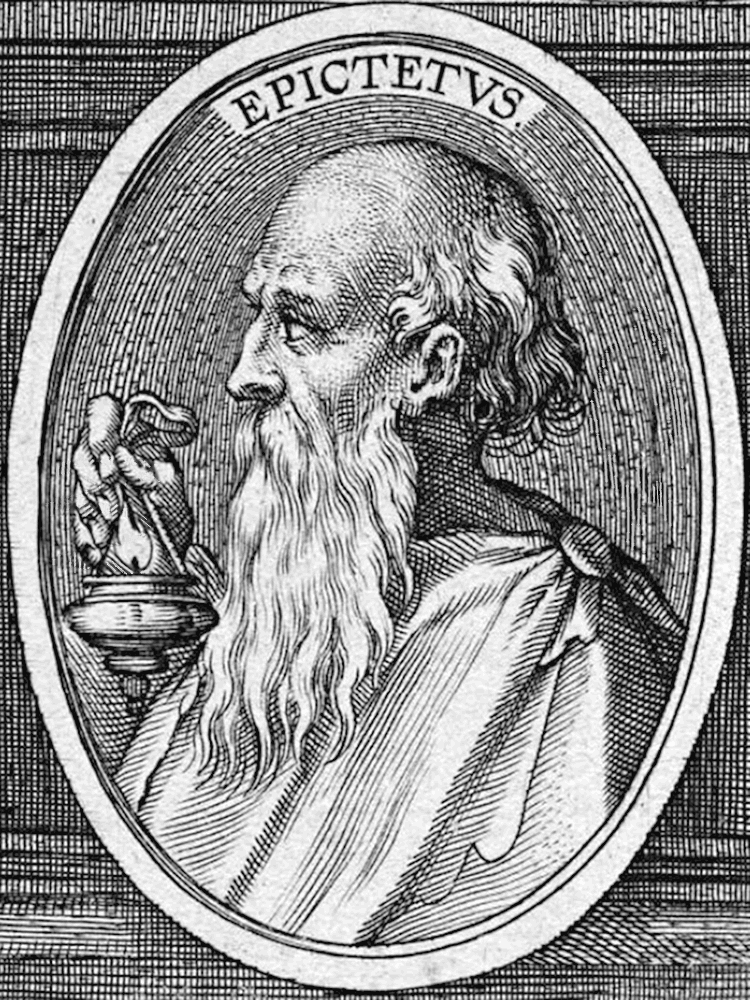
The Stoic philosopher whose teachings form the core of this work. A former slave who became one of the most influential moral teachers of ancient Rome.
Student of Epictetus who compiled and preserved the philosopher's teachings. Mentioned as the editor who organized the Discourses into the Enchiridion.
The classical Greek philosopher frequently cited by Epictetus as an exemplar of wisdom and virtue. Used as a model for proper philosophical conduct.
Earlier Stoic philosopher whose writings Epictetus references. Represents the scholarly tradition of Stoicism.
About Short Works
Chapter Summaries
- Enchiridion I-X
- Establishes the core Stoic teaching about what is and isn't in our power, the nature of desire and aversion, and how to handle appearances and impressions properly.
- Enchiridion XI-XX
- Applies Stoic principles to daily life situations including loss, social interactions, and maintaining proper perspective on external events and other people's actions.
- Enchiridion XXI-XXX
- Addresses how to maintain philosophical principles while engaging with society, including advice on relationships, reputation, and civic duties.
Key Themes
- Dichotomy of Control
- The foundational Stoic principle that some things are within our power (opinions, desires, actions) while others are not (body, property, reputation). This distinction forms the basis for all philosophical wisdom and peace of mind.
- Virtue as the Sole Good
- True good lies only in virtue and right action, while external things like wealth, health, and reputation are indifferent. Happiness comes from living according to nature and reason, not from external circumstances.
- Acceptance of Fate
- Embracing what happens as necessary and working with circumstances rather than against them. The wise person wishes things to be as they are, finding tranquility through acceptance of divine will.
Characters
- Epictetus(protagonist)
- The Stoic philosopher whose teachings form the core of this work. A former slave who became one of the most influential moral teachers of ancient Rome.
- Arrian(major)
- Student of Epictetus who compiled and preserved the philosopher's teachings. Mentioned as the editor who organized the Discourses into the Enchiridion.
- Socrates(major)
- The classical Greek philosopher frequently cited by Epictetus as an exemplar of wisdom and virtue. Used as a model for proper philosophical conduct.
- Chrysippus(minor)
- Earlier Stoic philosopher whose writings Epictetus references. Represents the scholarly tradition of Stoicism.
- Cleanthes(minor)
- Stoic philosopher and pupil of Zeno, author of the hymn quoted at the end of the Enchiridion.
Link to this book
Add a free, dofollow link to Lex on your blog, forum, syllabus, or reading list.

<a href="https://lex-books.com/book/short-works-94beec2c-438f-442f-8007-2b5213a67f43"><img src="https://lex-books.com/badges/read-on-lex.svg" alt="Read Short Works by Epictetus free on Lex" width="160" height="40"></a>[](https://lex-books.com/book/short-works-94beec2c-438f-442f-8007-2b5213a67f43)[url=https://lex-books.com/book/short-works-94beec2c-438f-442f-8007-2b5213a67f43][img]https://lex-books.com/badges/read-on-lex.svg[/img][/url]Read Short Works by Epictetus free on Lex: https://lex-books.com/book/short-works-94beec2c-438f-442f-8007-2b5213a67f43Cite this book
Reading this edition for a paper or guide? Copy a citation.
Epictetus. Short Works. Lex, lex-books.com/book/short-works-94beec2c-438f-442f-8007-2b5213a67f43.Epictetus (n.d.). Short Works. Lex. https://lex-books.com/book/short-works-94beec2c-438f-442f-8007-2b5213a67f43Epictetus. Short Works. Lex. https://lex-books.com/book/short-works-94beec2c-438f-442f-8007-2b5213a67f43.