The Age of Shakespeare
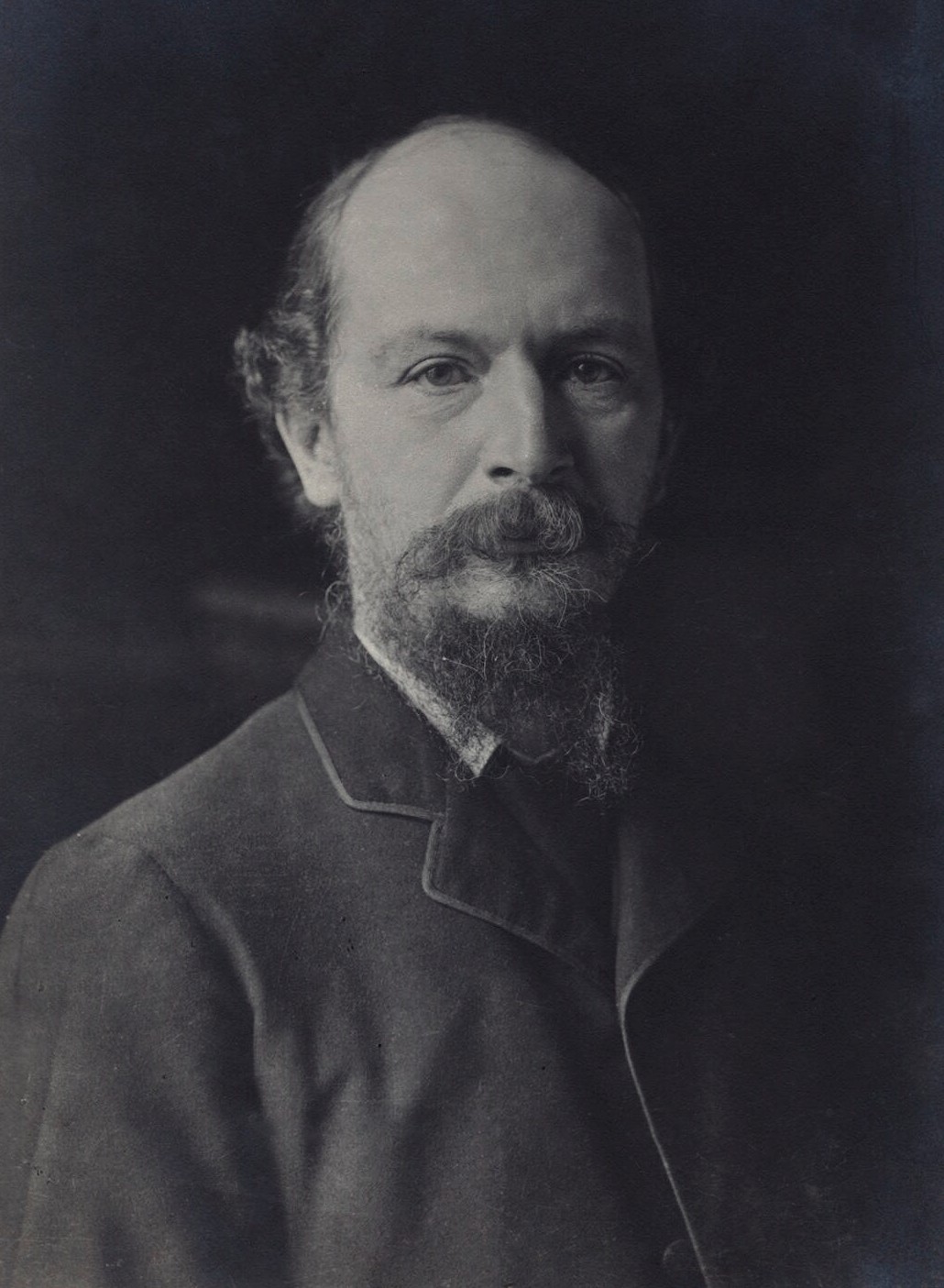
This is literary criticism that rewrites the canon's hierarchy. Swinburne, the Victorian poet who scandalized and dazzled his contemporaries, argues that Shakespeare was not an isolated genius but the greatest flower of an extraordinarily fertile age. The book centers on Christopher Marlowe, whom Swinburne elevates as the true father of English drama, the poet who first harnessed blank verse to the service of tragic passion in works like 'Tamburlaine' and 'Doctor Faustus.' But it also restores to prominence figures like John Webster and Thomas Dekker, whose contributions to the theatrical revolution have been shadowed by Shakespeare's colossal reputation. Swinburne's critical voice crackles with partisan intensity. He writes as a poet-critic, not a distant scholar, and his enthusiasm for Marlowe's 'mighty line' and Webster's 'voluptuous darkness' is contagious. This is less a survey than a passionate reclamation project: an argument that the age of Shakespeare was actually an age of multiple geniuses, each essential, each worthy of sustained attention.
Editions
Link to this book
Add a free, dofollow link to Lex on your blog, forum, syllabus, or reading list.

<a href="https://lex-books.com/book/the-age-of-shakespeare-30c7136e-fa32-4151-8ee5-2da609fca34b"><img src="https://lex-books.com/badges/read-on-lex.svg" alt="Read The Age of Shakespeare by Algernon Charles Swinburne free on Lex" width="160" height="40"></a>[](https://lex-books.com/book/the-age-of-shakespeare-30c7136e-fa32-4151-8ee5-2da609fca34b)[url=https://lex-books.com/book/the-age-of-shakespeare-30c7136e-fa32-4151-8ee5-2da609fca34b][img]https://lex-books.com/badges/read-on-lex.svg[/img][/url]Read The Age of Shakespeare by Algernon Charles Swinburne free on Lex: https://lex-books.com/book/the-age-of-shakespeare-30c7136e-fa32-4151-8ee5-2da609fca34bCite this book
Reading this edition for a paper or guide? Copy a citation.
Swinburne, Algernon Charles. The Age of Shakespeare. Lex, lex-books.com/book/the-age-of-shakespeare-30c7136e-fa32-4151-8ee5-2da609fca34b.Swinburne, A. C. (n.d.). The Age of Shakespeare. Lex. https://lex-books.com/book/the-age-of-shakespeare-30c7136e-fa32-4151-8ee5-2da609fca34bSwinburne, Algernon Charles. The Age of Shakespeare. Lex. https://lex-books.com/book/the-age-of-shakespeare-30c7136e-fa32-4151-8ee5-2da609fca34b.