Atalanta in Calydon
1865
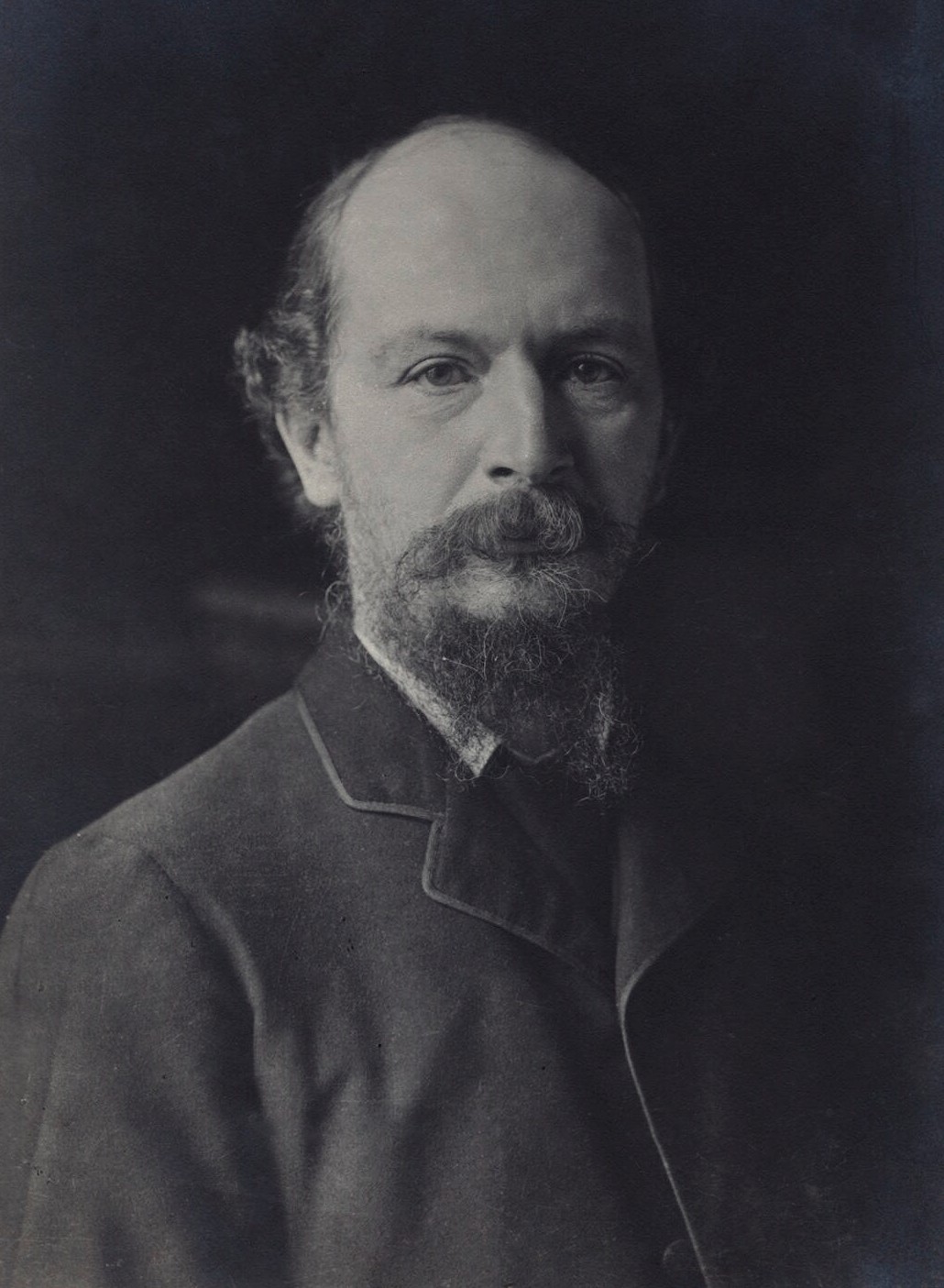
Atalanta in Calydon is a poetic tragedy by Algernon Charles Swinburne, first published in 1865. Set in ancient Calydon, the play revolves around the themes of fate, love, and honor, focusing on the characters Meleager, Althaea, and Atalanta as they confront the dire consequences of vengeance and familial conflict. The narrative begins with Calydon's curse by the goddess Artemis and escalates into a fierce hunt for a destructive boar, leading to tragic outcomes driven by passion and duty. This work showcases Swinburne's metrical prowess and solidified his reputation in Victorian literature.
Editions
X-Ray
“Before the beginning of yearsThere came to the making of manTime, with a gift of tears;Grief, with a glass that ran;Pleasure, with pain for leaven;Summer, with flowers that fell;Remembrance, fallen from heaven,And madness risen from hell;Strength without hands to smite;Love that endures for a breath;Night, the shadow of light,And Life, the shadow of death.””
— Algernon Charles Swinburne
“O all fair lovers about the world,There is none of you, none, that shall comfort me. My thoughts are as dead things, wrecked and whirledRound and round in a gulf of the sea;And still, through the sound and the straining stream,Through the coil and chafe, they gleam in a dream,The bright fine lips so cruelly curled, And strange swift eyes where the soul sits free.””
— Algernon Charles Swinburne
“Before The Beginning Of Years"Before the beginning of yearsThere came to the making of manTime, with a gift of tears;Grief, with a glass that ran;Pleasure, with pain for leaven;Summer, with flowers that fell;Remembrance, fallen from heaven,And madness risen from hell;Strength without hands to smite;Love that endures for a breath;Night, the shadow of light,And life, the shadow of death.And the high gods took in handFire, and the falling of tears,And a measure of sliding sandFrom under the feet of the years;And froth and the drift of the sea;And dust of the laboring earth;And bodies of things to beIn the houses of death and of birth;And wrought with weeping and laughter,And fashioned with loathing and love,With life before and afterAnd death beneath and above,For a day and a night and a morrow,That his strength might endure for a spanWith travail and heavy sorrow,The holy spirit of man.From the winds of the north and the south,They gathered as unto strife;They breathed upon his mouth,They filled his body with life;Eyesight and speech they wroughtFor the veils of the soul therein,A time for labor and thought,A time to serve and to sin;They gave him light in his ways,And love, and space for delight,And beauty, and length of days,And night, and sleep in the night.His speech is a burning fire;With his lips he travaileth;In his heart is a blind desire,In his eyes foreknowledge of death;He weaves, and is clothed with derision;Sows, and he shall not reap;His life is a watch or a visionBetween a sleep and a sleep.””
— Algernon Charles Swinburne
“I wish we were dead together to-day, Lost sight of, hidden away out of sight, Clasped and clothed in the cloven clay,Out of the world's way, out of the light, Out of the ages of worldly weather, Forgotten of all men altogether,As the world's first dead, taken wholly away,Made one with death, filled full of the night.””
— Algernon Charles Swinburne
“For the worst is this after all; if they knew me, not a soul upon earth would pity me.””
— Algernon Charles Swinburne
“In a land of sand and ruin and goldThere shone one woman, and none but she””
— Algernon Charles Swinburne
Link to this book
Add a free, dofollow link to Lex on your blog, forum, syllabus, or reading list.

<a href="https://lex-books.com/book/atalanta-in-calydon-cc0e8a5a-e6dc-4484-bfc5-3d5e03eff1b2"><img src="https://lex-books.com/badges/read-on-lex.svg" alt="Read Atalanta in Calydon by Algernon Charles Swinburne free on Lex" width="160" height="40"></a>[](https://lex-books.com/book/atalanta-in-calydon-cc0e8a5a-e6dc-4484-bfc5-3d5e03eff1b2)[url=https://lex-books.com/book/atalanta-in-calydon-cc0e8a5a-e6dc-4484-bfc5-3d5e03eff1b2][img]https://lex-books.com/badges/read-on-lex.svg[/img][/url]Read Atalanta in Calydon by Algernon Charles Swinburne free on Lex: https://lex-books.com/book/atalanta-in-calydon-cc0e8a5a-e6dc-4484-bfc5-3d5e03eff1b2Cite this book
Reading this edition for a paper or guide? Copy a citation.
Swinburne, Algernon Charles. Atalanta in Calydon. Lex, lex-books.com/book/atalanta-in-calydon-cc0e8a5a-e6dc-4484-bfc5-3d5e03eff1b2.Swinburne, A. C. (1865). Atalanta in Calydon. Lex. https://lex-books.com/book/atalanta-in-calydon-cc0e8a5a-e6dc-4484-bfc5-3d5e03eff1b2Swinburne, Algernon Charles. Atalanta in Calydon. Lex. https://lex-books.com/book/atalanta-in-calydon-cc0e8a5a-e6dc-4484-bfc5-3d5e03eff1b2.