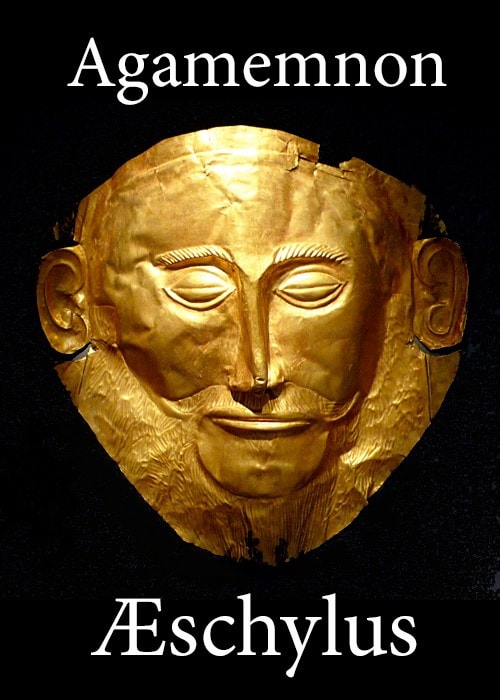
The Agamemnon of Aeschylus: Translated into English Rhyming Verse with Explanatory Notes
1910
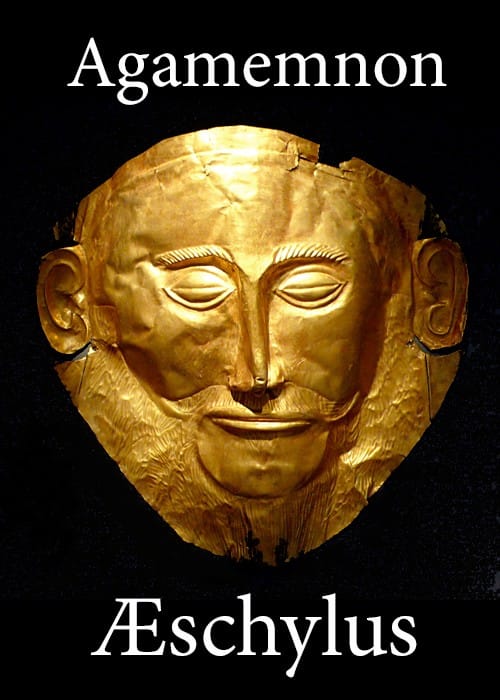
The Agamemnon of Aeschylus: Translated into English Rhyming Verse with Explanatory Notes
1910
Translated by Gilbert Murray
The Agamemnon is the opening salvo of the only surviving Greek tragic trilogy, and it remains one of the most terrifying achievements in Western literature. Aeschylus drops us into a world drenched in blood and old sins, where the King of Argos returns from a decade of war to find his palace seething with vengeance. Clytemnestra has waited, and she has not waited quietly. She has nursed her rage since the day Agamemnon sacrificed their daughter Iphigenia for favorable winds to Troy. Now the accounts come due. The watchman on the roof watches for beacons that will announce the king's ships. Cassandra, the conquered prophetess, carries her own unbearable knowledge of what awaits behind those doors. What unfolds is a masterpiece of dread, where every word carries the weight of prophecy and every silence hums with impending violence. The play does not merely tell a story of murder; it anatomizes the terrible logic of revenge, how justice begats justice in an endless cascade of blood. This is Greek tragedy at its most primal, the ancient world looking into the abyss of what humans do to each other and why.
Editions

X-Ray
“Nothing forces us to knowWhat we do not want to knowExcept pain””
— Aeschylus
“There is advantage in the wisdom won from pain.””
— Aeschylus
“Oh, the torment bred in the race, the grinding scream of deathand the stroke that hits the vein,the hemorrhage none can staunch, the grief,the curse no man can bear.But there is a cure in the house, and not outside it, no,not from others but from them,their bloody strife. We sing to you,dark gods beneath the earth.Now hear, you blissful powers underground --answer the call, send help.Bless the children, give them triumph now.””
— Aeschylus
“This was always going to happen.She's been dead since the beginning.””
— Aeschylus
“ATHENA: You wish to be called righteous rather than act right. [...] I say, wrong must not win by technicalities.””
— Aeschylus
“Do I not live? Badly, I know, but I live.””
— Aeschylus
“Thus he died, and all the life struggled out of him;and as he died he spattered me with the dark redand violent driven rain of bitter-savored bloodto make me glad, as gardens stand among the showersof God in glory at the birthtime of the buds.””
— Aeschylus
“They came backTo widows,To fatherless children,To screams, to sobbing.The men came backAs little clay jarsFull of sharp cinders.””
— Aeschylus
“Pour everything out for the blood you have shed, you're wasting your time in appeasing the dead.””
— Aeschylus
Link to this book
Add a free, dofollow link to Lex on your blog, forum, syllabus, or reading list.

<a href="https://lex-books.com/book/the-agamemnon-of-aeschylus-translated-into-english-rhyming-verse-with-explanator-cccdc42a-7958-4d6d-ba31-63073f51b770"><img src="https://lex-books.com/badges/read-on-lex.svg" alt="Read The Agamemnon of Aeschylus: Translated into English Rhyming Verse with Explanatory Notes by Aeschylus free on Lex" width="160" height="40"></a>[](https://lex-books.com/book/the-agamemnon-of-aeschylus-translated-into-english-rhyming-verse-with-explanator-cccdc42a-7958-4d6d-ba31-63073f51b770)[url=https://lex-books.com/book/the-agamemnon-of-aeschylus-translated-into-english-rhyming-verse-with-explanator-cccdc42a-7958-4d6d-ba31-63073f51b770][img]https://lex-books.com/badges/read-on-lex.svg[/img][/url]Read The Agamemnon of Aeschylus: Translated into English Rhyming Verse with Explanatory Notes by Aeschylus free on Lex: https://lex-books.com/book/the-agamemnon-of-aeschylus-translated-into-english-rhyming-verse-with-explanator-cccdc42a-7958-4d6d-ba31-63073f51b770Cite this book
Reading this edition for a paper or guide? Copy a citation.
Aeschylus. The Agamemnon of Aeschylus: Translated into English Rhyming Verse with Explanatory Notes. Lex, lex-books.com/book/the-agamemnon-of-aeschylus-translated-into-english-rhyming-verse-with-explanator-cccdc42a-7958-4d6d-ba31-63073f51b770.Aeschylus (1910). The Agamemnon of Aeschylus: Translated into English Rhyming Verse with Explanatory Notes. Lex. https://lex-books.com/book/the-agamemnon-of-aeschylus-translated-into-english-rhyming-verse-with-explanator-cccdc42a-7958-4d6d-ba31-63073f51b770Aeschylus. The Agamemnon of Aeschylus: Translated into English Rhyming Verse with Explanatory Notes. Lex. https://lex-books.com/book/the-agamemnon-of-aeschylus-translated-into-english-rhyming-verse-with-explanator-cccdc42a-7958-4d6d-ba31-63073f51b770.