Shakespeare's Sonnets
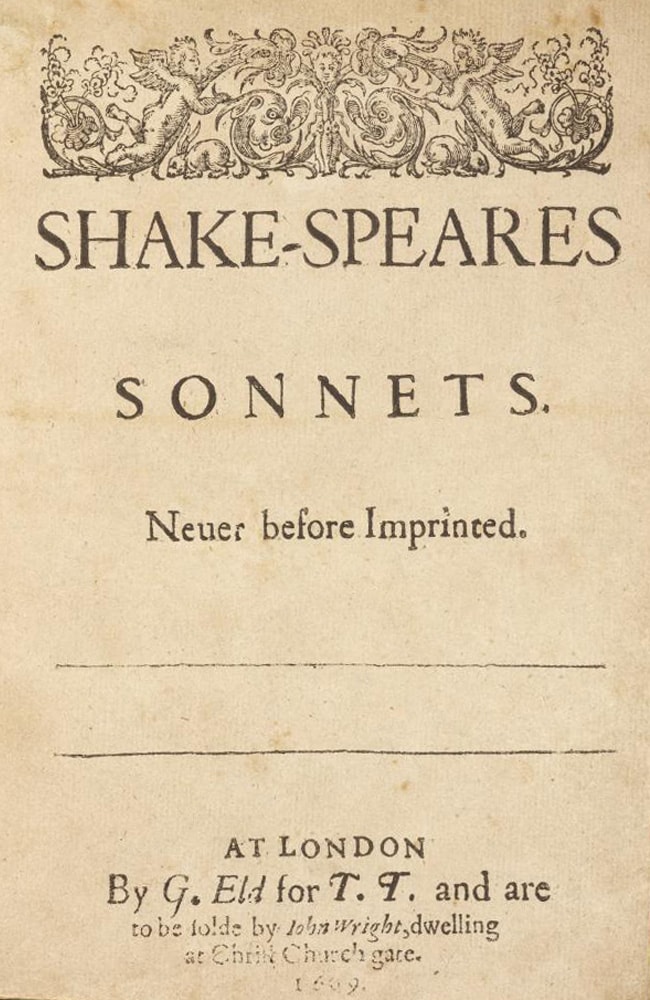
1609
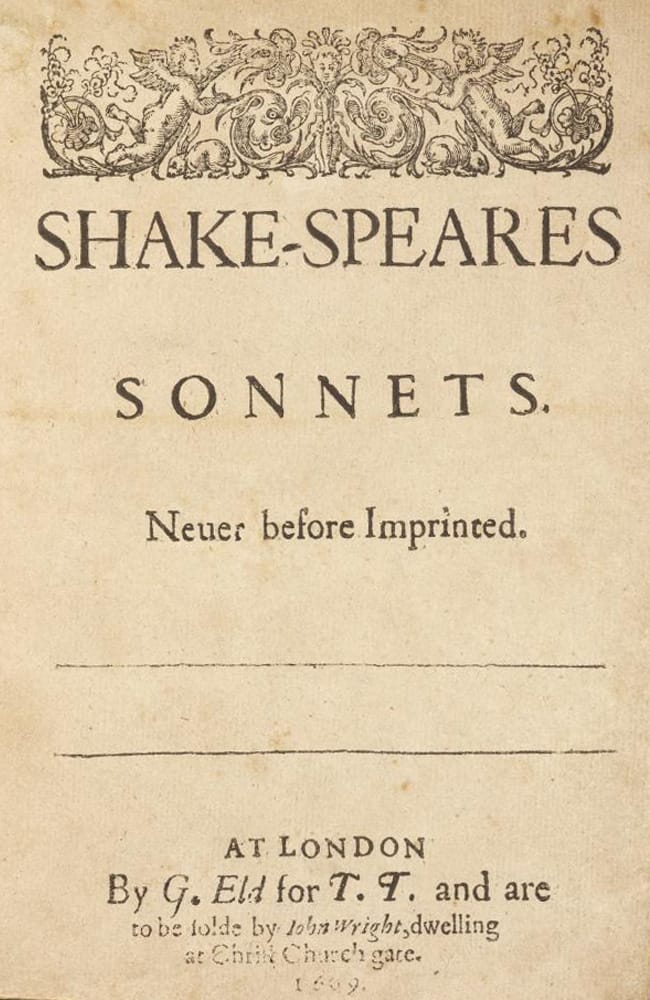
Fourteen lines. That is the container Shakespeare uses to hold the entire weight of desire, jealousy, time, and beauty. Written in the final decade of Queen Elizabeth's reign, these 154 poems cracked open the English language and revealed what it was truly capable of. The sonnets divide into two great sequences. The first addresses a young man of breathtaking beauty, urging him to reproduce so that his face might outlive death. The speaker alternates between worship and despair, sometimes claiming the young man's eyes have "killed" him, sometimes begging him to wed. The second sequence centers on a "dark lady" whose charms the speaker cannot resist even as he knows she is unfaithful. Here, jealousy and lust replace idealized reverence. What emerges is a raw, contradictory portrait of love: not the sanitized romance of later centuries, but something fiercer and more honest. Certain lines have become so embedded in our consciousness:"Shall I compare thee to a summer's day?" "Let me not to the marriage of true minds / Admit impediments":that we forget they were once revolutionary, written by a living, desperate man trying to capture something that kept slipping away.
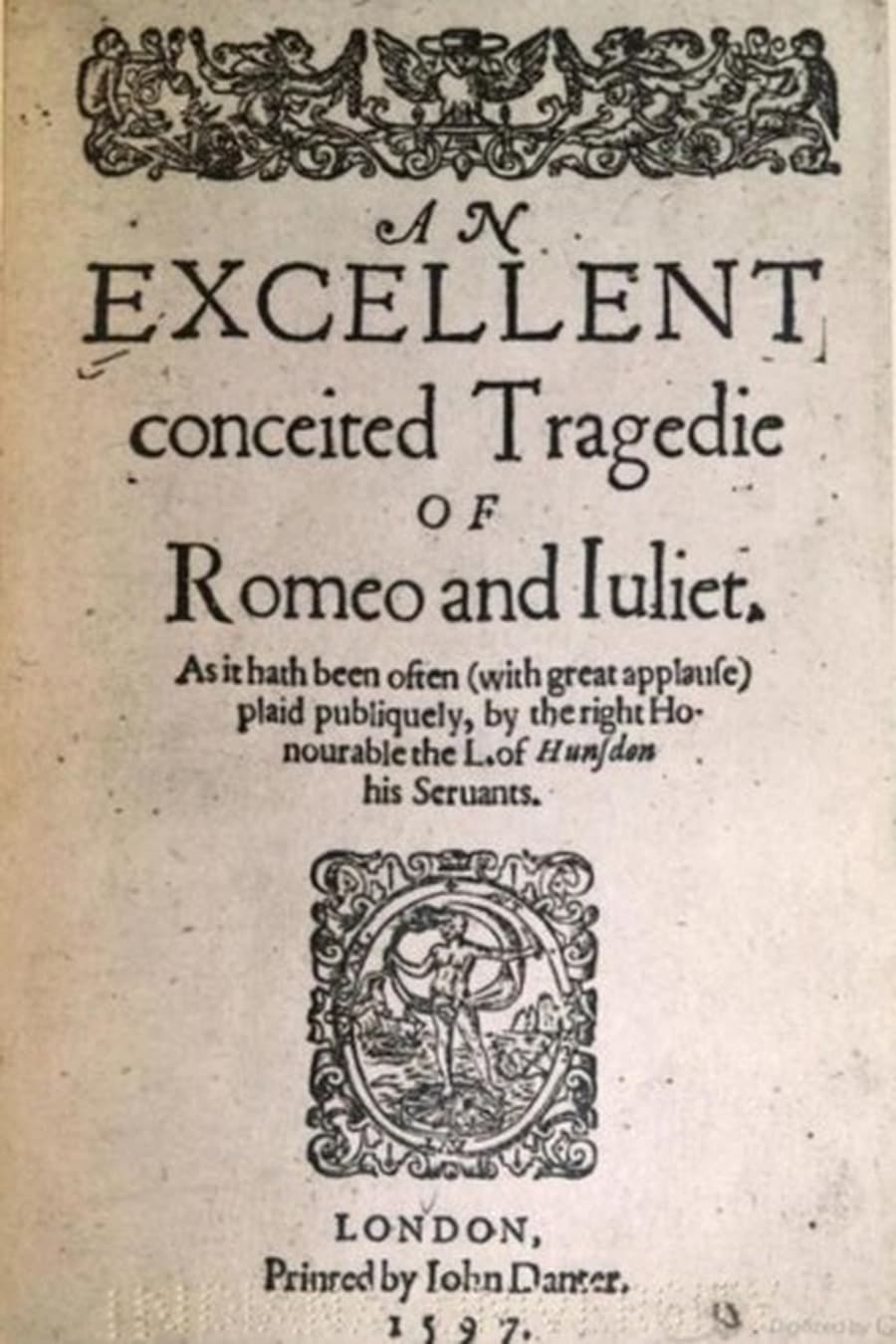
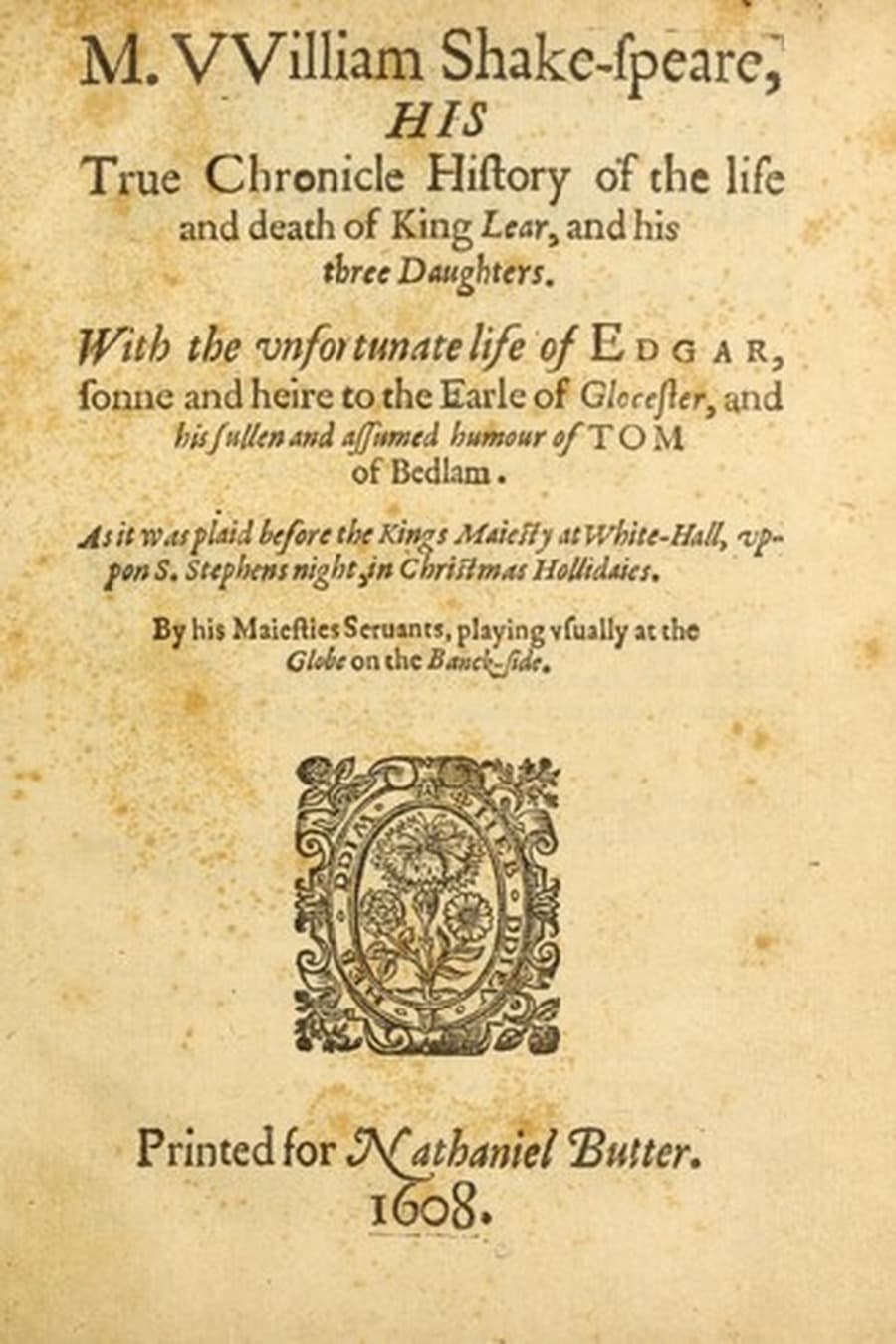
Editions
X-Ray
“Shall I compare thee to a summer's day? Thou art more lovely and more temperate: Rough winds do shake the darling buds of May, And summer's lease hath all too short a date: Sometimes too hot the eye of heaven shines, And too often is his gold complexion dimm'd: And every fair from fair sometimes declines, By chance or natures changing course untrimm'd; By thy eternal summer shall not fade, Nor lose possession of that fair thou owest; Nor shall Death brag thou wander'st in his shade, When in eternal lines to time thou growest: So long as men can breathe or eyes can see, So long lives this and this gives life to thee.””
— William Shakespeare
“Love is not love which alters it when alteration finds, or bends with the remover to remove: O no! It is an ever fixed mark that looks on tempests and is never shaken; it is the star to every wandering bark whose worth's unknown, although his height be taken. Love's not Time's fool, though rosy lips and cheeks within his bending sickle's compass come: Love alters not with his brief hours and weeks, but bears it out, even to the edge of doom.””
— William Shakespeare
“My mistress' eyes are nothing like the sun;Coral is far more red than her lips' red;If snow be white, why then her breasts are dun;If hairs be wires, black wires grow on her head.I have seen roses damask'd, red and white,But no such roses see I in her cheeks;And in some perfumes is there more delightThan in the breath that from my mistress reeks.I love to hear her speak, yet well I knowThat music hath a far more pleasing sound;I grant I never saw a goddess go;My mistress, when she walks, treads on the ground: And yet, by heaven, I think my love as rare As any she belied with false compare.””
— William Shakespeare
“in black ink my love may still shine bright.””
— William Shakespeare
“For sweetest things turn sourest by their deeds; Lillies that fester smell far worse than weeds.””
— William Shakespeare
“April hath put a spirit of youth in everything. (Sonnet XCVIII)””
— William Shakespeare
“For I have sworn thee fair, and thought thee bright,Who art as black as hell, as dark as night.””
— William Shakespeare
“When, in disgrace with fortune and men's eyes,I all alone beweep my outcast state And trouble deaf heaven with my bootless criesAnd look upon myself and curse my fate, Wishing me like to one more rich in hope, Featured like him, like him with friends possess'd,Desiring this man's art and that man's scope, With what I most enjoy contented least; Yet in these thoughts myself almost despising,Haply I think on thee, and then my state, Like to the lark at break of day arising From sullen earth, sings hymns at heaven's gate;For thy sweet love remember'd such wealth bringsThat then I scorn to change my state with kings. a””
— William Shakespeare
“Summer's lease hath all too short a date.””
— William Shakespeare
Link to this book
Add a free, dofollow link to Lex on your blog, forum, syllabus, or reading list.

<a href="https://lex-books.com/book/shakespeare-s-sonnets-292c7e96-43d0-47af-9501-f12b315b1a11"><img src="https://lex-books.com/badges/read-on-lex.svg" alt="Read Shakespeare's Sonnets by William Shakespeare free on Lex" width="160" height="40"></a>[](https://lex-books.com/book/shakespeare-s-sonnets-292c7e96-43d0-47af-9501-f12b315b1a11)[url=https://lex-books.com/book/shakespeare-s-sonnets-292c7e96-43d0-47af-9501-f12b315b1a11][img]https://lex-books.com/badges/read-on-lex.svg[/img][/url]Read Shakespeare's Sonnets by William Shakespeare free on Lex: https://lex-books.com/book/shakespeare-s-sonnets-292c7e96-43d0-47af-9501-f12b315b1a11Cite this book
Reading this edition for a paper or guide? Copy a citation.
Shakespeare, William. Shakespeare's Sonnets. Lex, lex-books.com/book/shakespeare-s-sonnets-292c7e96-43d0-47af-9501-f12b315b1a11.Shakespeare, W. (1609). Shakespeare's Sonnets. Lex. https://lex-books.com/book/shakespeare-s-sonnets-292c7e96-43d0-47af-9501-f12b315b1a11Shakespeare, William. Shakespeare's Sonnets. Lex. https://lex-books.com/book/shakespeare-s-sonnets-292c7e96-43d0-47af-9501-f12b315b1a11.