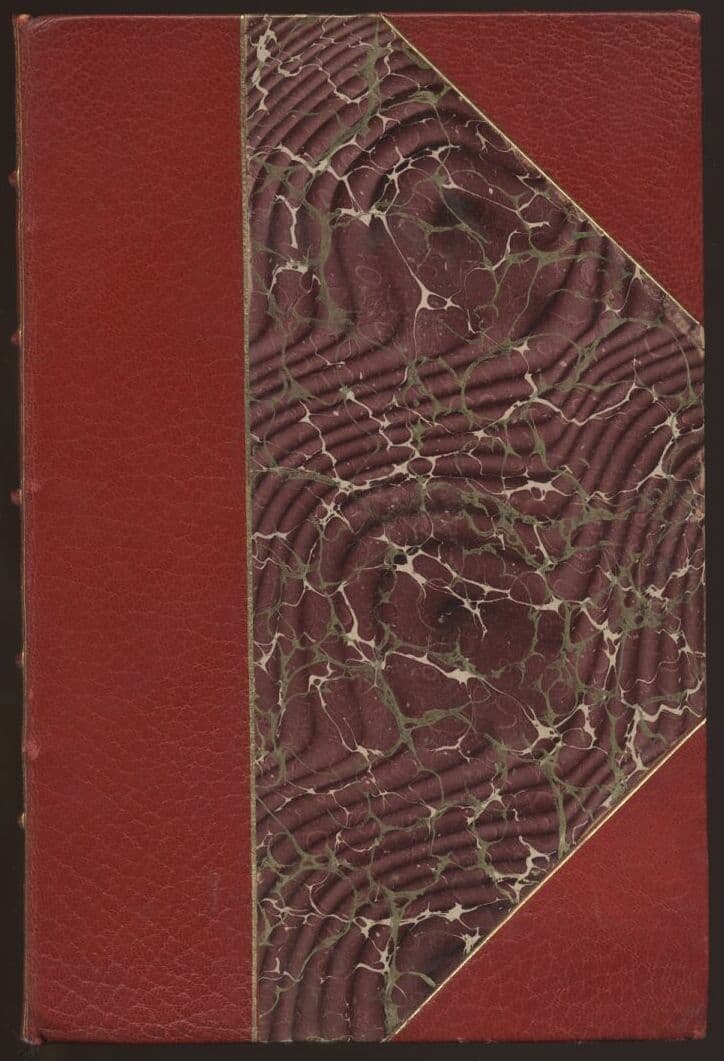
Othello
1604
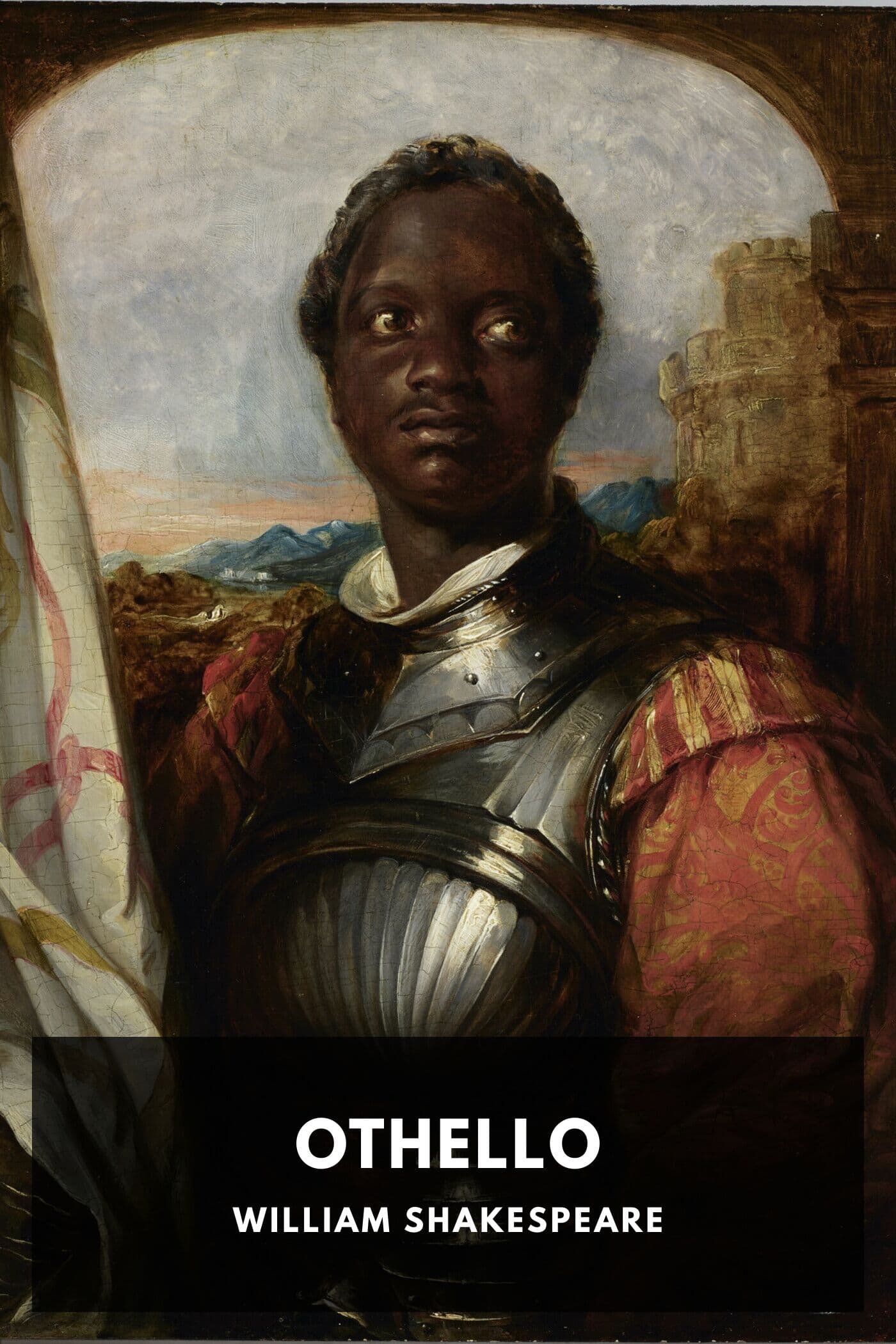
In the sun-drenched world of Venice, a Black general and a white senator's daughter have dared to love across every boundary of race, age, and culture. Othello and Desdemona's elopement seems to prove that love can conquer anything. It cannot. For lurking in the shadows is Iago, Othello's ensign, whose face wears the mask of loyalty but whose mind houses something far darker. With surgical precision, Iago plants seeds of suspicion in Othello's mind, transforming a man known for nobility into a creature consumed by jealousy. What unfolds is one of literature's most devastating portraits of how love, trust, and reason can be systematically destroyed by a few whispered words. The play's power lies in watching Othello's transformation from a generous, trusting warrior into someone capable of unspeakable violence, all while the audience watches the truth remain just out of reach. Four centuries later, Iago remains Shakespeare most unsettling creation: a villain whose motivations are never fully explained, whose evil seems to spring from some unfathomable void. Othello asks us to confront an uncomfortable question: how easily could we be made to destroy what we love most?
Editions

X-Ray
“O, beware, my lord, of jealousy;It is the green-ey'd monster, which doth mockThe meat it feeds on. That cuckold lives in bliss,Who, certain of his fate, loves not his wronger:But O, what damnèd minutes tells he o'erWho dotes, yet doubts, suspects, yet strongly loves!””
— William Shakespeare
“For she had eyes and chose me.””
— William Shakespeare
“Men in rage strike those that wish them best.””
— William Shakespeare
“The robb'd that smiles, steals something from the thief; He robs himself that spends a bootless grief.””
— William Shakespeare
“Reputation is an idle and most false imposition, oft got without merit and lost without deserving. You have lost no reputation at all unless you repute yourself such a loser.””
— William Shakespeare
“Good name in man and woman, dear my lord,Is the immediate jewel of their souls:Who steals my purse steals trash; ’tis something, nothing;’twas mine, ’tis his, and has been slave to thousands;But he that filches from me my good nameRobs me of that which not enriches him, And makes me poor indeed.””
— William Shakespeare
“But I will wear my heart upon my sleeveFor daws to peck at: I am not what I am.””
— William Shakespeare
“I would not put a thief in my mouth to steal my brains.””
— William Shakespeare
“She loved me for the dangers I had passed, And I loved her that she did pity them. This only is the witchcraft I have used.””
— William Shakespeare
Link to this book
Add a free, dofollow link to Lex on your blog, forum, syllabus, or reading list.

<a href="https://lex-books.com/book/othello-6281cf36-7aa1-4526-bcbd-53ba0abfff0f"><img src="https://lex-books.com/badges/read-on-lex.svg" alt="Read Othello by William Shakespeare free on Lex" width="160" height="40"></a>[](https://lex-books.com/book/othello-6281cf36-7aa1-4526-bcbd-53ba0abfff0f)[url=https://lex-books.com/book/othello-6281cf36-7aa1-4526-bcbd-53ba0abfff0f][img]https://lex-books.com/badges/read-on-lex.svg[/img][/url]Read Othello by William Shakespeare free on Lex: https://lex-books.com/book/othello-6281cf36-7aa1-4526-bcbd-53ba0abfff0fCite this book
Reading this edition for a paper or guide? Copy a citation.
Shakespeare, William. Othello. Lex, lex-books.com/book/othello-6281cf36-7aa1-4526-bcbd-53ba0abfff0f.Shakespeare, W. (1604). Othello. Lex. https://lex-books.com/book/othello-6281cf36-7aa1-4526-bcbd-53ba0abfff0fShakespeare, William. Othello. Lex. https://lex-books.com/book/othello-6281cf36-7aa1-4526-bcbd-53ba0abfff0f.