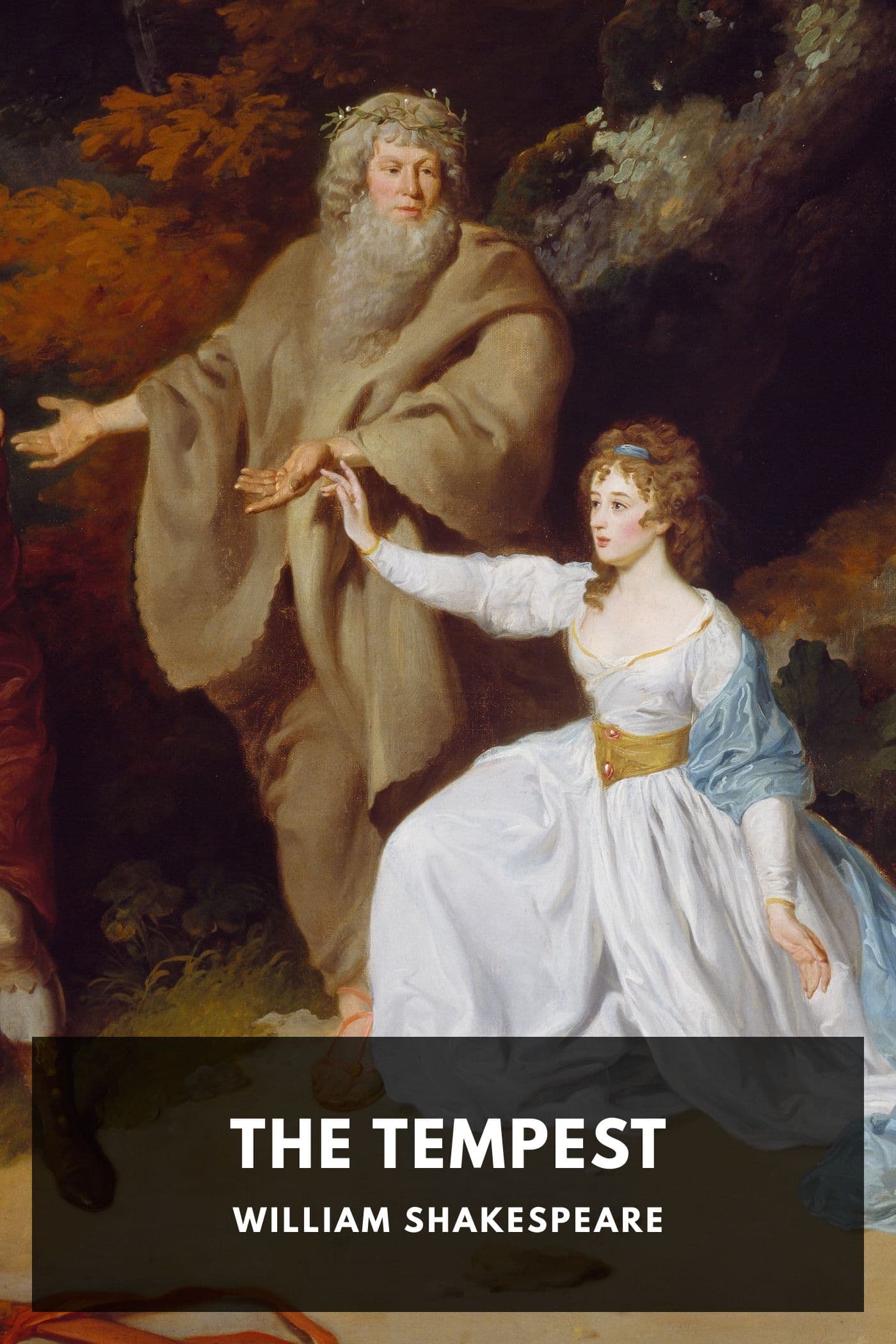
Much Ado About Nothing
Much Ado About Nothing
Two weddings are planned in the sun-drenched Sicilian town of Messina, but only one of them will go smoothly. Claudio and Hero are the conventional lovers, young and sincere, their courtship blessed by the prince Don Pedro. The other couple Beatrice and Benedick share something far more dangerous: intellects sharp enough to wound, and a pride that masks a desperate longing for each other. When Don Pedro's bitter brother Don John orchestrates a scheme to destroy Hero's honor, the play pivots from sparkling comedy to genuine menace, and the question becomes not whether love will prevail, but whether innocence can survive the violence of false accusation. Shakespeare's masterpiece lies in its double helix structure: the respectable plot of Claudio and Hero serves as dark mirror to the theatrical courtship of Beatrice and Benedick. While the young lovers are nearly destroyed by gossip, the witty pair are liberated by it, tricked into acknowledging their love through overheard conversations. The title puns on "noting" (the Elizabethan word for gossip and observation), suggesting that what we observe and repeat shapes reality itself. Four centuries later, the play crackles with contemporary relevance: the virality of rumor, the performance of identity, and the question of whether we can truly know those we love.
Editions

X-Ray
“Sigh no more, ladies, sigh no more. Men were deceivers ever, One foot in sea, and one on shore, To one thing constant never. Then sigh not so, but let them go, And be you blithe and bonny, Converting all your sounds of woe Into hey nonny, nonny. Sing no more ditties, sing no more Of dumps so dull and heavy. The fraud of men was ever so Since summer first was leafy. Then sigh not so, but let them go, And be you blithe and bonny, Converting all your sounds of woe Into hey, nonny, nonny.””
— William Shakespeare
“I can see he's not in your good books,' said the messenger.'No, and if he were I would burn my library.””
— William Shakespeare
“I had rather hear my dog bark at a crow, than a man swear he loves me.””
— William Shakespeare
“Let me be that I am and seek not to alter me.””
— William Shakespeare
“I do love nothing in the world so well as you- is not that strange?””
— William Shakespeare
“Some Cupid kills with arrows, some with traps.””
— William Shakespeare
“For which of my bad parts didst thou first fall in love with me?””
— William Shakespeare
“I love you with so much of my heart that none is left to protest.””
— William Shakespeare
“He that hath a beard is more than a youth, and he that hath no beard is less than a man. He that is more than a youth is not for me, and he that is less than a man, I am not for him.””
— William Shakespeare
Link to this book
Add a free, dofollow link to Lex on your blog, forum, syllabus, or reading list.

<a href="https://lex-books.com/book/much-ado-about-nothing-343d1d48-2518-4d5f-8001-0ba629778cb6"><img src="https://lex-books.com/badges/read-on-lex.svg" alt="Read Much Ado About Nothing by William Shakespeare free on Lex" width="160" height="40"></a>[](https://lex-books.com/book/much-ado-about-nothing-343d1d48-2518-4d5f-8001-0ba629778cb6)[url=https://lex-books.com/book/much-ado-about-nothing-343d1d48-2518-4d5f-8001-0ba629778cb6][img]https://lex-books.com/badges/read-on-lex.svg[/img][/url]Read Much Ado About Nothing by William Shakespeare free on Lex: https://lex-books.com/book/much-ado-about-nothing-343d1d48-2518-4d5f-8001-0ba629778cb6Cite this book
Reading this edition for a paper or guide? Copy a citation.
Shakespeare, William. Much Ado About Nothing. Lex, lex-books.com/book/much-ado-about-nothing-343d1d48-2518-4d5f-8001-0ba629778cb6.Shakespeare, W. (n.d.). Much Ado About Nothing. Lex. https://lex-books.com/book/much-ado-about-nothing-343d1d48-2518-4d5f-8001-0ba629778cb6Shakespeare, William. Much Ado About Nothing. Lex. https://lex-books.com/book/much-ado-about-nothing-343d1d48-2518-4d5f-8001-0ba629778cb6.