Moral Principles in Education
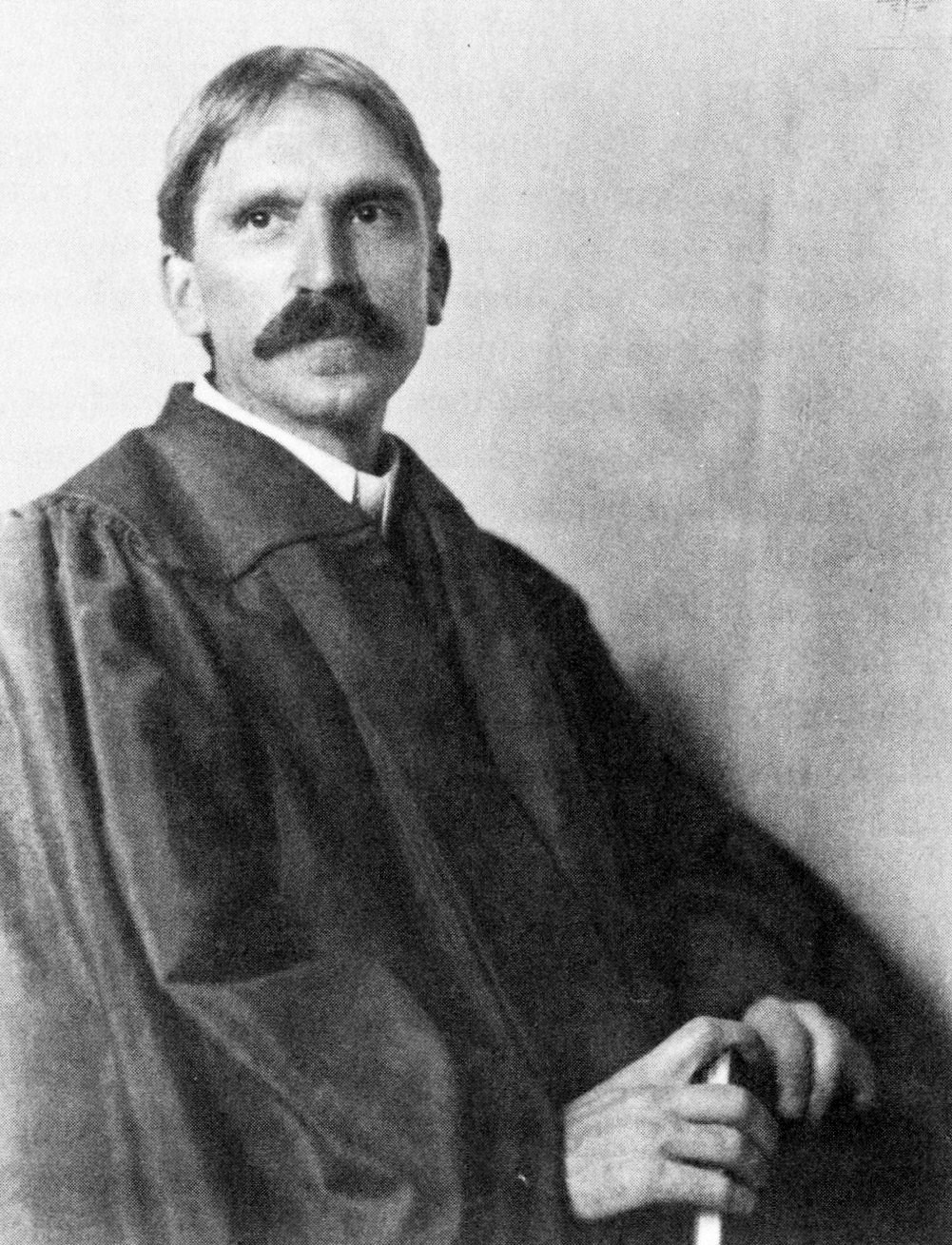
John Dewey believed that education was never neutral. Every school, every curriculum, every method of teaching carries moral weight whether we acknowledge it or not. In this concise but profound work, originally delivered as lectures at the University of Boston in 1909, Dewey argues that separating moral instruction from the rest of education is not just ineffective but fundamentally dishonest. Schools, he contends, are not preparation for life, they are life itself, and the way children learn to treat one another, solve problems, and understand their place in society matters as much as any curriculum content. Dewey rejects the idea that virtue can be taught through textbooks or isolated moral training sessions. Instead, he demonstrates how the school community itself becomes a laboratory for democratic life. Through collaborative work, honest assessment, and genuine social engagement, students develop not just knowledge but character. His central insight remains vital today: education shapes moral imagination, and how we learn matters as much as what we learn. This book is for anyone who has ever wondered what schools are really for, teachers questioning their practice, parents evaluating educational philosophy, or readers interested in the intellectual foundations of progressive education.
Editions
X-Ray
“The only way to prepare for social life is to engage in social life. To form habits of social usefulness and serviceableness apart from any direct social need and motive, apart from any existing social situation, is, to the letter, teaching the child to swim by going through motions outside of the water.””
— John Dewey
“New inventions, new machines, new methods of transportation and intercourse are making over the whole scene of action year by year. It is an absolute impossibility to educate the child for any fixed station in life.””
— John Dewey
Link to this book
Add a free, dofollow link to Lex on your blog, forum, syllabus, or reading list.

<a href="https://lex-books.com/book/moral-principles-in-education-4dcc42da-95b8-41fa-8293-6a33005fbdb3"><img src="https://lex-books.com/badges/read-on-lex.svg" alt="Read Moral Principles in Education by John Dewey free on Lex" width="160" height="40"></a>[](https://lex-books.com/book/moral-principles-in-education-4dcc42da-95b8-41fa-8293-6a33005fbdb3)[url=https://lex-books.com/book/moral-principles-in-education-4dcc42da-95b8-41fa-8293-6a33005fbdb3][img]https://lex-books.com/badges/read-on-lex.svg[/img][/url]Read Moral Principles in Education by John Dewey free on Lex: https://lex-books.com/book/moral-principles-in-education-4dcc42da-95b8-41fa-8293-6a33005fbdb3Cite this book
Reading this edition for a paper or guide? Copy a citation.
Dewey, John. Moral Principles in Education. Lex, lex-books.com/book/moral-principles-in-education-4dcc42da-95b8-41fa-8293-6a33005fbdb3.Dewey, J. (n.d.). Moral Principles in Education. Lex. https://lex-books.com/book/moral-principles-in-education-4dcc42da-95b8-41fa-8293-6a33005fbdb3Dewey, John. Moral Principles in Education. Lex. https://lex-books.com/book/moral-principles-in-education-4dcc42da-95b8-41fa-8293-6a33005fbdb3.