Le Roi Lear
1904
Le Roi Lear
1904
Translated by François Guizot
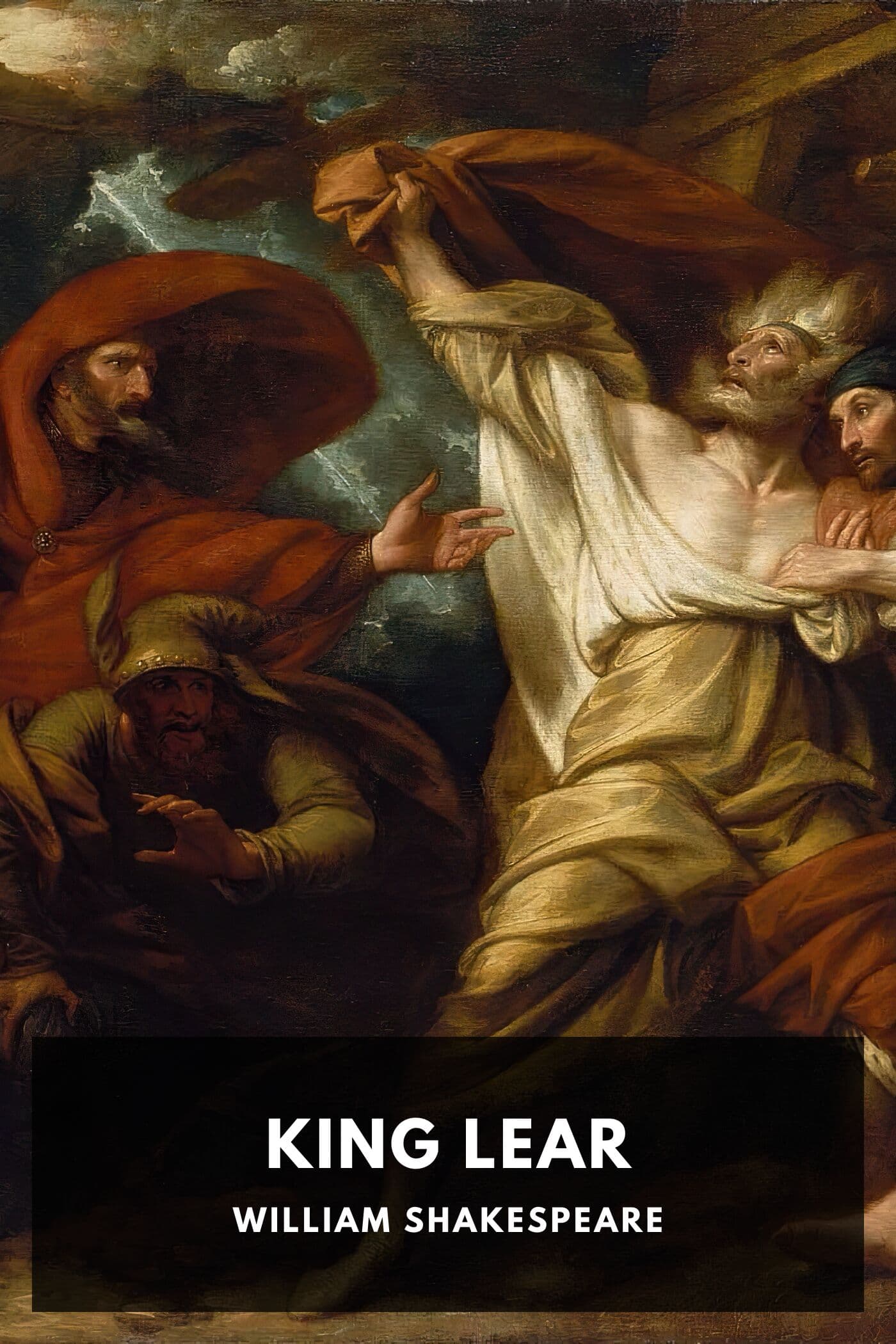
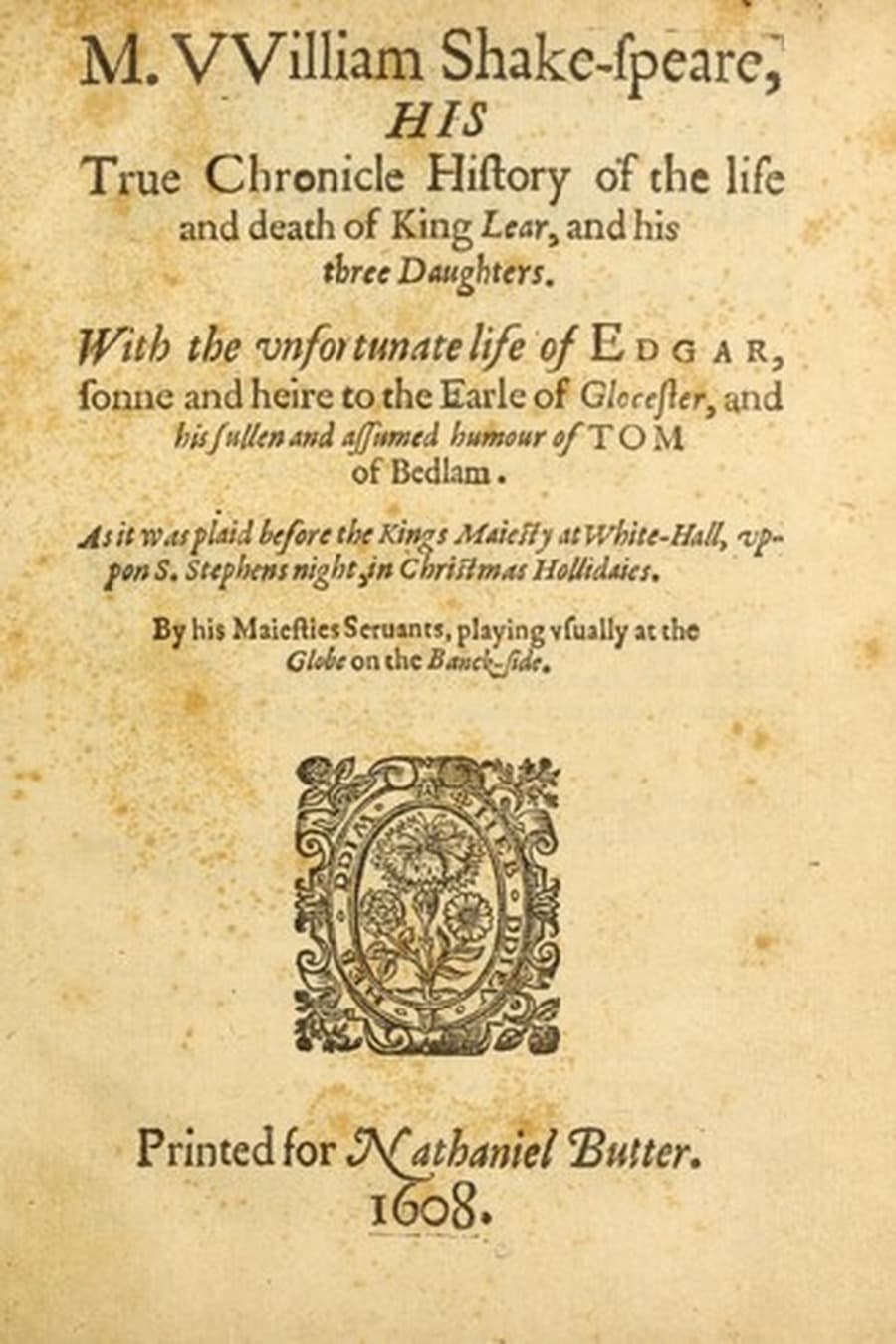
One of the most devastating tragedies in the English language. An aging king, desperate to be loved, demands his three daughters publicly declare their devotion. The two eldest offer extravagant flattery and are rewarded with half the kingdom each. Cordelia, the youngest and only one who truly loves him, speaks honestly: she loves him as a daughter should, no more, no less. Furious at her modesty, Lear banishes her in a rage and hands everything to her deceitful sisters. What follows is a brutal unraveling. Lear descends into madness on a storm-swept heath, stripped of power and dignity, while his daughters turn brutal and war erupts. The play remains unbearably relevant: a portrait of pride destroying itself, of truth punished and flattery rewarded, of old age stripped of illusions. Shakespeare gives us no easy comfort, no redemptive ending. Just the wreckage of a family and a king who cannot see reality until it's too late.
Editions
X-Ray
“When we are born, we cry that we are come to this great stage of fools.””
— William Shakespeare
“Nothing will come of nothing: speak again.””
— William Shakespeare
“As flies to wanton boys are we to the gods.They kill us for their sport.””
— William Shakespeare
“This is the excellent foppery of the world, that when we are sick in fortune (often the surfeits of our own behavior) we make guilty of our disasters the sun, the moon, and stars, as if we were villains on necessity; fools by heavenly compulsion; knaves, thieves, and treachers by spherical predominance; drunkards, liars, and adulterers by an enforced obedience of planetary influence; and all that we are evil in, by a divine thrusting on. An admirable evasion of whoremaster man, to lay his goatish disposition on the charge of a star! My father compounded with my mother under the Dragon's tail, and my nativity was under Ursa Major, so that it follows I am rough and lecherous. I should have been that I am, had the maidenliest star in the firmament twinkled on my bastardizing.””
— William Shakespeare
“Many a true word hath been spoken in jest.””
— William Shakespeare
“The prince of darkness is a gentleman!””
— William Shakespeare
“Who is it that can tell me who I am?””
— William Shakespeare
“The weight of this sad time we must obey,Speak what we feel, not what we ought to say.The oldest hath borne most: we that are youngShall never see so much, nor live so long.””
— William Shakespeare
“Thou shouldst not have been old till thou hadst been wise.””
— William Shakespeare
Link to this book
Add a free, dofollow link to Lex on your blog, forum, syllabus, or reading list.

<a href="https://lex-books.com/book/le-roi-lear-4924f576-fa39-4bed-be77-76396c38af37"><img src="https://lex-books.com/badges/read-on-lex.svg" alt="Read Le Roi Lear by William Shakespeare free on Lex" width="160" height="40"></a>[](https://lex-books.com/book/le-roi-lear-4924f576-fa39-4bed-be77-76396c38af37)[url=https://lex-books.com/book/le-roi-lear-4924f576-fa39-4bed-be77-76396c38af37][img]https://lex-books.com/badges/read-on-lex.svg[/img][/url]Read Le Roi Lear by William Shakespeare free on Lex: https://lex-books.com/book/le-roi-lear-4924f576-fa39-4bed-be77-76396c38af37Cite this book
Reading this edition for a paper or guide? Copy a citation.
Shakespeare, William. Le Roi Lear. Lex, lex-books.com/book/le-roi-lear-4924f576-fa39-4bed-be77-76396c38af37.Shakespeare, W. (1904). Le Roi Lear. Lex. https://lex-books.com/book/le-roi-lear-4924f576-fa39-4bed-be77-76396c38af37Shakespeare, William. Le Roi Lear. Lex. https://lex-books.com/book/le-roi-lear-4924f576-fa39-4bed-be77-76396c38af37.