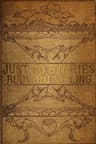
Just so Stories
1902
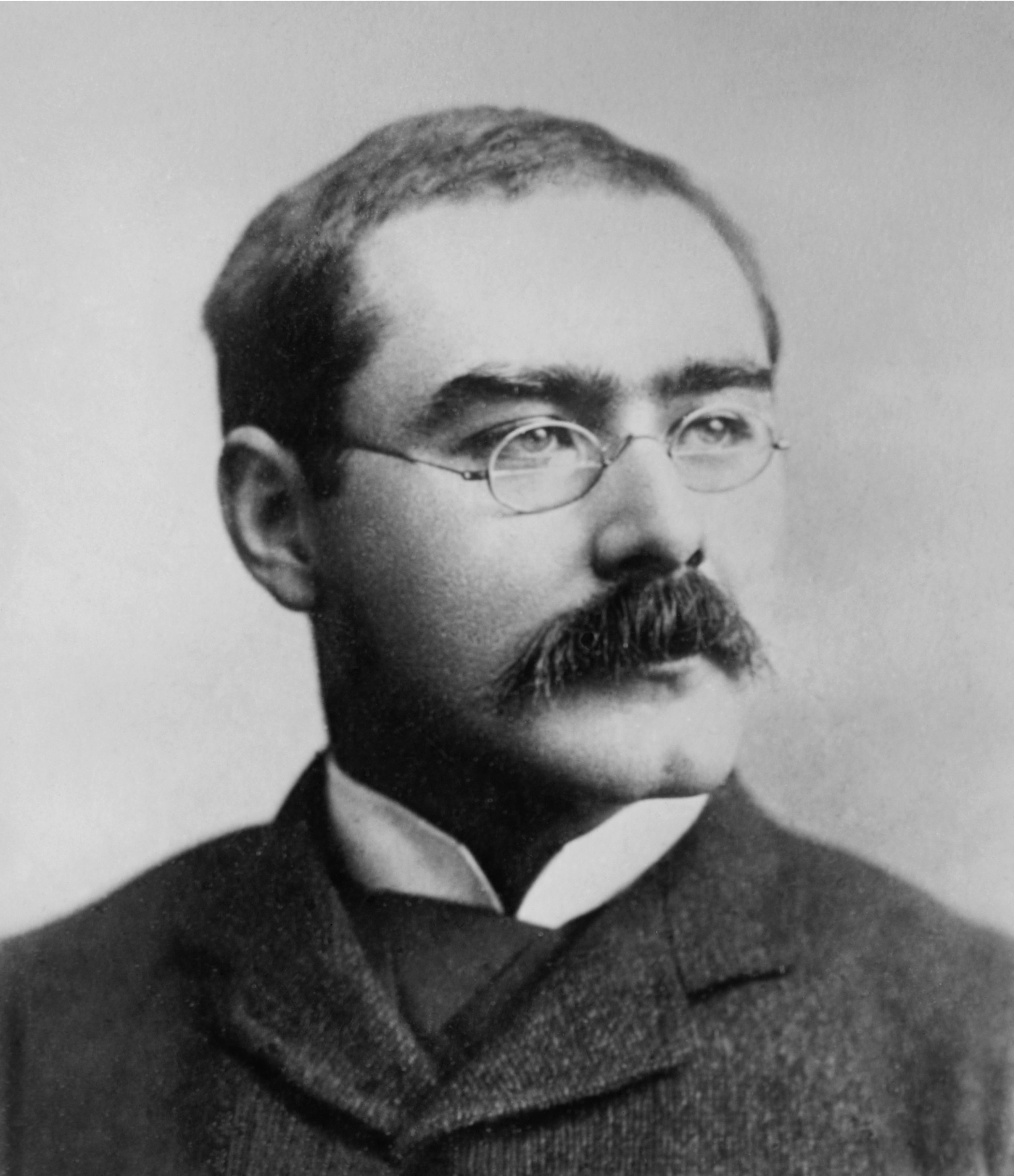
Every night, Rudyard Kipling told his daughter Josephine stories about how the leopard got his spots and the camel got his hump. She demanded they be told "just so" - the exact same words each time - or she would protest. These bedtime tales became a collection of twelve origin stories that have enchanted readers for over a century. In Kipling's world, the whale's throat was narrowed by a clever little fish, the rhinoceros got his wrinkled skin from standing in the sun too long, and the alphabet was invented by a clever Tapir who drew pictures in the sand. The prose crackles with rhythm and wit, addressed directly to "O Best Beloved," creating an intimate conversation between storyteller and listener. These are not scientific explanations but something more precious: imaginative tales that treat the natural world with wonder and playfulness. The stories work on multiple levels - as charming children's tales, as literary exercises in style, and as fascinating footnotes to the history of evolutionary thought. They endure because they capture something essential about how stories help us make sense of the world, and because they are simply magnificent to read aloud.
Editions
X-Ray
“Of course the Man was wild too. He was dreadfully wild. He didn't even begin to be tame till he met the Woman, and she told him that she did not like living in his wild ways. She picked out a nice dry Cave, instead of a heap of wet leaves, to lie down in; and she strewed clean sand on the floor; and she lit a nice fire of wood at the back of the Cave; and she hung a dried wild-horse skin, tail down, across the opening of the Cave; and she said, 'Wipe your feet, dear, when you come in, and now we'll keep house.””
— Rudyard Kipling
“Hear and attend and listen; for this befell and behappened and became and was: O my Best Beloved, when the tame animals were wild.””
— Rudyard Kipling
“The Man went to sleep in front of the fire ever so happy; but the Woman sat up, combing her hair. She took the bone of the shoulder of mutton – the big fat blade bone – and she looked at the wonderful marks on it, and she threw more wood on the fire, and she made a Magic. She made the first Singing Magic in the world.””
— Rudyard Kipling
“You must not forget the suspenders, Best Beloved.””
— Rudyard Kipling
“What is this," said the leopard,"that is so 'sclusively dark, and yet so full of little pieces of light?””
— Rudyard Kipling
“And the Eldest Magician said, 'How wise are little children who see and are silent!””
— Rudyard Kipling
“and when the moon gets up and night comes, he is the Cat that walks by himself, and all places are alike to him. Then he goes out to the Wet Wild Woods or up the Wet Wild Trees or on the Wet Wild Roofs, waving his wild tail and walking by his wild lone.””
— Rudyard Kipling
“This, O my Best Beloved is a story – a new and wonderful story – a story quite different from the other stories””
— Rudyard Kipling
“Then the Man threw his two boots and his little stone axe (that makes three) at the Cat, and the Cat ran out of the Cave and the Dog chased him up a tree; and from that day to this, Best Beloved, three proper Men out of five will always throw things at a Cat whenever they meet him, and all proper Dogs will chase him up a tree. But the Cat keeps his side of the bargain too. He will kill mice and he will be kind to Babies when he is in the house, just as long as they do not pull his tail too hard. But when he has done that, and between times, and when the moon gets up and night comes, he is the Cat that walks by himself, and all places are alike to him. Then he goes out to the Wet Wild Woods or up the Wet Wild Trees or on the Wet Wild Roofs, waving his wild tail and walking by his wild lone.””
— Rudyard Kipling
Link to this book
Add a free, dofollow link to Lex on your blog, forum, syllabus, or reading list.

<a href="https://lex-books.com/book/just-so-stories-fcf1317c-edb9-49c9-817d-fbeba2a18d4f"><img src="https://lex-books.com/badges/read-on-lex.svg" alt="Read Just so Stories by Rudyard Kipling free on Lex" width="160" height="40"></a>[](https://lex-books.com/book/just-so-stories-fcf1317c-edb9-49c9-817d-fbeba2a18d4f)[url=https://lex-books.com/book/just-so-stories-fcf1317c-edb9-49c9-817d-fbeba2a18d4f][img]https://lex-books.com/badges/read-on-lex.svg[/img][/url]Read Just so Stories by Rudyard Kipling free on Lex: https://lex-books.com/book/just-so-stories-fcf1317c-edb9-49c9-817d-fbeba2a18d4fCite this book
Reading this edition for a paper or guide? Copy a citation.
Kipling, Rudyard. Just so Stories. Lex, lex-books.com/book/just-so-stories-fcf1317c-edb9-49c9-817d-fbeba2a18d4f.Kipling, R. (1902). Just so Stories. Lex. https://lex-books.com/book/just-so-stories-fcf1317c-edb9-49c9-817d-fbeba2a18d4fKipling, Rudyard. Just so Stories. Lex. https://lex-books.com/book/just-so-stories-fcf1317c-edb9-49c9-817d-fbeba2a18d4f.