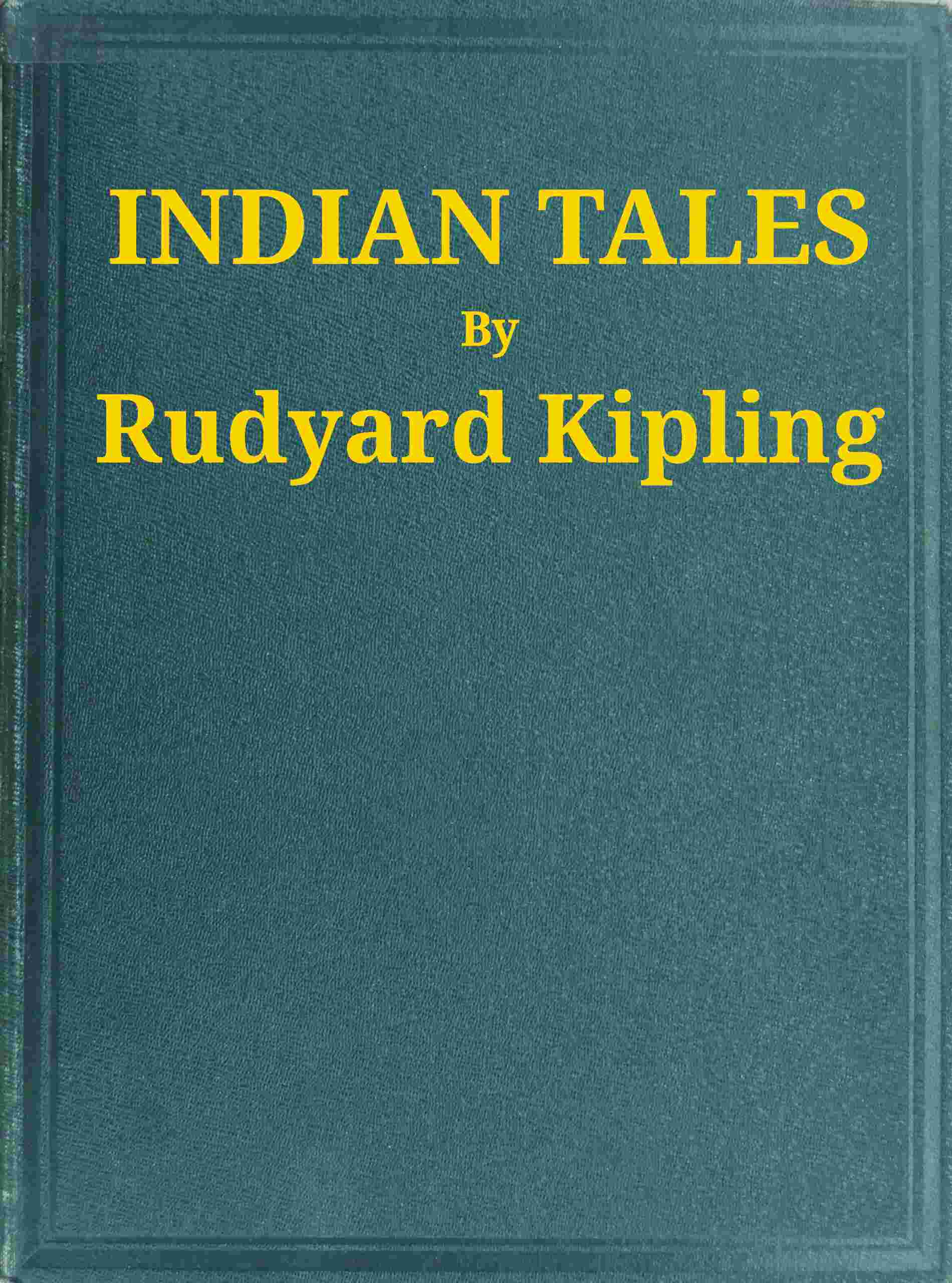
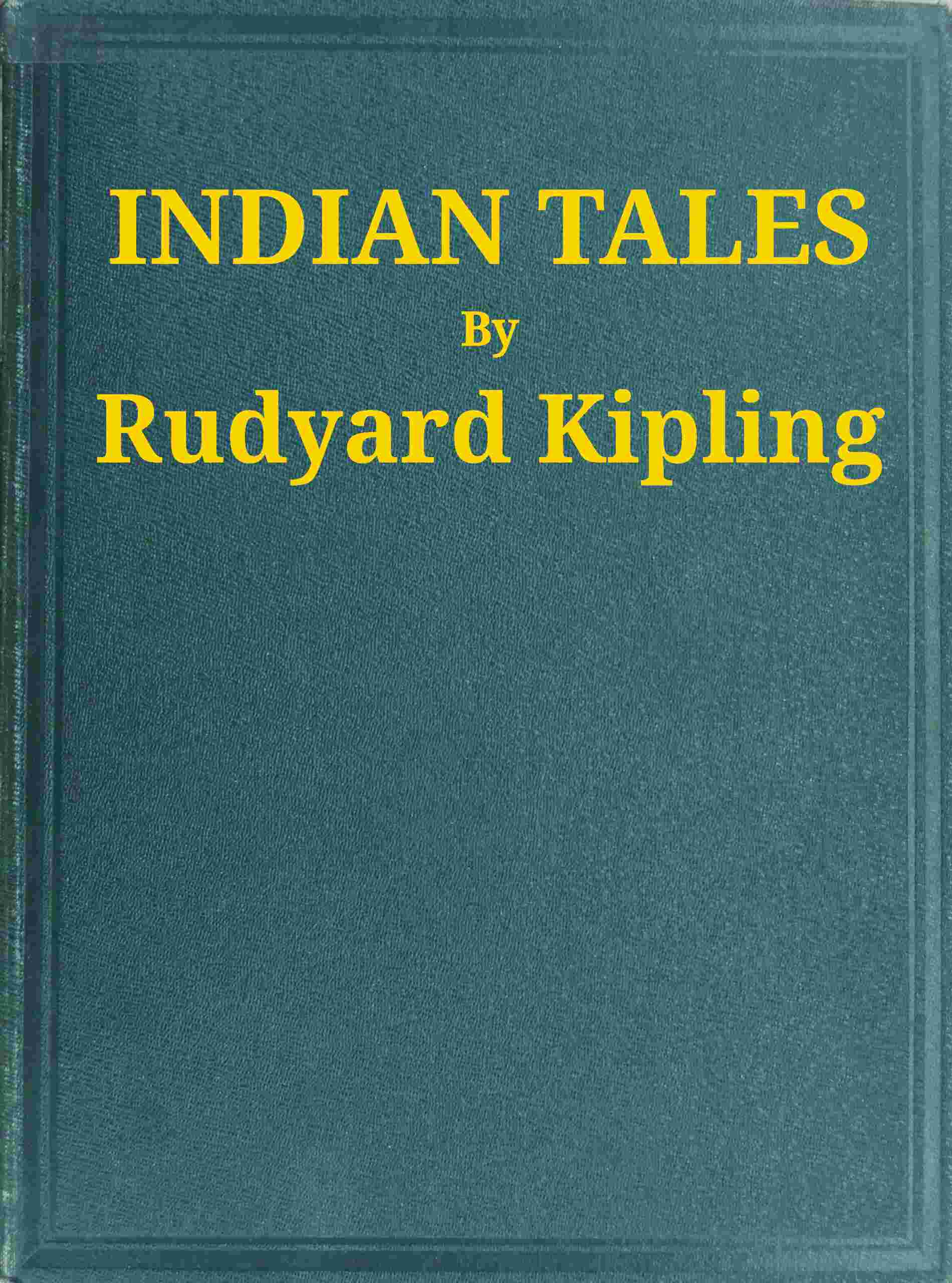
Indian Tales
Kipling's collection pulses with the raw energy of empire, the heat and dust of late-Victorian India rendered in prose so vivid it almost burns. The stories follow Charlie Mears, a young Englishman in Lahore, whose literary ambitions draw him into a web of reincarnation, memory, and adventure he doesn't fully understand. Through his conversations with an older narrator, we encounter a panorama of colonial life: tiger hunts, ghost stories, tales of native servants and British officers, all filtered through Kipling's unmistakable voice, romantic, paternalistic, occasionally terrifying in its certainty about the "civilizing" mission of empire. This is not comfortable literature. It is the work of a man who believed deeply in hierarchy, in the rightness of British rule, and who could also write sentences of staggering beauty. To read these tales is to encounter imperialism in its most articulate, most seductive, and most troubling form.
Editions
X-Ray
“There are few things sweeter in this world than the guileless, hotheaded,intemperate, open admiration of a junior. Even a woman inher blindest devotion does not fall into the gait of the man sheadores, tilt her bonnet to the angle at which he wears his hat, orinterlard her speech with his pet oaths.””
— Rudyard Kipling
“ever the knightly years were gone With the old world to the grave,I was a king in Babylon And you were a Christian slave,"”
— Rudyard Kipling
“When little boys have learned a new bad word they are never happy till they have chalked it up on a door. And this also is Literature.””
— Rudyard Kipling
“Holden found one helpless little hand that closed feebly on his finger. And the clutch ran through his body till it settled about his heart. Till then his sole thought had been for Ameera. He began to realise that there was some one else in the world,...””
— Rudyard Kipling
“Me! Me that taught you how for to walk abroad like a man”
— Rudyard Kipling
“was calling for us like a madman. When we reached him he was dripping with perspiration, and trembling like a startled horse. We had great difficulty in soothing him. He complained that he was in civilian kit, and wanted to tear my clothes off his body. I ordered him to strip, and we made a second exchange as quickly as possible.””
— Rudyard Kipling
“If your mirror be broken, look into still water; but have a care that you do not fall in.”
— Rudyard Kipling
“Encyclopaedia. "They're a mixed lot," said Dravot, reflectively; "and it won't help us to know the names of their tribes. The more tribes the more they'll fight, and the better for us. From Jagdallak to Ashang. H'mm!" "But all the information about the country is as sketchy and inaccurate as can be," I protested. "No one knows anything about it really. Here's the file of the United Services Institute. Read what Bellew says." "Blow Bellew!" said Carnehan. "Dan, they're an all-fired lot of heathens, but this book here says they think they're related to us English." I smoked while the men pored over Raverty, Wood, the maps and the Encyclopaedia. "There is no use your waiting," said Dravot, politely, "It's about four o'clock now. We'll go before six o'clock if you want to sleep, and we won't steal any of the papers. Don't you sit up. We're two harmless lunatics, and if you come, to-morrow evening, down to the Serai we'll say good-bye to you." "You are two fools," I answered, "You'll be turned back at the Frontier or cut up the minute you set foot in Afghanistan. Do you want any money or a recommendation down-country?””
— Rudyard Kipling
“nothin', or his edukashin which he niver got? You that think ye know things, answer me that." But I found no answer. I was wondering how long Ortheris, in the bank of the river, would hold out, and whether I should be forced to help him to desert, as I had given my word.””
— Rudyard Kipling
Link to this book
Add a free, dofollow link to Lex on your blog, forum, syllabus, or reading list.

<a href="https://lex-books.com/book/indian-tales-0a2a1c7a-7181-4435-b8a9-422d8446b9e1"><img src="https://lex-books.com/badges/read-on-lex.svg" alt="Read Indian Tales by Rudyard Kipling free on Lex" width="160" height="40"></a>[](https://lex-books.com/book/indian-tales-0a2a1c7a-7181-4435-b8a9-422d8446b9e1)[url=https://lex-books.com/book/indian-tales-0a2a1c7a-7181-4435-b8a9-422d8446b9e1][img]https://lex-books.com/badges/read-on-lex.svg[/img][/url]Read Indian Tales by Rudyard Kipling free on Lex: https://lex-books.com/book/indian-tales-0a2a1c7a-7181-4435-b8a9-422d8446b9e1Cite this book
Reading this edition for a paper or guide? Copy a citation.
Kipling, Rudyard. Indian Tales. Lex, lex-books.com/book/indian-tales-0a2a1c7a-7181-4435-b8a9-422d8446b9e1.Kipling, R. (n.d.). Indian Tales. Lex. https://lex-books.com/book/indian-tales-0a2a1c7a-7181-4435-b8a9-422d8446b9e1Kipling, Rudyard. Indian Tales. Lex. https://lex-books.com/book/indian-tales-0a2a1c7a-7181-4435-b8a9-422d8446b9e1.