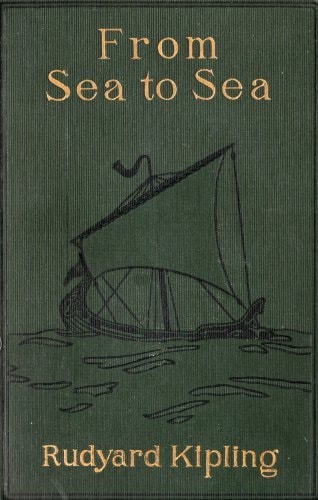
From Sea to Sea; Letters of Travel
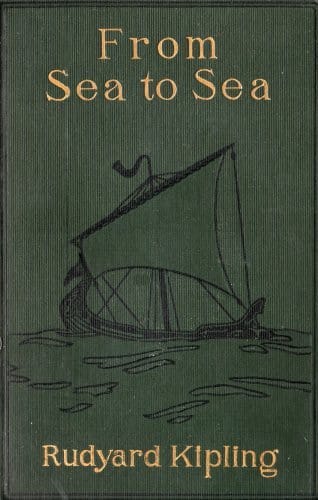
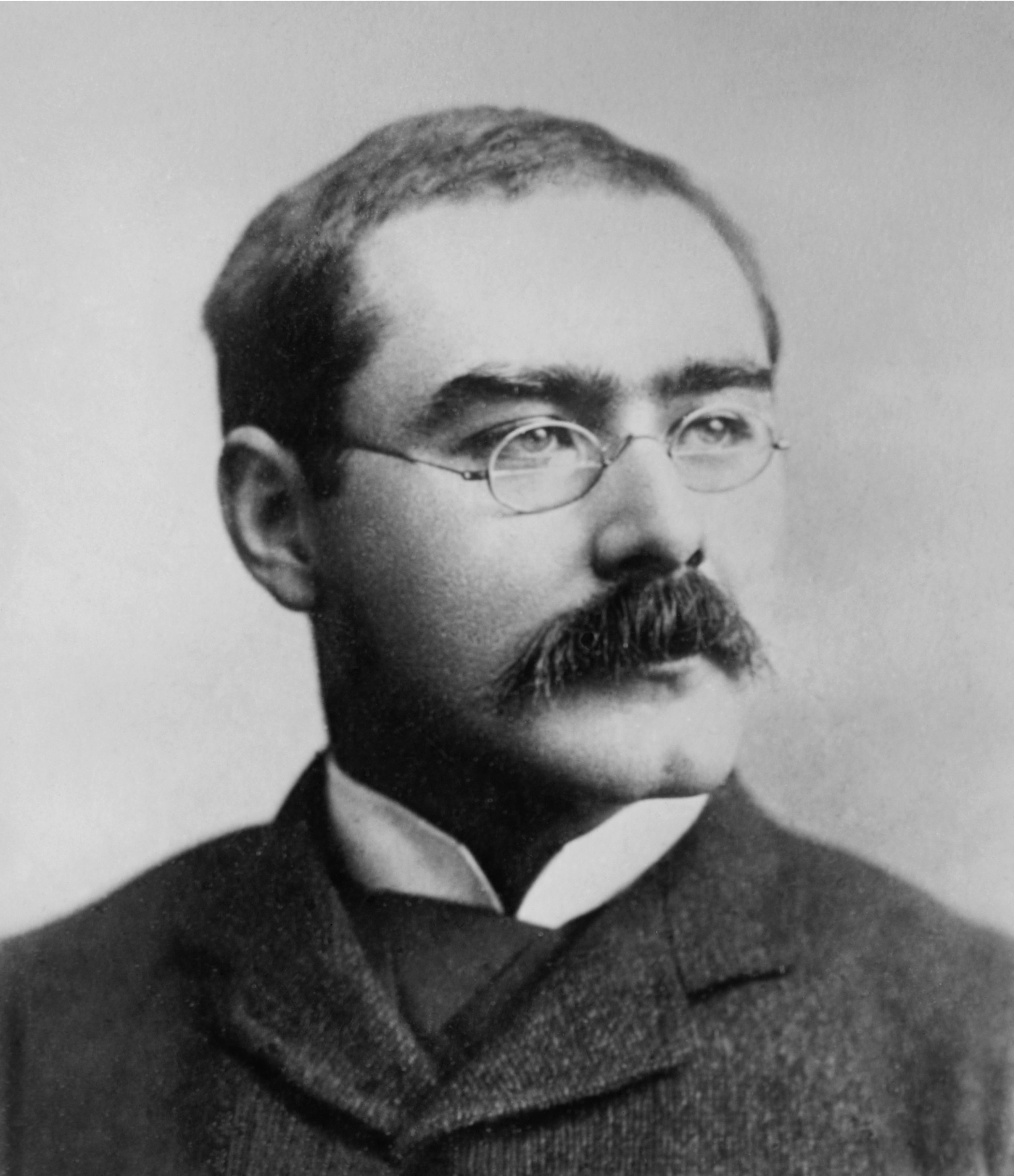
The young Kipling, barely out of his teens, writes these letters from the road, and his eye is merciless. Whether watching the Taj Mahal slide past a train window or trading barbs with a complacent 'Young Man from Manchester,' he sees everything and forgives nothing. These are not the poems of empire or the fables that made him famous, but something rawer: dispatches from a writer learning his craft in real time, sharpening his wit against the complacency of fellow travelers who treat India as a spectacle. The prose crackles with the energy of someone who knows he must outshine every dull tourist who came before him. Here is Kipling before the Nobel, before the nostalgia, before the later imperial apologetics fully set in, a young man incandescent with observation, desperate to make you see what he sees. The letters follow his journeys across India and beyond, recording encounters with officials, locals, and the landscapes themselves. This is essential Kipling: not the laureate but the correspondent, the traveler, the sharp-eyed young man who would become one of the most influential English writers of the twentieth century, for better and worse.
Editions

Link to this book
Add a free, dofollow link to Lex on your blog, forum, syllabus, or reading list.

<a href="https://lex-books.com/book/from-sea-to-sea-letters-of-travel-0a660790-21ee-4a6d-8d86-4c3de50ba19e"><img src="https://lex-books.com/badges/read-on-lex.svg" alt="Read From Sea to Sea; Letters of Travel by Rudyard Kipling free on Lex" width="160" height="40"></a>[](https://lex-books.com/book/from-sea-to-sea-letters-of-travel-0a660790-21ee-4a6d-8d86-4c3de50ba19e)[url=https://lex-books.com/book/from-sea-to-sea-letters-of-travel-0a660790-21ee-4a6d-8d86-4c3de50ba19e][img]https://lex-books.com/badges/read-on-lex.svg[/img][/url]Read From Sea to Sea; Letters of Travel by Rudyard Kipling free on Lex: https://lex-books.com/book/from-sea-to-sea-letters-of-travel-0a660790-21ee-4a6d-8d86-4c3de50ba19eCite this book
Reading this edition for a paper or guide? Copy a citation.
Kipling, Rudyard. From Sea to Sea; Letters of Travel. Lex, lex-books.com/book/from-sea-to-sea-letters-of-travel-0a660790-21ee-4a6d-8d86-4c3de50ba19e.Kipling, R. (n.d.). From Sea to Sea; Letters of Travel. Lex. https://lex-books.com/book/from-sea-to-sea-letters-of-travel-0a660790-21ee-4a6d-8d86-4c3de50ba19eKipling, Rudyard. From Sea to Sea; Letters of Travel. Lex. https://lex-books.com/book/from-sea-to-sea-letters-of-travel-0a660790-21ee-4a6d-8d86-4c3de50ba19e.