Human Nature and Conduct - Part 2, The Place of Impulse In Conduct
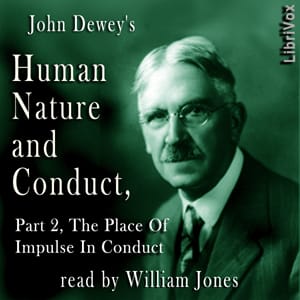
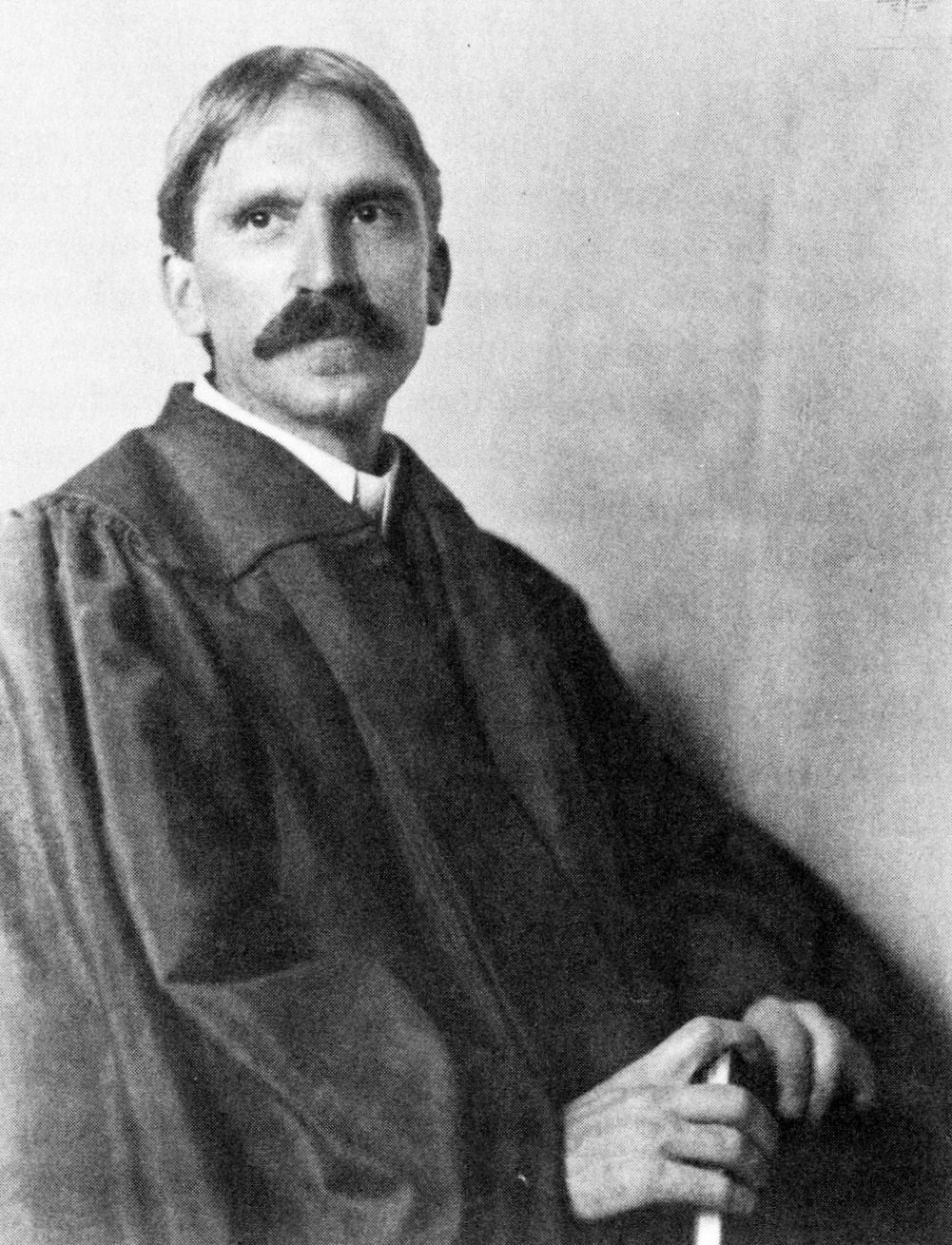
John Dewey was among the first to argue that the ancient debate between nature and nurture misses the point entirely. In this bracing philosophical work, he proposes that human conduct emerges from the dynamic interplay between impulse and habit, two forces we have long wrongly separated. Impulse is not raw instinct waiting to be tamed by culture; it is the vital, creative energy that disrupts rigid habit and allows us to adapt, grow, and respond to a changing world. Dewey argues that most of what we call "human nature" is actually custom solidified into habit, and when those habits calcify into inflexible customs, societies stagnate and die. A moral act, in Dewey's view, is one that reorganizes our habits in light of new understanding - it is not obedience to rule but imaginative reconstruction of ourselves and our world. This radical vision of human plasticity remains essential reading for anyone interested in ethics, education, or the question of what we might become.
Editions

Link to this book
Add a free, dofollow link to Lex on your blog, forum, syllabus, or reading list.

<a href="https://lex-books.com/book/human-nature-and-conduct-part-2-the-place-of-impulse-in-conduct-21884460-b5f6-48fd-8017-b43b111ed855"><img src="https://lex-books.com/badges/read-on-lex.svg" alt="Read Human Nature and Conduct - Part 2, The Place of Impulse In Conduct by John Dewey free on Lex" width="160" height="40"></a>[](https://lex-books.com/book/human-nature-and-conduct-part-2-the-place-of-impulse-in-conduct-21884460-b5f6-48fd-8017-b43b111ed855)[url=https://lex-books.com/book/human-nature-and-conduct-part-2-the-place-of-impulse-in-conduct-21884460-b5f6-48fd-8017-b43b111ed855][img]https://lex-books.com/badges/read-on-lex.svg[/img][/url]Read Human Nature and Conduct - Part 2, The Place of Impulse In Conduct by John Dewey free on Lex: https://lex-books.com/book/human-nature-and-conduct-part-2-the-place-of-impulse-in-conduct-21884460-b5f6-48fd-8017-b43b111ed855Cite this book
Reading this edition for a paper or guide? Copy a citation.
Dewey, John. Human Nature and Conduct - Part 2, The Place of Impulse In Conduct. Lex, lex-books.com/book/human-nature-and-conduct-part-2-the-place-of-impulse-in-conduct-21884460-b5f6-48fd-8017-b43b111ed855.Dewey, J. (n.d.). Human Nature and Conduct - Part 2, The Place of Impulse In Conduct. Lex. https://lex-books.com/book/human-nature-and-conduct-part-2-the-place-of-impulse-in-conduct-21884460-b5f6-48fd-8017-b43b111ed855Dewey, John. Human Nature and Conduct - Part 2, The Place of Impulse In Conduct. Lex. https://lex-books.com/book/human-nature-and-conduct-part-2-the-place-of-impulse-in-conduct-21884460-b5f6-48fd-8017-b43b111ed855.