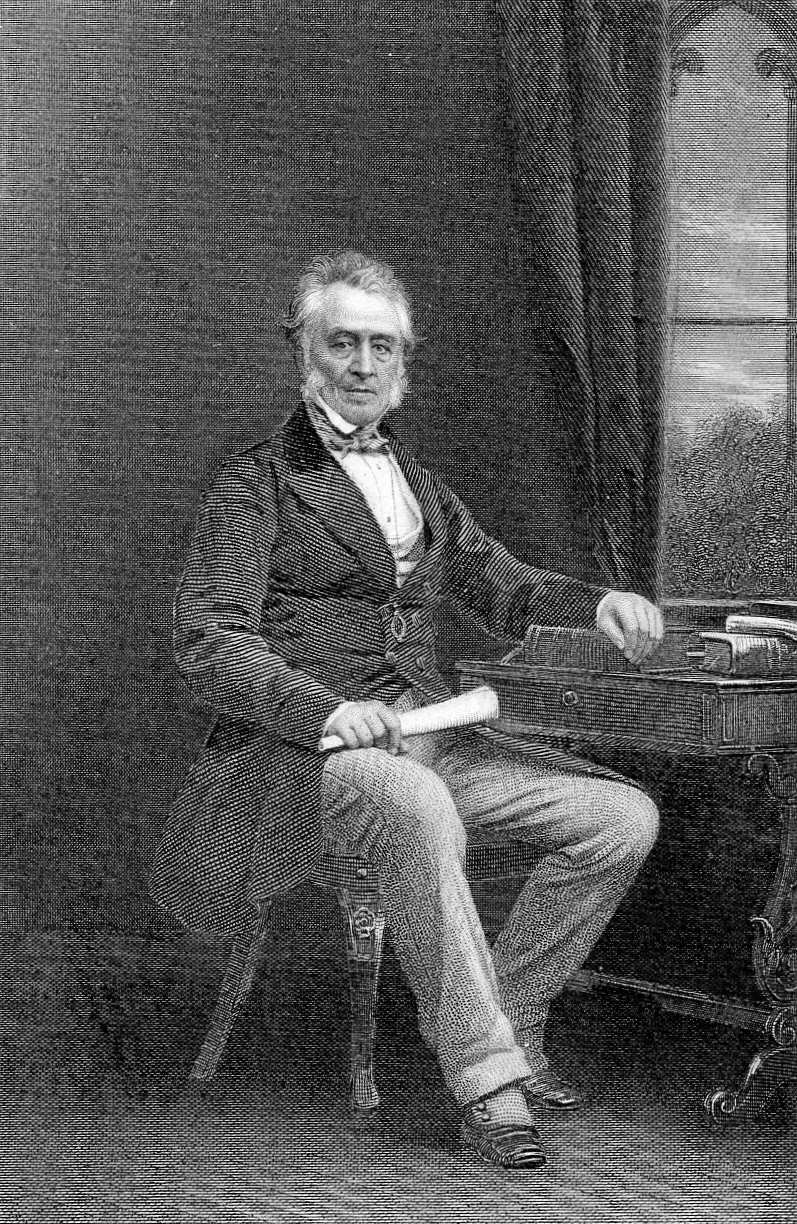
History of Greece, Volume 03 (of 12)
1847

History of Greece, Volume 03, written by George Grote and first published in 1847, continues the examination of ancient Greek history, focusing on the political dynamics of key city-states such as Corinth, Sikyôn, and Megara during the age of despotism. This volume explores the rise and fall of oligarchies and the emergence of despotic rulers, providing insights into the transformation of Greek political thought. It highlights the socio-political context of these changes, reflecting broader trends towards despotism in the 7th and 6th centuries B.C.
Editions

X-Ray
An Athenian archon and lawgiver renowned for his constitutional and economic reforms, including the 'seisachtheia' which abolished debt-slavery.
An Athenian patrician who, after Solon's reforms, successfully seized power and became the first despot of Athens, ruling with comparative mildness.
A powerful despot of Sikyôn who implemented strong anti-Argeian policies, including insulting name changes for Dorian tribes, and whose daughter Agaristê married an Athenian Alkmæônid.
The first despot of Corinth, who overthrew the Bacchiad oligarchy and ruled for thirty years, known for his conciliatory behavior towards the people but also for cruelty according to some accounts.
About History of Greece, Volume 03 (of 12)
Chapter Summaries
- IX
- This chapter details the early history of Corinth, Sikyôn, and Megara, focusing on the rise of despots in the 7th and 6th centuries B.C. It covers Corinth's maritime power and the rule of Kypselus and Periander, Sikyôn's Orthagorid dynasty and Kleisthenês's anti-Argeian policies, and Megara's early independence and the despotism of Theagenês. The chapter also discusses the general phenomenon of despotism in Greece, its causes, and its impact on political evolution.
- X
- This chapter covers Athenian history from 776 B.C. to Solon's legislation, detailing the transition from kingship after Kodrus to a system of archons. It describes the social structure of four Ionic tribes, their subdivisions, and the political power held by the Eupatridæ and the Senate of Areopagus. The chapter also recounts Drako's severe laws, Kylôn's attempted usurpation and the Alkmæônid massacre, and the subsequent purification of Athens by the Kretan prophet Epimenidês.
- XI
- This chapter details Solon's life and his transformative legislation in Athens (594 B.C.), including his role in securing Salamis from Megara. It highlights the dire social conditions of debt-slavery and the misery of the poor that necessitated his reforms. Solon's key measures, such as the 'seisachtheia' (debt cancellation and prohibition of debt-slavery), debasement of the currency, and the establishment of a timocratic census and the Council of Four Hundred, are explained. The chapter also discusses his other laws, his travels, and the eventual usurpation of power by Peisistratus despite Solon's resistance.
Key Themes
- Political Evolution and Governance
- The text meticulously traces the transformation of Greek city-states from primitive heroic kingships to oligarchies, then to the age of despots, and finally to the foundational stages of democracy. It highlights the distinct paths taken by Sparta (retaining kingship with checks) versus other cities (abolishing kingship for collective rule), and the recurring cycle of discontent leading to new forms of government.
- Social Inequality and Debt
- A prominent theme is the severe social stratification and economic distress, particularly the widespread debt-slavery that plagued early Athens and other Greek cities. Solon's reforms, especially the seisachtheia, are presented as a crucial response to this crisis, aiming to alleviate the misery of the poor and prevent social collapse.
- Colonial Expansion and Intercultural Contact
- The book extensively covers the Greek colonization movement across the Mediterranean and Black Seas. This expansion led to significant interaction with diverse indigenous populations (Sikels, Karians, Libyans) and established empires (Phenicians, Lydians, Egyptians), resulting in cultural exchange, trade, and often conflict.
Characters
- Solon(protagonist)
- An Athenian archon and lawgiver renowned for his constitutional and economic reforms, including the 'seisachtheia' which abolished debt-slavery.
- Peisistratus(antagonist)
- An Athenian patrician who, after Solon's reforms, successfully seized power and became the first despot of Athens, ruling with comparative mildness.
- Kleisthenês (Sikyonian)(supporting)
- A powerful despot of Sikyôn who implemented strong anti-Argeian policies, including insulting name changes for Dorian tribes, and whose daughter Agaristê married an Athenian Alkmæônid.
- Kypselus(supporting)
- The first despot of Corinth, who overthrew the Bacchiad oligarchy and ruled for thirty years, known for his conciliatory behavior towards the people but also for cruelty according to some accounts.
- Periander(supporting)
- Son and successor of Kypselus, despot of Corinth, known for his vigor and encouragement of arts, but also for extreme oppression and cruelty, including the murder of his wife Melissa and the brutal treatment of Korkyræan youths.
- Theagenês(supporting)
- Despot of Megara, who gained power through demagogic arts and violence against the rich, but was later overthrown.
Link to this book
Add a free, dofollow link to Lex on your blog, forum, syllabus, or reading list.

<a href="https://lex-books.com/book/history-of-greece-volume-03-of-12-ff8e2a66-2578-48e5-9090-d4aae1f0cb53"><img src="https://lex-books.com/badges/read-on-lex.svg" alt="Read History of Greece, Volume 03 (of 12) by George Grote free on Lex" width="160" height="40"></a>[](https://lex-books.com/book/history-of-greece-volume-03-of-12-ff8e2a66-2578-48e5-9090-d4aae1f0cb53)[url=https://lex-books.com/book/history-of-greece-volume-03-of-12-ff8e2a66-2578-48e5-9090-d4aae1f0cb53][img]https://lex-books.com/badges/read-on-lex.svg[/img][/url]Read History of Greece, Volume 03 (of 12) by George Grote free on Lex: https://lex-books.com/book/history-of-greece-volume-03-of-12-ff8e2a66-2578-48e5-9090-d4aae1f0cb53Cite this book
Reading this edition for a paper or guide? Copy a citation.
Grote, George. History of Greece, Volume 03 (of 12). Lex, lex-books.com/book/history-of-greece-volume-03-of-12-ff8e2a66-2578-48e5-9090-d4aae1f0cb53.Grote, G. (1847). History of Greece, Volume 03 (of 12). Lex. https://lex-books.com/book/history-of-greece-volume-03-of-12-ff8e2a66-2578-48e5-9090-d4aae1f0cb53Grote, George. History of Greece, Volume 03 (of 12). Lex. https://lex-books.com/book/history-of-greece-volume-03-of-12-ff8e2a66-2578-48e5-9090-d4aae1f0cb53.