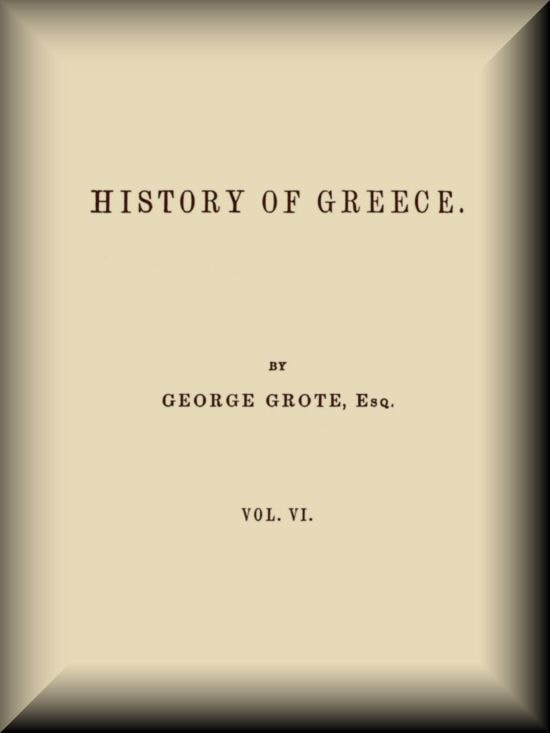
History of Greece, Volume 06 (of 12)
1851
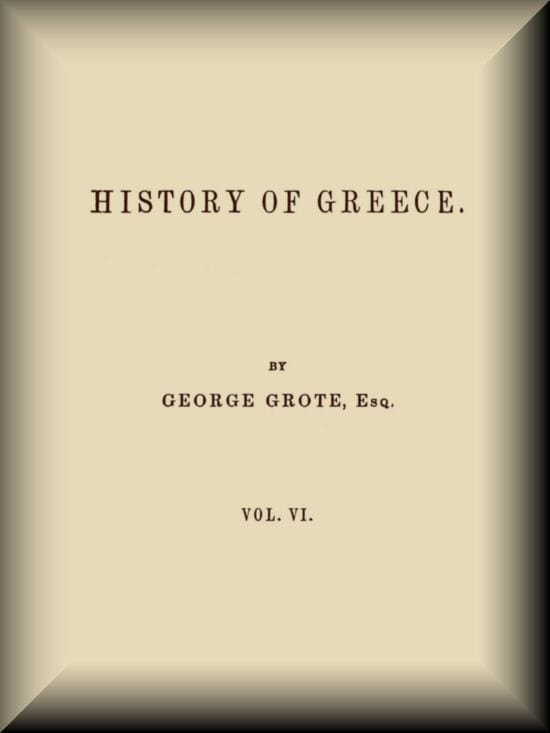
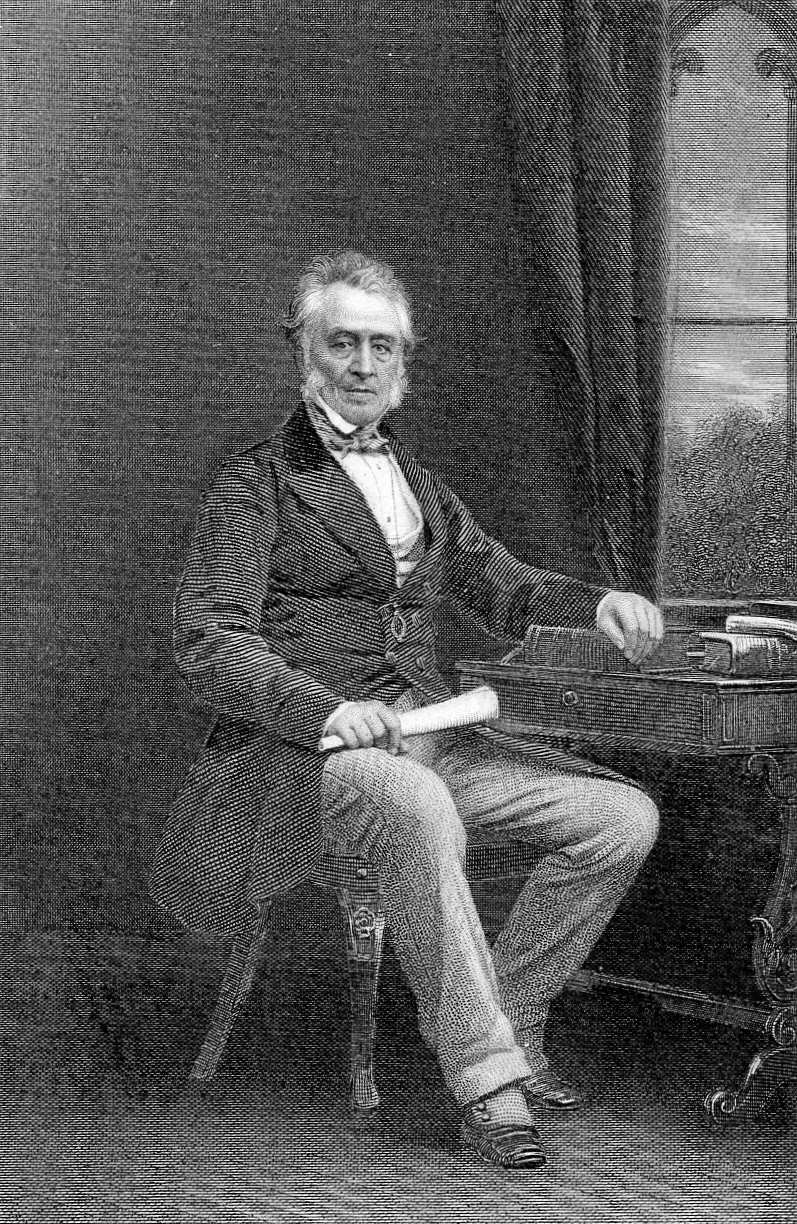
George Grote's monumental history redefined how the modern world understands ancient democracy. This sixth volume, published in 1851, examines the critical decades after the Thirty Years' Truce when Athens transformed from alliance into empire. Grote, a pioneering voice in Victorian classical scholarship, traces how Athenian citizens shifted from cautious governance to aggressive maritime expansion, building a tribute-based empire that reshaped the Mediterranean. The narrative centers on Perikles' strategies, the strengthening of naval power, and the economic engine of collected tribute. Yet Grote equally illuminates the opposition: Thucydidês and his allies who warned that imperial overreach would provoke the very war they feared. Written with the intellectual ambition characteristic of Victorian non-fiction, this volume offers not merely a chronological account but a meditation on power, democracy, and the fragile boundaries between alliance and domination. For readers interested in how ancient precedents echo through political thought, or in the origins of Western imperialism's oldest case study, Grote remains essential reading.
Editions

X-Ray
The leading Athenian statesman and orator, who guided Athens through the initial years of the Peloponnesian War and shaped its imperial policy and cultural zenith.
A prominent Athenian demagogue and leather-seller, known for his violent rhetoric and aggressive wartime policies, who rose to influence after Periklês's death.
An exceptionally able and charismatic Spartan general, whose daring and conciliatory actions in Thrace posed a significant threat to the Athenian empire.
A wealthy and cautious Athenian general and politician, known for his piety, honesty, and conservative foreign policy, who often opposed Kleon and Alkibiadês.
About History of Greece, Volume 06 (of 12)
Chapter Summaries
- XLVII
- This chapter details Athens's consolidation of its maritime empire after the Thirty Years' Truce, highlighting Periklês's vision, the city's economic strength, and its architectural achievements. It covers the revolt of Samos, Athens's suppression of it, and the shift in Corinth's policy from pacific to warlike due to disputes with Korkyra and the subsequent Athenian intervention, culminating in the blockade of Potidæa.
- XLVIII
- The chapter describes the escalating tensions leading to the Peloponnesian War, including the Megarian decree and Corinthian instigation at Sparta. It recounts the Spartan assembly debate, where Archidamus's caution is overruled by Stheneläidas, leading to a vote for war. The Theban surprise attack on Platæa officially begins the war, followed by the first Peloponnesian invasion of Attica, Periklês's strategy of abandonment, and his famous funeral oration.
- XLIX
- This chapter covers the second and third years of the war, marked by the devastating Athenian plague, vividly described by Thucydidês. It details the Peloponnesian invasions of Attica, the Athenian expedition against Peloponnesus, and the surrender of Potidæa. The narrative also includes Phormio's significant naval victories in the Corinthian Gulf and Demosthenês's successful campaign in Akarnania, despite his earlier defeat in Ætolia.
Key Themes
- Imperialism and Autonomy
- The book extensively explores the nature of Athenian imperialism, contrasting its benefits (security, trade, justice via dikasteries) with its inherent contradiction to the Greek ideal of city-state autonomy. The revolts of Samos, Mitylênê, and the Thracian cities highlight the tension between Athenian dominance and the allies' desire for self-governance.
- Leadership and Political Character
- The text offers deep insights into the character and leadership styles of key figures like Periklês, Kleon, Nikias, and Brasidas. It contrasts Periklês's long-sighted prudence and incorruptibility with Kleon's violent demagoguery and Nikias's caution, while celebrating Brasidas's unique blend of military prowess and conciliatory diplomacy.
- War and its Corrupting Influence
- Thucydidês's reflections on the Korkyraean massacre serve as a powerful analysis of how prolonged warfare and civil strife erode moral and legal restraints. The narrative demonstrates how fear, hatred, and the pursuit of power can pervert human nature and societal norms, leading to unprecedented cruelty and lawlessness.
Characters
- Periklês(protagonist)
- The leading Athenian statesman and orator, who guided Athens through the initial years of the Peloponnesian War and shaped its imperial policy and cultural zenith.
- Kleon(antagonist)
- A prominent Athenian demagogue and leather-seller, known for his violent rhetoric and aggressive wartime policies, who rose to influence after Periklês's death.
- Brasidas(antagonist)
- An exceptionally able and charismatic Spartan general, whose daring and conciliatory actions in Thrace posed a significant threat to the Athenian empire.
- Nikias(supporting)
- A wealthy and cautious Athenian general and politician, known for his piety, honesty, and conservative foreign policy, who often opposed Kleon and Alkibiadês.
- Demosthenês(supporting)
- An enterprising Athenian general, known for his innovative military tactics, particularly in the use of light-armed troops, and his successes in Akarnania and Sphakteria.
- Archidamus(supporting)
- The cautious and respected King of Sparta, who initially advised against war with Athens but led the Peloponnesian invasions of Attica.
Link to this book
Add a free, dofollow link to Lex on your blog, forum, syllabus, or reading list.

<a href="https://lex-books.com/book/history-of-greece-volume-06-of-12-2cafe527-a20f-4300-8cae-b05d6f0e5365"><img src="https://lex-books.com/badges/read-on-lex.svg" alt="Read History of Greece, Volume 06 (of 12) by George Grote free on Lex" width="160" height="40"></a>[](https://lex-books.com/book/history-of-greece-volume-06-of-12-2cafe527-a20f-4300-8cae-b05d6f0e5365)[url=https://lex-books.com/book/history-of-greece-volume-06-of-12-2cafe527-a20f-4300-8cae-b05d6f0e5365][img]https://lex-books.com/badges/read-on-lex.svg[/img][/url]Read History of Greece, Volume 06 (of 12) by George Grote free on Lex: https://lex-books.com/book/history-of-greece-volume-06-of-12-2cafe527-a20f-4300-8cae-b05d6f0e5365Cite this book
Reading this edition for a paper or guide? Copy a citation.
Grote, George. History of Greece, Volume 06 (of 12). Lex, lex-books.com/book/history-of-greece-volume-06-of-12-2cafe527-a20f-4300-8cae-b05d6f0e5365.Grote, G. (1851). History of Greece, Volume 06 (of 12). Lex. https://lex-books.com/book/history-of-greece-volume-06-of-12-2cafe527-a20f-4300-8cae-b05d6f0e5365Grote, George. History of Greece, Volume 06 (of 12). Lex. https://lex-books.com/book/history-of-greece-volume-06-of-12-2cafe527-a20f-4300-8cae-b05d6f0e5365.