The Two Great Retreats of History
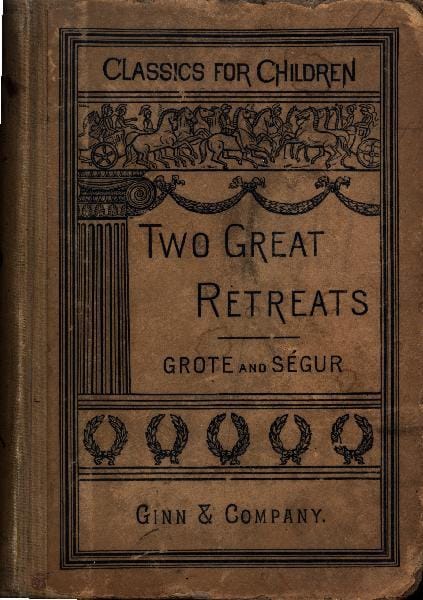
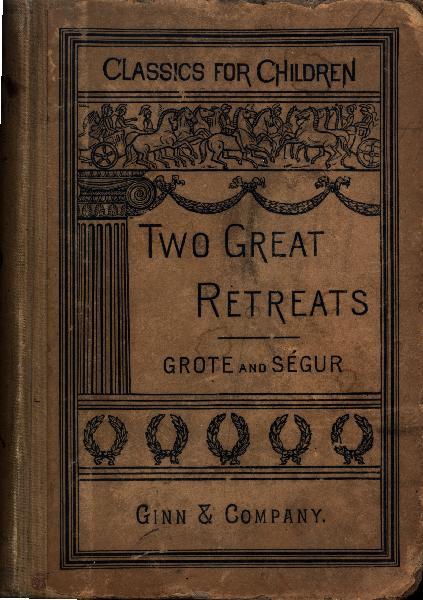
The Two Great Retreats of History
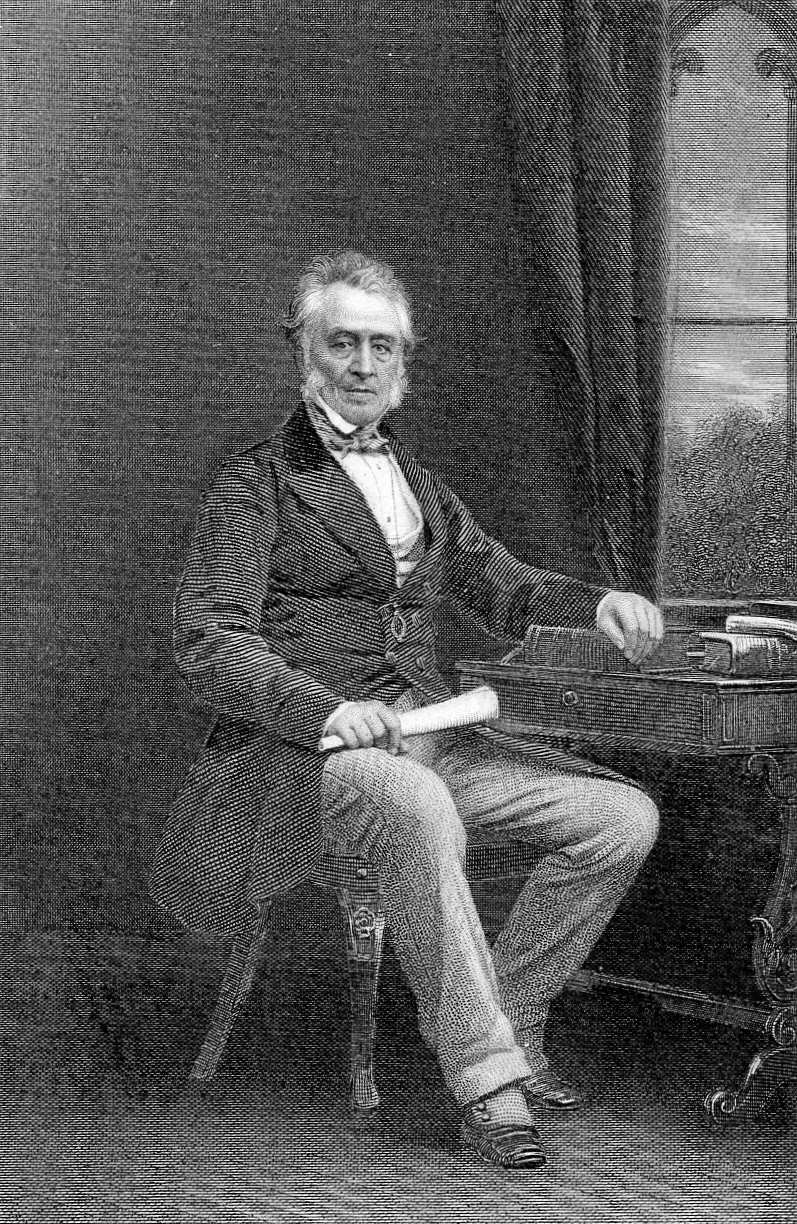
Two military disasters, a thousand years apart, both capturing the raw mathematics of survival when an army finds itself trapped in hostile territory, thousands of miles from home. George Grote brings his renowned scholarship to the March of the Ten Thousand: the story of Greek mercenaries left leaderless in the heart of Persia after Cyrus the Younger fell at Cunaxa, who refused surrender and fought their way north to the Black Sea. Complementing this is comte de Philippe-Paul Ségur's eyewitness account of Napoleon's catastrophic 1812 retreat from Moscow, where the Grande Armée dissolved into frozen chaos. What emerges from this pairing is not merely military history but a meditation on leadership, discipline, and the human will refusing to accept annihilation. Both retreats tested the boundaries of what exhausted, starving soldiers can endure when the only alternative is death. The comparison Grote constructs is deliberate: ancient against modern, Eastern empire against Western, mercenary professionalism against imperial ambition. This is a book for readers who understand that the most revealing moments in history often come not in victory but in defeat, when character is stripped to its essence.
Editions
X-Ray
Athenian volunteer who becomes the primary leader of the Ten Thousand Greeks after their generals are treacherously killed. He demonstrates exceptional military leadership, oratorical skill, and strategic thinking throughout the retreat.
Persian prince who hired the Ten Thousand Greeks to help him claim the throne from his brother Artaxerxês. His death at the Battle of Kunaxa sets the entire retreat in motion.
Spartan general who initially commanded the Greek forces under Cyrus. His treacherous capture and execution by Tissaphernês creates the crisis that elevates Xenophon to leadership.
Persian satrap who initially offers to guide the Greeks home safely but then betrays them by capturing and executing their generals. His treachery forces the Greeks to fight their way out of Persia.
About The Two Great Retreats of History
Chapter Summaries
- Introduction to Cyrus
- Introduces Cyrus the Younger, son of Persian king Darius, who becomes satrap of Lydia and plots to overthrow his brother Artaxerxês. He recruits ten thousand Greek mercenaries under false pretenses for his march to Babylon.
- 1
- After Cyrus dies at the Battle of Kunaxa, the victorious Greeks find themselves stranded in enemy territory. They reject Persian demands to surrender their arms and begin planning their retreat home.
- 2
- The Greeks begin their eastward march with Ariæus as guide. They demonstrate their military superiority by intimidating Persian heralds and maintaining strict discipline during river crossings.
Key Themes
- Leadership in Crisis
- Both works explore how true leadership emerges in desperate circumstances. Xenophon rises from volunteer to commander through courage and oratory, while Napoleon's leadership is tested by the catastrophic retreat from Moscow.
- The Power of Oratory and Persuasion
- Xenophon's speeches repeatedly save the army from despair and mutiny, demonstrating how eloquent leadership can overcome seemingly impossible odds. His Athenian rhetorical training proves as valuable as military skill.
- Patriotism and National Identity
- The Greeks maintain their Hellenic identity and values throughout their ordeal, while the Russians demonstrate extreme patriotism by destroying their own capital to defeat the invaders.
Characters
- Xenophon(protagonist)
- Athenian volunteer who becomes the primary leader of the Ten Thousand Greeks after their generals are treacherously killed. He demonstrates exceptional military leadership, oratorical skill, and strategic thinking throughout the retreat.
- Cyrus the Younger(major)
- Persian prince who hired the Ten Thousand Greeks to help him claim the throne from his brother Artaxerxês. His death at the Battle of Kunaxa sets the entire retreat in motion.
- Klearchus(major)
- Spartan general who initially commanded the Greek forces under Cyrus. His treacherous capture and execution by Tissaphernês creates the crisis that elevates Xenophon to leadership.
- Tissaphernês(antagonist)
- Persian satrap who initially offers to guide the Greeks home safely but then betrays them by capturing and executing their generals. His treachery forces the Greeks to fight their way out of Persia.
- Cheirisophus(major)
- Lacedaemonian general who serves as co-commander with Xenophon during the retreat. He leads the vanguard while Xenophon commands the rear guard.
- Napoleon Bonaparte(protagonist)
- French Emperor who leads the Grand Army into Russia in 1812. His initial success turns to disaster as he faces the burning of Moscow and the brutal Russian winter during retreat.
Link to this book
Add a free, dofollow link to Lex on your blog, forum, syllabus, or reading list.

<a href="https://lex-books.com/book/the-two-great-retreats-of-history-78a15c04-00c6-457a-91b7-b6eb398f6f31"><img src="https://lex-books.com/badges/read-on-lex.svg" alt="Read The Two Great Retreats of History by George Grote free on Lex" width="160" height="40"></a>[](https://lex-books.com/book/the-two-great-retreats-of-history-78a15c04-00c6-457a-91b7-b6eb398f6f31)[url=https://lex-books.com/book/the-two-great-retreats-of-history-78a15c04-00c6-457a-91b7-b6eb398f6f31][img]https://lex-books.com/badges/read-on-lex.svg[/img][/url]Read The Two Great Retreats of History by George Grote free on Lex: https://lex-books.com/book/the-two-great-retreats-of-history-78a15c04-00c6-457a-91b7-b6eb398f6f31Cite this book
Reading this edition for a paper or guide? Copy a citation.
Grote, George. The Two Great Retreats of History. Lex, lex-books.com/book/the-two-great-retreats-of-history-78a15c04-00c6-457a-91b7-b6eb398f6f31.Grote, G. (n.d.). The Two Great Retreats of History. Lex. https://lex-books.com/book/the-two-great-retreats-of-history-78a15c04-00c6-457a-91b7-b6eb398f6f31Grote, George. The Two Great Retreats of History. Lex. https://lex-books.com/book/the-two-great-retreats-of-history-78a15c04-00c6-457a-91b7-b6eb398f6f31.