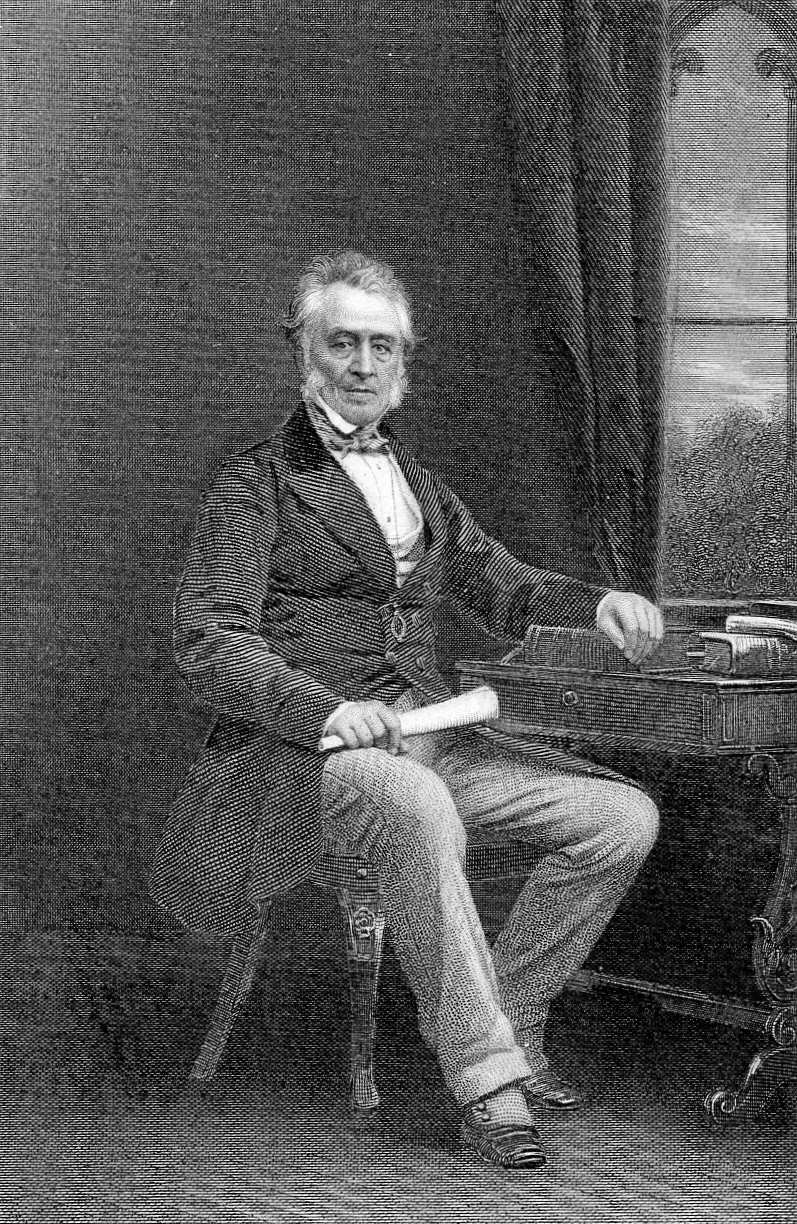
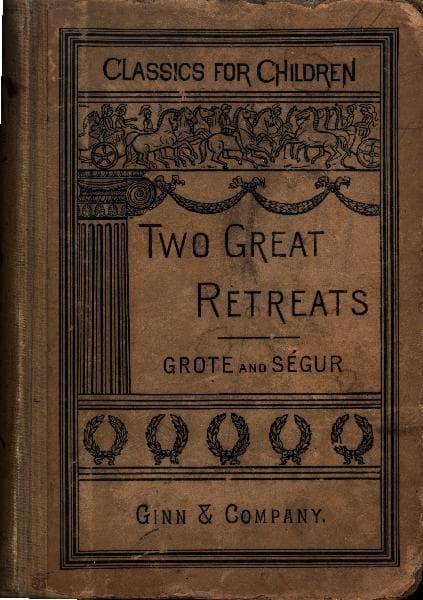
History of Greece, Volume 11 (of 12)

History of Greece, Volume 11, authored by George Grote and published in the mid-19th century, provides a detailed examination of ancient Greek history, particularly during the reign of Dionysius the Elder of Syracuse. This volume focuses on the political and military developments among Greek city-states and their interactions with external powers. Notable for its scholarly significance, this work is part of a twelve-volume series that has been recognized for its cultural importance and historical accuracy.
Editions

X-Ray
The despot of Syracuse who greatly expanded his dominion in Sicily and Southern Italy, known for his military prowess, cruelty, and literary aspirations.
The son and successor of Dionysius the Elder, initially open to philosophical influence but ultimately weak, vain, and dissolute, leading to his downfall.
A Syracusan nobleman, brother-in-law to Dionysius the Elder, profoundly influenced by Plato, who sought to liberate Syracuse from despotism but ultimately failed due to his own autocratic tendencies and assassination.
The renowned Athenian philosopher who visited Syracuse twice, attempting to influence Dionysius the Younger towards a more just rule, and profoundly shaping Dion's political ideals.
About History of Greece, Volume 11 (of 12)
Chapter Summaries
- LXXXIII
- This chapter details the latter part of Dionysius the Elder's reign, marked by his consolidation of power in Sicily, re-establishment of Messênê, and conquests in Southern Italy against Greek cities like Rhegium and Kaulonia. It describes his brutal treatment of Phyton, his plundering of temples, and his attempts to gain renown through poetic compositions at the Olympic festival, where he faced public scorn. The chapter concludes with his death from fever after a successful tragedy at the Lenæan festival, leaving behind a powerful but oppressive empire.
- LXXXIV
- This chapter focuses on the succession of Dionysius the Younger and the influence of Dion, who, inspired by Plato, sought to transform the despotism into a constitutional monarchy. Plato's visits to Syracuse and his attempts to educate the young despot are detailed, alongside the intrigues of Philistus and other courtiers. Dion is eventually exiled, his property confiscated, and his wife remarried, leading him to plan an armed return to liberate Syracuse.
- LXXXV
- This chapter covers the tumultuous period in Syracuse after Dion's assassination, marked by misrule, despots, and renewed Carthaginian threats. The Syracusans appeal to Corinth, leading to the mission of Timoleon, a virtuous and skilled general. Timoleon successfully expels Dionysius the Younger, defeats Hiketas and the Carthaginians, and liberates numerous Sicilian cities, establishing free, democratic constitutions before voluntarily relinquishing his power and dying revered by the Sicilians.
Key Themes
- Despotism vs. Liberty
- This is a core theme, explored through the reigns of Dionysius the Elder and Younger, Dion's failed attempt at liberation, and Timoleon's successful restoration of freedom. The narrative consistently contrasts the oppression and instability of tyrannical rule with the ideals of self-governance and law-based society, though often highlighting the difficulties of maintaining liberty.
- Greek Disunity and Foreign Aggression
- The book vividly illustrates how internal rivalries and lack of cooperation among Greek city-states (e.g., Athens, Sparta, Thebes, Sicilian Greeks) made them vulnerable to external powers. Philip of Macedon and Carthage exploit this disunity, leading to the subjugation of numerous Greek communities and the decline of Pan-Hellenic independence.
- The Role of Fortune and Divine Favor
- The narrative frequently attributes significant events, especially unexpected turns of fortune, to divine intervention. Pestilences crippling Carthaginian armies, favorable omens for Timoleon, or storms aiding one side over another, are presented as direct manifestations of the gods' will, shaping the course of history and influencing human morale.
Characters
- Dionysius the Elder(antagonist)
- The despot of Syracuse who greatly expanded his dominion in Sicily and Southern Italy, known for his military prowess, cruelty, and literary aspirations.
- Dionysius the Younger(antagonist)
- The son and successor of Dionysius the Elder, initially open to philosophical influence but ultimately weak, vain, and dissolute, leading to his downfall.
- Dion(protagonist)
- A Syracusan nobleman, brother-in-law to Dionysius the Elder, profoundly influenced by Plato, who sought to liberate Syracuse from despotism but ultimately failed due to his own autocratic tendencies and assassination.
- Plato(supporting)
- The renowned Athenian philosopher who visited Syracuse twice, attempting to influence Dionysius the Younger towards a more just rule, and profoundly shaping Dion's political ideals.
- Timoleon(protagonist)
- A Corinthian general renowned for his integrity, patriotism, and military skill, who liberated Syracuse and other Sicilian cities from despots and Carthaginians, then voluntarily laid down his power.
- Philip II of Macedon(antagonist)
- The ambitious and indefatigable king of Macedon who, through military innovation, diplomacy, and corruption, expanded his kingdom and subjugated the Greek city-states, becoming their recognized leader.
Link to this book
Add a free, dofollow link to Lex on your blog, forum, syllabus, or reading list.

<a href="https://lex-books.com/book/history-of-greece-volume-11-of-12-e986e586-d8cd-412d-9eb5-b1bf113c3b5d"><img src="https://lex-books.com/badges/read-on-lex.svg" alt="Read History of Greece, Volume 11 (of 12) by George Grote free on Lex" width="160" height="40"></a>[](https://lex-books.com/book/history-of-greece-volume-11-of-12-e986e586-d8cd-412d-9eb5-b1bf113c3b5d)[url=https://lex-books.com/book/history-of-greece-volume-11-of-12-e986e586-d8cd-412d-9eb5-b1bf113c3b5d][img]https://lex-books.com/badges/read-on-lex.svg[/img][/url]Read History of Greece, Volume 11 (of 12) by George Grote free on Lex: https://lex-books.com/book/history-of-greece-volume-11-of-12-e986e586-d8cd-412d-9eb5-b1bf113c3b5dCite this book
Reading this edition for a paper or guide? Copy a citation.
Grote, George. History of Greece, Volume 11 (of 12). Lex, lex-books.com/book/history-of-greece-volume-11-of-12-e986e586-d8cd-412d-9eb5-b1bf113c3b5d.Grote, G. (n.d.). History of Greece, Volume 11 (of 12). Lex. https://lex-books.com/book/history-of-greece-volume-11-of-12-e986e586-d8cd-412d-9eb5-b1bf113c3b5dGrote, George. History of Greece, Volume 11 (of 12). Lex. https://lex-books.com/book/history-of-greece-volume-11-of-12-e986e586-d8cd-412d-9eb5-b1bf113c3b5d.