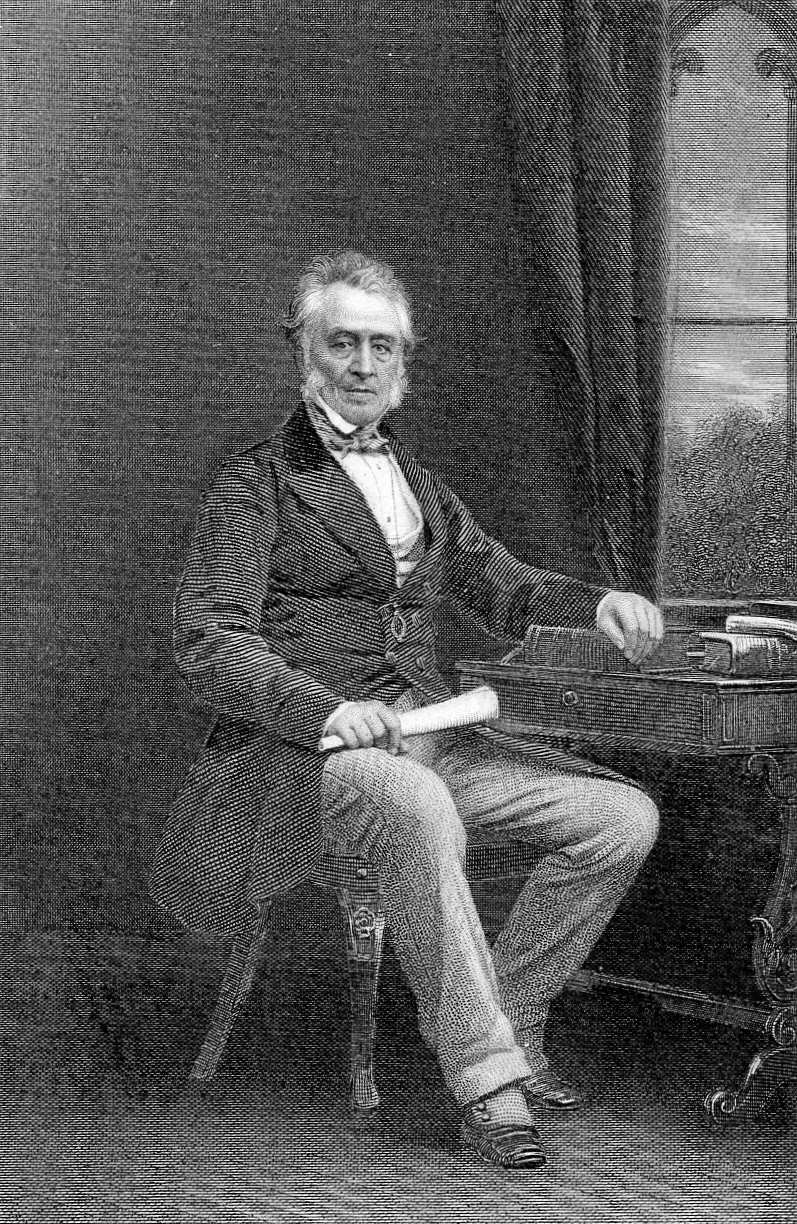
History of Greece, Volume 08 (of 12)
1850

Volume eight of Grote's monumental history examines one of antiquity's most perilous political moments: Athens teetering between democracy's collapse and oligarchic coup, while Persia pulls strings from the shadows. Grote traces the aftermath of Athenian military reverses, the resurgence of conservative factions hungry for power, and above all, the sensational career of Alcibiades the opportunist, whose defection to the Persian satrap Tissaphernes reshapes the war's trajectory. This is political history at its most Machiavellian, revealing how the lines between Athenian, Spartan, and Persian interests blurred into a game of duplicity that would doom the Delian League. Grote, writing in 1850, brings Victorian moral seriousness to bear on ancient betrayal, examining how personal ambition, factional greed, and foreign gold combined to topple an empire. For readers who believe history is ultimately about power and its exercise, this volume offers an unparalleled account of democracy's first great failure.
Editions

X-Ray
An unprincipled, energetic, and treacherous Athenian politician and general who constantly shifts alliances between Athens, Sparta, and Persia for his own ambition.
A Persian satrap known for his duplicity, who aims to prolong the Peloponnesian War to weaken both Greek parties, often using Alkibiadês as an instrument.
A leading Athenian oligarch who spearheaded the conspiracy of the Four Hundred, using the promise of Persian aid to subvert democracy.
A sagacious Athenian general who initially opposed Alkibiadês's oligarchical schemes, but later became a key figure in the Four Hundred, only to be assassinated.
About History of Greece, Volume 08 (of 12)
Chapter Summaries
- LXII
- Athens rallies after the Syracuse defeat. Alkibiadês, exiled, advises Tissaphernês to prolong the war and instigates an oligarchical revolution in Athens, promising Persian aid. Peisander organizes Athenian oligarchic clubs, and Antiphon establishes a reign of terror through assassinations. The Four Hundred seize power, but the Athenian armament at Samos, led by Thrasybulus, reconstitutes democracy and rejects the oligarchy, leading to the Four Hundred's downfall after a naval defeat at Eretria.
- LXIII
- After the Four Hundred's fall, the Athenian democracy is restored. Peloponnesian fleet under Astyochus is hampered by Tissaphernês's duplicity. Mindarus replaces Astyochus, breaks with Tissaphernês, and moves to the Hellespont, where Alkibiadês, Theramenês, and Thrasybulus achieve a decisive victory at Kyzikus, destroying the Peloponnesian fleet. Athens rejects Spartan peace overtures, establishes a toll at Chrysopolis, and recaptures Byzantium and Chalkêdon. Athenian envoys, escorted by Pharnabazus, journey to Susa, meeting Cyrus the Younger.
- LXIV
- Cyrus the Younger arrives in Asia Minor, bringing strong anti-Athenian sentiment and ample funds, supporting Lysander as the new Spartan admiral. Lysander cultivates pro-Spartan factions in Asiatic cities. Alkibiadês returns to Athens to a triumphant reception, but his subsequent negligence and the defeat at Notium lead to his dismissal. Kallikratidas, a noble Spartan, replaces Lysander but faces internal opposition and is defeated and killed at the Battle of Arginusæ, a costly Athenian victory.
Key Themes
- Democracy vs. Oligarchy
- This theme is central, illustrating the constant internal struggle within Athens and its allied cities. The text details the rise and fall of the Four Hundred and the Thirty Tyrants, showcasing the Athenian people's deep attachment to their democratic institutions and their resilience in restoring them, often with remarkable moderation. It contrasts the public-spiritedness of democracy with the self-serving ambition and cruelty of oligarchic factions.
- Treason and Political Intrigue
- The narrative is replete with examples of betrayal and cunning. Figures like Alkibiadês, Tissaphernês, and Lysander constantly employ deception, shifting alliances, and underhanded tactics to advance their personal or factional interests, often at the expense of their own states or allies. This highlights the moral decay and ruthless pragmatism that permeated Greek politics during the war.
- War's Corrupting Influence
- The Peloponnesian War is depicted as a prolonged and exhausting conflict that not only depletes resources but also erodes moral standards. It creates an environment where cruelty, rapacity, and the pursuit of selfish ambition become normalized, leading to atrocities like the execution of generals after Arginusæ and the tyranny of the Thirty, demonstrating how prolonged conflict can degrade societal values.
Characters
- Alkibiadês(protagonist)
- An unprincipled, energetic, and treacherous Athenian politician and general who constantly shifts alliances between Athens, Sparta, and Persia for his own ambition.
- Tissaphernês(antagonist)
- A Persian satrap known for his duplicity, who aims to prolong the Peloponnesian War to weaken both Greek parties, often using Alkibiadês as an instrument.
- Peisander(antagonist)
- A leading Athenian oligarch who spearheaded the conspiracy of the Four Hundred, using the promise of Persian aid to subvert democracy.
- Phrynichus(supporting)
- A sagacious Athenian general who initially opposed Alkibiadês's oligarchical schemes, but later became a key figure in the Four Hundred, only to be assassinated.
- Antiphon(antagonist)
- A preeminent Athenian rhetorical teacher and the mastermind behind the organization and execution of the Four Hundred oligarchical conspiracy, employing systematic assassination and terror.
- Theramenês(supporting)
- A cunning and ambitious Athenian politician, initially a key conspirator in the Four Hundred and later the Thirty, but known for shifting alliances and opposing extreme cruelties.
Link to this book
Add a free, dofollow link to Lex on your blog, forum, syllabus, or reading list.

<a href="https://lex-books.com/book/history-of-greece-volume-08-of-12-2d87acd9-27f3-4f5b-b061-9b3d53a85d03"><img src="https://lex-books.com/badges/read-on-lex.svg" alt="Read History of Greece, Volume 08 (of 12) by George Grote free on Lex" width="160" height="40"></a>[](https://lex-books.com/book/history-of-greece-volume-08-of-12-2d87acd9-27f3-4f5b-b061-9b3d53a85d03)[url=https://lex-books.com/book/history-of-greece-volume-08-of-12-2d87acd9-27f3-4f5b-b061-9b3d53a85d03][img]https://lex-books.com/badges/read-on-lex.svg[/img][/url]Read History of Greece, Volume 08 (of 12) by George Grote free on Lex: https://lex-books.com/book/history-of-greece-volume-08-of-12-2d87acd9-27f3-4f5b-b061-9b3d53a85d03Cite this book
Reading this edition for a paper or guide? Copy a citation.
Grote, George. History of Greece, Volume 08 (of 12). Lex, lex-books.com/book/history-of-greece-volume-08-of-12-2d87acd9-27f3-4f5b-b061-9b3d53a85d03.Grote, G. (1850). History of Greece, Volume 08 (of 12). Lex. https://lex-books.com/book/history-of-greece-volume-08-of-12-2d87acd9-27f3-4f5b-b061-9b3d53a85d03Grote, George. History of Greece, Volume 08 (of 12). Lex. https://lex-books.com/book/history-of-greece-volume-08-of-12-2d87acd9-27f3-4f5b-b061-9b3d53a85d03.