Aristotle
1872
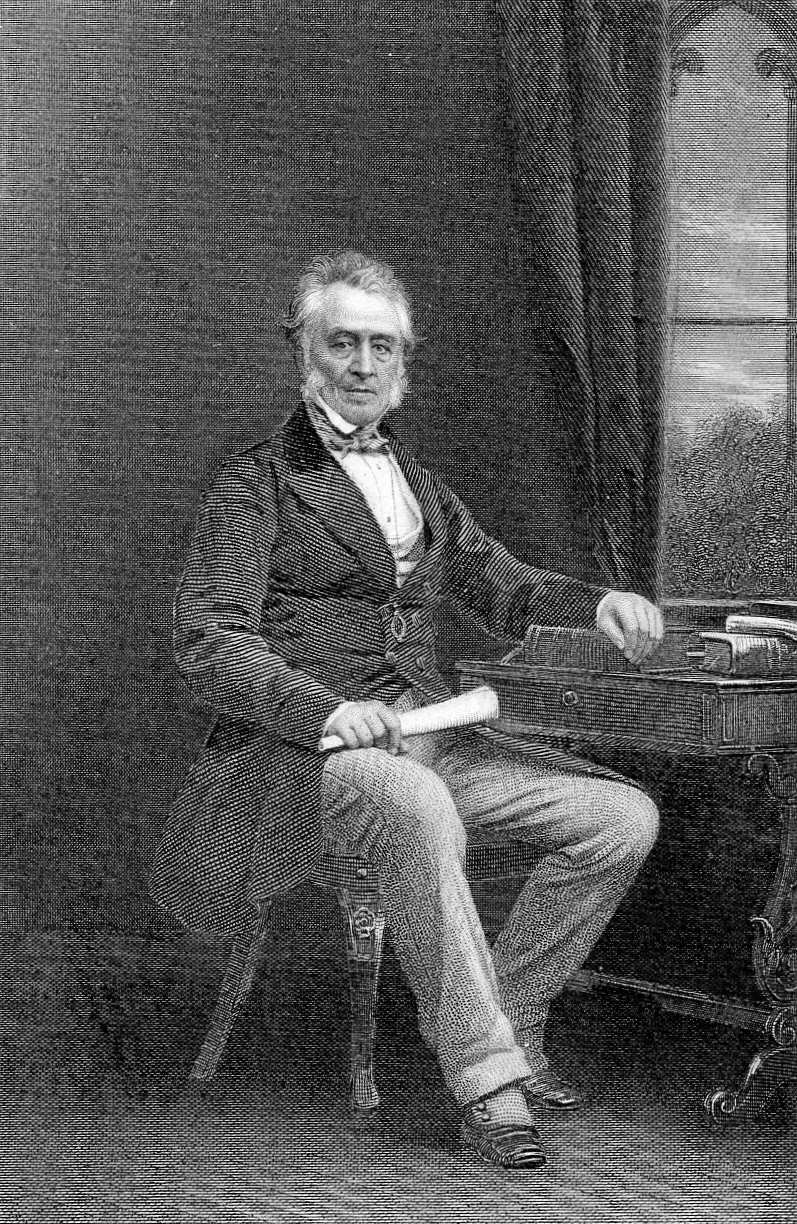
Victorian scholarship at its most ambitious: a meticulous reckoning with the philosopher who shaped the entire Western intellectual tradition. George Grote, himself a towering figure in 19th-century thought, traces Aristotle's journey from orphaned son of a Macedonian physician to student at Plato's Academy to tutor of Alexander the Great to founder of the Lyceum. But this is far more than biography. Grote illuminates how Aristotle revolutionized philosophy by rejecting Plato's abstract Forms in favor of empirical observation and systematic analysis, laying the groundwork for what we now call science. The book delves deeply into Aristotle's ethical and political theories, his conception of happiness as activity in accordance with virtue, and his nuanced analysis of constitutions. Grote's achievement is making Aristotle feel not like a dusty monument but like a living interlocutor whose questions about causation, purpose, and the good life remain urgent today. For readers seeking to understand where Western thought came from and why it still matters, this is an indispensable guide written by someone who believed philosophy was the highest human activity.
Editions
Link to this book
Add a free, dofollow link to Lex on your blog, forum, syllabus, or reading list.

<a href="https://lex-books.com/book/aristotle-0632828d-b51d-4ebb-8fd3-cdd0dbdc0429"><img src="https://lex-books.com/badges/read-on-lex.svg" alt="Read Aristotle by George Grote free on Lex" width="160" height="40"></a>[](https://lex-books.com/book/aristotle-0632828d-b51d-4ebb-8fd3-cdd0dbdc0429)[url=https://lex-books.com/book/aristotle-0632828d-b51d-4ebb-8fd3-cdd0dbdc0429][img]https://lex-books.com/badges/read-on-lex.svg[/img][/url]Read Aristotle by George Grote free on Lex: https://lex-books.com/book/aristotle-0632828d-b51d-4ebb-8fd3-cdd0dbdc0429Cite this book
Reading this edition for a paper or guide? Copy a citation.
Grote, George. Aristotle. Lex, lex-books.com/book/aristotle-0632828d-b51d-4ebb-8fd3-cdd0dbdc0429.Grote, G. (1872). Aristotle. Lex. https://lex-books.com/book/aristotle-0632828d-b51d-4ebb-8fd3-cdd0dbdc0429Grote, George. Aristotle. Lex. https://lex-books.com/book/aristotle-0632828d-b51d-4ebb-8fd3-cdd0dbdc0429.