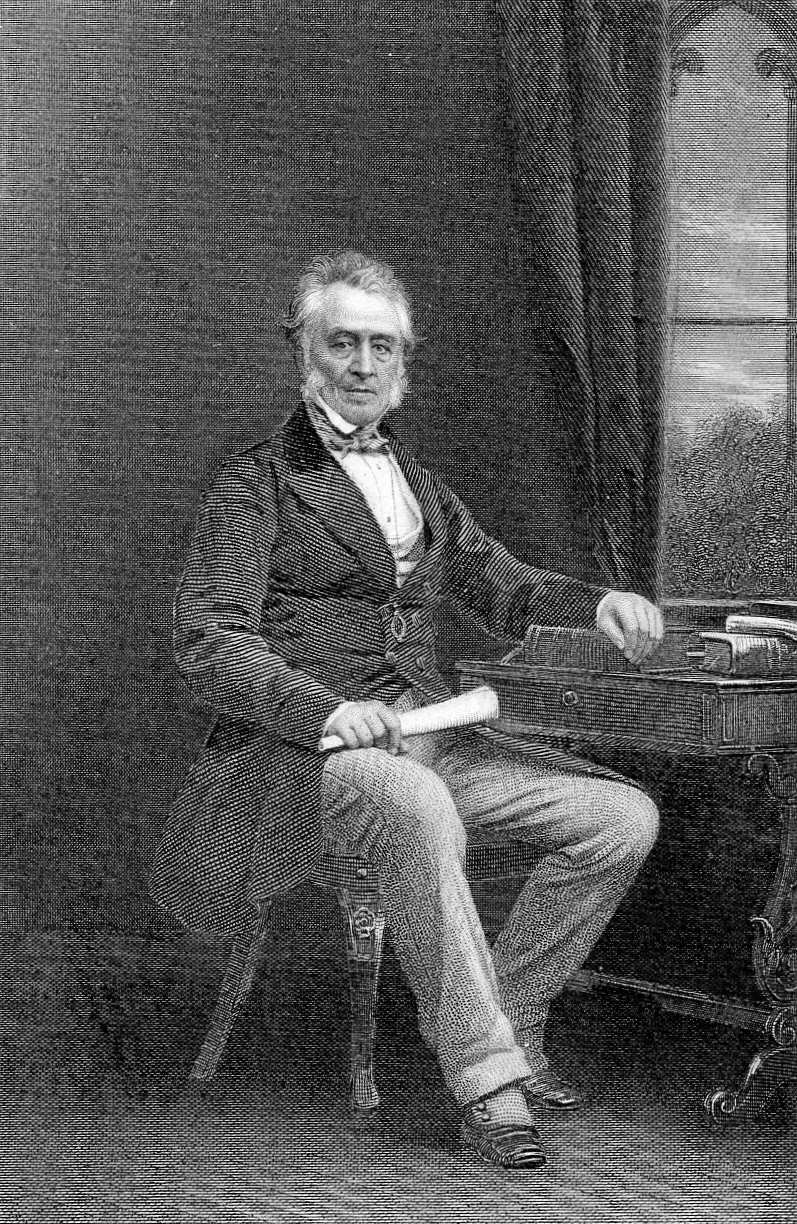
History of Greece, Volume 09 (of 12)

History of Greece, Volume 09 (of 12)
History of Greece, Volume 09, authored by George Grote in the late 19th century, provides a detailed account of Cyrus the Younger's military expeditions and the interactions between the Greeks and the Persian Empire. This volume begins with the aftermath of the Peloponnesian War and the rise of Spartan power, leading to Cyrus's ambitious plans to secure the Persian throne. The narrative highlights the gathering of Greek mercenaries and their challenging campaign, emphasizing themes of personal ambition, political intrigue, and the adventurous spirit of the Greek soldiers. It is a significant work in the study of Greek history and its cultural implications.
Editions

X-Ray
An ambitious Persian prince who raises a Greek mercenary army to usurp his elder brother Artaxerxes Mnemon, demonstrating remarkable leadership and a keen appreciation for Greek military prowess.
The Persian king, elder brother of Cyrus, who ultimately defeats and kills Cyrus at the Battle of Kunaxa, but is characterized by timidity and reliance on treachery.
An Athenian volunteer who becomes a pivotal leader of the Ten Thousand Greeks during their epic retreat, renowned for his eloquence, military ingenuity, and ability to inspire his troops.
A Lacedaemonian mercenary general in Cyrus's army, known for his harsh discipline and military experience, but also for his fatal credulity in dealing with Tissaphernes.
About History of Greece, Volume 09 (of 12)
Chapter Summaries
- LXIX
- Cyrus the Younger, a Persian prince, assembles a Greek mercenary army (the Ten Thousand) under false pretenses to challenge his brother Artaxerxes Mnemon for the throne. Despite initial mutiny at Tarsus, overcome by Klearchus, the army marches to Babylonia. In the ensuing Battle of Kunaxa, Cyrus is killed, even though the Greeks achieve an easy victory on their flank.
- LXX
- Following Cyrus's death, the Greeks are dismayed but refuse to surrender. Tissaphernes, feigning friendship, treacherously seizes and executes Klearchus and other generals. Xenophon emerges as a de facto leader, inspiring the demoralized army to begin their epic retreat through hostile Karduchian mountains and the harsh Armenian winter, eventually reaching the Euxine Sea at Trapezus.
- LXXI
- At Trapezus, the Greeks debate their next steps, with Xenophon proposing colonization or seeking transports. After Cheirisophus's failure and death, Xenophon declines sole command amidst intrigues from other officers and the prophet Silanus. The army faces further treachery from Spartan harmosts Anaxibius and Aristarchus, and the Thracian prince Seuthes, but Xenophon's leadership repeatedly saves them, ultimately leading them to join the Lacedaemonian army under Thimbron in Asia Minor.
Key Themes
- Ambition and Power
- This theme is central, driving Cyrus's attempt to seize the Persian throne, Lysander's establishment of Dekarchies, and Agesilaus's Pan-hellenic aspirations. It highlights how individuals and states relentlessly pursued dominance, often leading to conflict and moral compromise.
- Treachery and Deception
- The narrative is rife with instances of betrayal, from Tissaphernes's perfidy against the Greek generals to Anaxibius's and Aristarchus's harsh dealings with the Cyreians. It underscores the precariousness of alliances and the moral decay in political and military conduct during this era.
- Greek Military Prowess vs. Persian Impotence
- The Anabasis vividly demonstrates the superior discipline, courage, and adaptability of Greek mercenary forces against the vast but often disorganized Persian armies. This contrast significantly influenced Greek perceptions and future military strategies against Persia.
Characters
- Cyrus the Younger(protagonist)
- An ambitious Persian prince who raises a Greek mercenary army to usurp his elder brother Artaxerxes Mnemon, demonstrating remarkable leadership and a keen appreciation for Greek military prowess.
- Artaxerxes Mnemon(antagonist)
- The Persian king, elder brother of Cyrus, who ultimately defeats and kills Cyrus at the Battle of Kunaxa, but is characterized by timidity and reliance on treachery.
- Xenophon(protagonist)
- An Athenian volunteer who becomes a pivotal leader of the Ten Thousand Greeks during their epic retreat, renowned for his eloquence, military ingenuity, and ability to inspire his troops.
- Klearchus(supporting)
- A Lacedaemonian mercenary general in Cyrus's army, known for his harsh discipline and military experience, but also for his fatal credulity in dealing with Tissaphernes.
- Tissaphernes(antagonist)
- A Persian satrap, initially a rival of Cyrus, who later becomes Artaxerxes's general and treacherously betrays the Greek generals during their retreat.
- Agesilaus(protagonist)
- A Spartan king who rises to prominence, leading campaigns in Asia Minor against Persia and later in Greece during the Corinthian War, known for his military skill, ambition, and strong anti-Theban sentiment.
Link to this book
Add a free, dofollow link to Lex on your blog, forum, syllabus, or reading list.

<a href="https://lex-books.com/book/history-of-greece-volume-09-of-12-b51f241a-ebb8-424e-a991-a7c5061e8918"><img src="https://lex-books.com/badges/read-on-lex.svg" alt="Read History of Greece, Volume 09 (of 12) by George Grote free on Lex" width="160" height="40"></a>[](https://lex-books.com/book/history-of-greece-volume-09-of-12-b51f241a-ebb8-424e-a991-a7c5061e8918)[url=https://lex-books.com/book/history-of-greece-volume-09-of-12-b51f241a-ebb8-424e-a991-a7c5061e8918][img]https://lex-books.com/badges/read-on-lex.svg[/img][/url]Read History of Greece, Volume 09 (of 12) by George Grote free on Lex: https://lex-books.com/book/history-of-greece-volume-09-of-12-b51f241a-ebb8-424e-a991-a7c5061e8918Cite this book
Reading this edition for a paper or guide? Copy a citation.
Grote, George. History of Greece, Volume 09 (of 12). Lex, lex-books.com/book/history-of-greece-volume-09-of-12-b51f241a-ebb8-424e-a991-a7c5061e8918.Grote, G. (n.d.). History of Greece, Volume 09 (of 12). Lex. https://lex-books.com/book/history-of-greece-volume-09-of-12-b51f241a-ebb8-424e-a991-a7c5061e8918Grote, George. History of Greece, Volume 09 (of 12). Lex. https://lex-books.com/book/history-of-greece-volume-09-of-12-b51f241a-ebb8-424e-a991-a7c5061e8918.