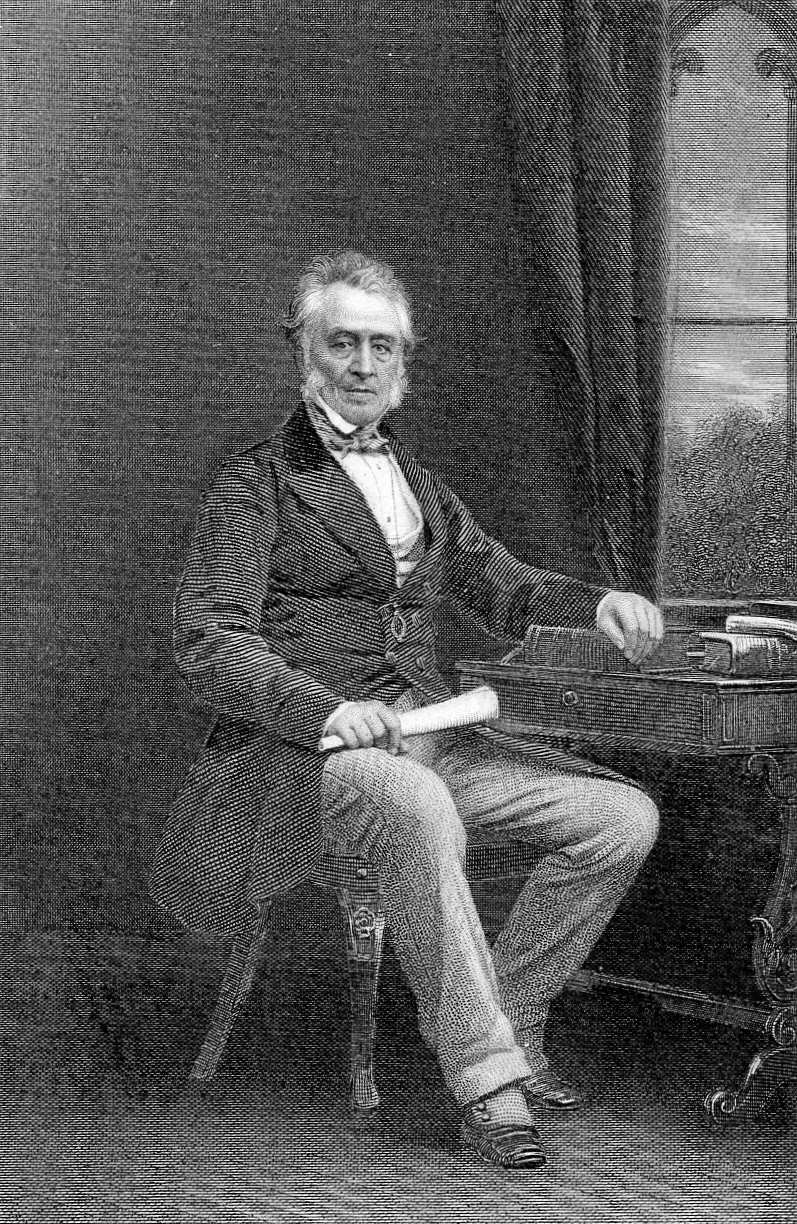
History of Greece, Volume 04 (of 12)

History of Greece, Volume 04, authored by George Grote and published in the late 19th century, continues the comprehensive examination of ancient Greek history. This volume focuses on the interactions and dynamics among various tribes, including the Illyrians, Macedonians, and Pæonians, as well as their relationships with Greek colonies. Grote's work is notable for its detailed analysis of the geographical, sociopolitical, and cultural aspects of classical antiquity, making it a foundational text for the study of Greek history.
Editions

X-Ray
An Argeian Greek exile who, along with his brothers, established the dynasty of Edessa, becoming the founder of the Macedonian royal line.
King of Macedon, who had friendly connections with the Peisistratid princes at Athens.
The œkist (founder) from Thêra who, guided by the Delphian oracle, established the Greek colony of Kyrênê in Libya.
A wise citizen from Mantineia invited to Kyrênê to reform its government, who ended the Battiad regal prerogative and established a republican system.
About History of Greece, Volume 04 (of 12)
Chapter Summaries
- XXV
- This chapter describes the geographical distribution and characteristics of the Illyrians, Macedonians, and Pæonians, barbaric tribes bordering Greece. It details the early Macedonian dynasty of Edessa, founded by Argeian Greeks like Perdikkas, and their gradual expansion, noting the contrast between Greek military organization and barbaric disunity.
- XXVI
- The chapter outlines the numerous and warlike Thracian tribes, their customs, and their interactions with Greek colonies. It details the early Chalkidic and Eretrian settlements on the Chalkidic peninsula, including Methônê, Potidæa, Akanthus, and Stageira, as well as other Greek settlements on the Hellespont and Euxine, like Byzantium and Thasus.
- XXVII
- This chapter recounts the foundation of Kyrênê by Battus from Thêra, its early struggles, and eventual prosperity due to new colonists and local resources like Silphium. It details the Battiad dynasty, internal conflicts leading to the foundation of Barka, the reform by Demônax, and the eventual Persian intervention under Kambysês and Aryandes, which saw Barka's capture and the Battiads' temporary restoration.
Key Themes
- Freedom vs. Despotism
- This theme is central, contrasting the vibrant energy and military success of democratic Athens after the expulsion of the Peisistratids with the stagnation and weakness under tyranny. The Ionians' initial submission to despots, and their subsequent revolt for freedom, further highlight this tension. Grote emphasizes that freedom is a 'valuable thing' that unlocks a people's full potential.
- Pan-Hellenic Unity and Disunity
- The book explores the nascent and often fragile sense of Greek unity, particularly through shared religious festivals like the Olympic and Pythian games. However, it also details the persistent political disunity, rivalries (e.g., Sparta vs. Argos, Athens vs. Aegina), and self-serving actions of individual city-states and despots, which frequently undermined collective action against external threats like Persia.
- Clash of Civilizations
- The narrative vividly portrays the confrontation between the Greek world and the expanding Persian Empire. This clash is not only military but also cultural, highlighting differences in political systems (democracy vs. monarchy), societal values (Greek emphasis on freedom vs. Persian contempt for trade), and military tactics. The Persian invasions serve as a catalyst for Greek self-awareness and unity.
Characters
- Perdikkas(minor)
- An Argeian Greek exile who, along with his brothers, established the dynasty of Edessa, becoming the founder of the Macedonian royal line.
- Amyntas(minor)
- King of Macedon, who had friendly connections with the Peisistratid princes at Athens.
- Battus (founder of Kyrênê)(protagonist)
- The œkist (founder) from Thêra who, guided by the Delphian oracle, established the Greek colony of Kyrênê in Libya.
- Demônax(supporting)
- A wise citizen from Mantineia invited to Kyrênê to reform its government, who ended the Battiad regal prerogative and established a republican system.
- Peisistratus(antagonist)
- The despot of Athens who twice lost and twice regained power through stratagem and force, ruling with his sons for fifty years.
- Hippias(antagonist)
- The eldest son and successor of Peisistratus, whose rule became cruel and oppressive after his brother's assassination, leading to his expulsion from Athens.
Link to this book
Add a free, dofollow link to Lex on your blog, forum, syllabus, or reading list.

<a href="https://lex-books.com/book/history-of-greece-volume-04-of-12-71ab0255-7472-4533-a2c0-b9b0c2c9af52"><img src="https://lex-books.com/badges/read-on-lex.svg" alt="Read History of Greece, Volume 04 (of 12) by George Grote free on Lex" width="160" height="40"></a>[](https://lex-books.com/book/history-of-greece-volume-04-of-12-71ab0255-7472-4533-a2c0-b9b0c2c9af52)[url=https://lex-books.com/book/history-of-greece-volume-04-of-12-71ab0255-7472-4533-a2c0-b9b0c2c9af52][img]https://lex-books.com/badges/read-on-lex.svg[/img][/url]Read History of Greece, Volume 04 (of 12) by George Grote free on Lex: https://lex-books.com/book/history-of-greece-volume-04-of-12-71ab0255-7472-4533-a2c0-b9b0c2c9af52Cite this book
Reading this edition for a paper or guide? Copy a citation.
Grote, George. History of Greece, Volume 04 (of 12). Lex, lex-books.com/book/history-of-greece-volume-04-of-12-71ab0255-7472-4533-a2c0-b9b0c2c9af52.Grote, G. (n.d.). History of Greece, Volume 04 (of 12). Lex. https://lex-books.com/book/history-of-greece-volume-04-of-12-71ab0255-7472-4533-a2c0-b9b0c2c9af52Grote, George. History of Greece, Volume 04 (of 12). Lex. https://lex-books.com/book/history-of-greece-volume-04-of-12-71ab0255-7472-4533-a2c0-b9b0c2c9af52.