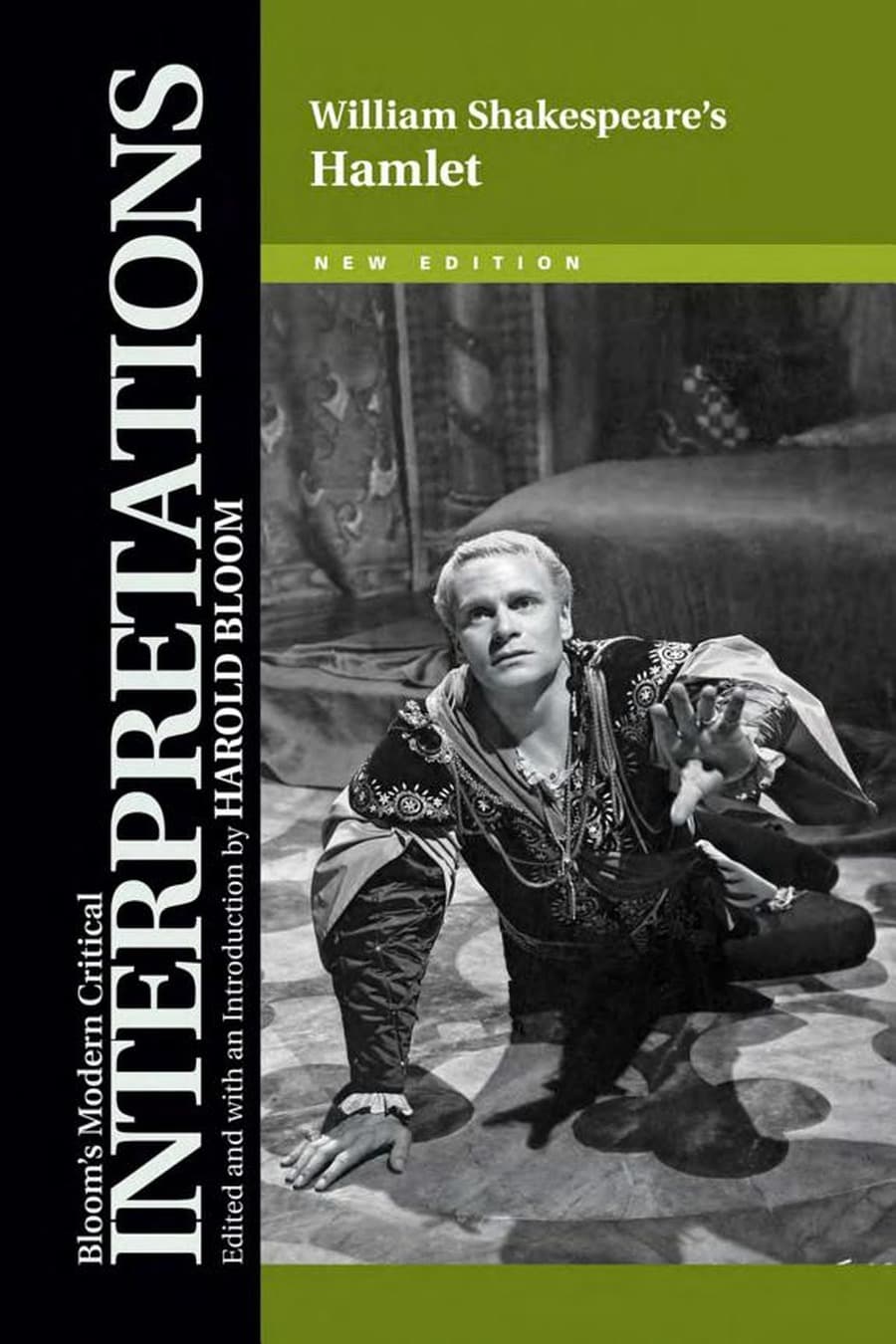
Hamlet
1603
Hamlet
1603
Translated by Paavo Emil Cajander
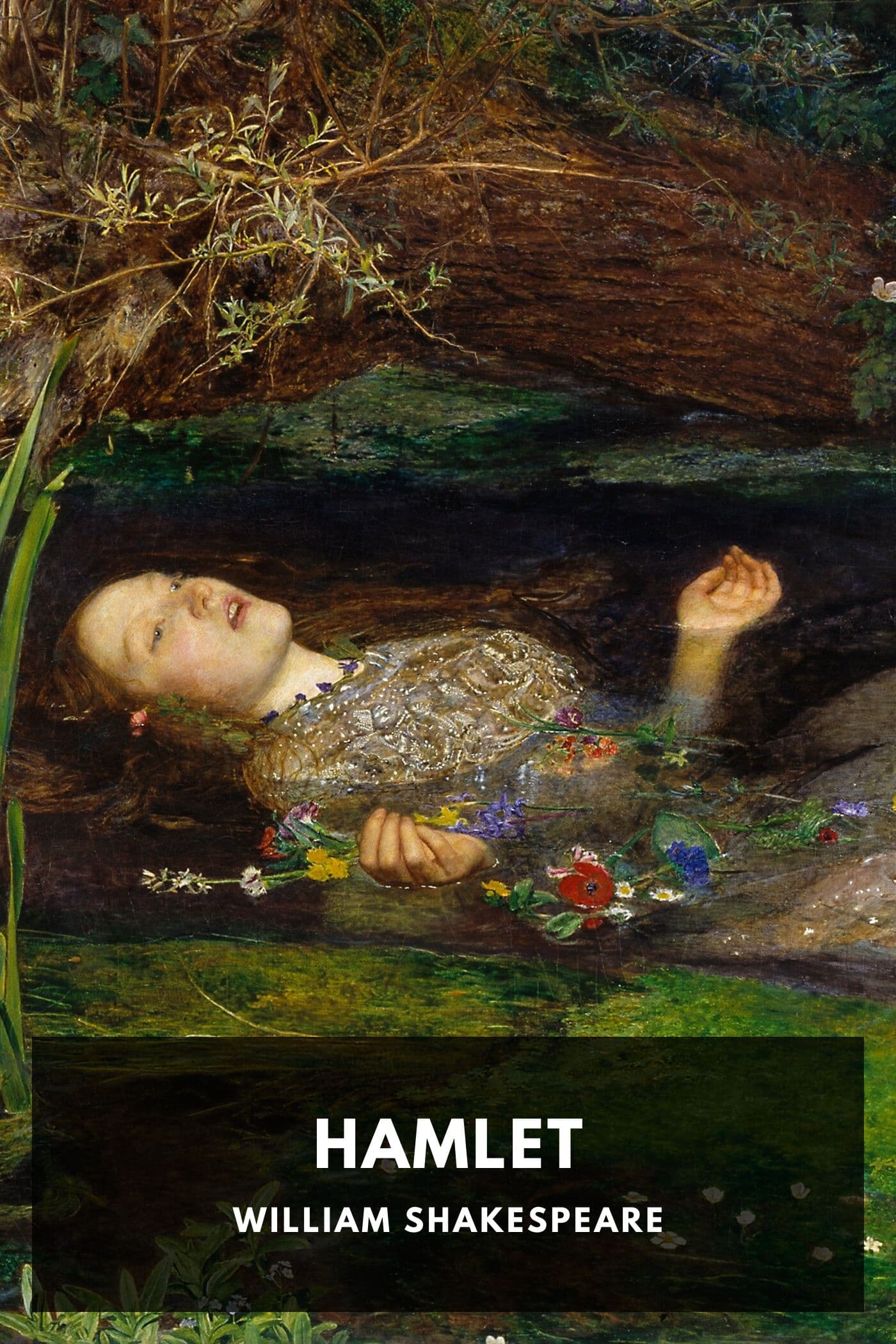
A prince who cannot stop thinking is a prince who cannot act. When Hamlet's father dies and his mother marries his uncle within months, the young prince of Denmark descends into grief that becomes philosophy, then paralysis, then something darker than madness. A ghost walks the battlements with terrible news: the king was murdered. Now Hamlet must avenge him, but the mind that sees too clearly sees too many reasons not to act at all. This is the play that redefined tragedy by making the external drama internal. What unfolds in the castle at Elsinore is not simply a revenge plot but an excavation of consciousness, a prince rotting from too much thought. The dead speak. The living lie. Acting or not acting both promise destruction. Four hundred years later, Hamlet remains the great mirror for anyone who has ever felt that the world is a prison and thought itself the trap.
Editions

X-Ray
“Doubt thou the stars are fire;Doubt that the sun doth move;Doubt truth to be a liar;But never doubt I love.””
— William Shakespeare
“There is nothing either good or bad, but thinking makes it so.””
— William Shakespeare
“This above all: to thine own self be true, And it must follow, as the night the day, Thou canst not then be false to any man.””
— William Shakespeare
“To be, or not to be: that is the question:Whether 'tis nobler in the mind to sufferThe slings and arrows of outrageous fortune,Or to take arms against a sea of troubles,And by opposing end them? To die: to sleep;No more; and by a sleep to say we endThe heart-ache and the thousand natural shocksThat flesh is heir to, 'tis a consummationDevoutly to be wish'd. To die, to sleep;To sleep: perchance to dream: ay, there's the rub;For in that sleep of death what dreams may comeWhen we have shuffled off this mortal coil,Must give us pause: there's the respectThat makes calamity of so long life;For who would bear the whips and scorns of time,The oppressor's wrong, the proud man's contumely,The pangs of despised love, the law's delay,The insolence of office and the spurnsThat patient merit of the unworthy takes,When he himself might his quietus makeWith a bare bodkin? who would fardels bear,To grunt and sweat under a weary life,But that the dread of something after death,The undiscover'd country from whose bournNo traveller returns, puzzles the willAnd makes us rather bear those ills we haveThan fly to others that we know not of?Thus conscience does make cowards of us all;And thus the native hue of resolutionIs sicklied o'er with the pale cast of thought,And enterprises of great pith and momentWith this regard their currents turn awry,And lose the name of action.--Soft you now!The fair Ophelia! Nymph, in thy orisonsBe all my sins remember'd!””
— William Shakespeare
“There are more things in Heaven and Earth, Horatio, than are dreamt of in your philosophy.””
— William Shakespeare
“To die, - To sleep, - To sleep!Perchance to dream: - ay, there's the rub;For in that sleep of death what dreams may come,When we have shuffled off this mortal coil,Must give us pause: there's the respectThat makes calamity of so long life;””
— William Shakespeare
“Though this be madness, yet there is method in't.””
— William Shakespeare
“Listen to many, speak to a few.””
— William Shakespeare
“Brevity is the soul of wit.””
— William Shakespeare
Link to this book
Add a free, dofollow link to Lex on your blog, forum, syllabus, or reading list.

<a href="https://lex-books.com/book/hamlet-1954bc52-6734-4bbb-b41b-c7015d024267"><img src="https://lex-books.com/badges/read-on-lex.svg" alt="Read Hamlet by William Shakespeare free on Lex" width="160" height="40"></a>[](https://lex-books.com/book/hamlet-1954bc52-6734-4bbb-b41b-c7015d024267)[url=https://lex-books.com/book/hamlet-1954bc52-6734-4bbb-b41b-c7015d024267][img]https://lex-books.com/badges/read-on-lex.svg[/img][/url]Read Hamlet by William Shakespeare free on Lex: https://lex-books.com/book/hamlet-1954bc52-6734-4bbb-b41b-c7015d024267Cite this book
Reading this edition for a paper or guide? Copy a citation.
Shakespeare, William. Hamlet. Lex, lex-books.com/book/hamlet-1954bc52-6734-4bbb-b41b-c7015d024267.Shakespeare, W. (1603). Hamlet. Lex. https://lex-books.com/book/hamlet-1954bc52-6734-4bbb-b41b-c7015d024267Shakespeare, William. Hamlet. Lex. https://lex-books.com/book/hamlet-1954bc52-6734-4bbb-b41b-c7015d024267.