Four Plays of Aeschylus
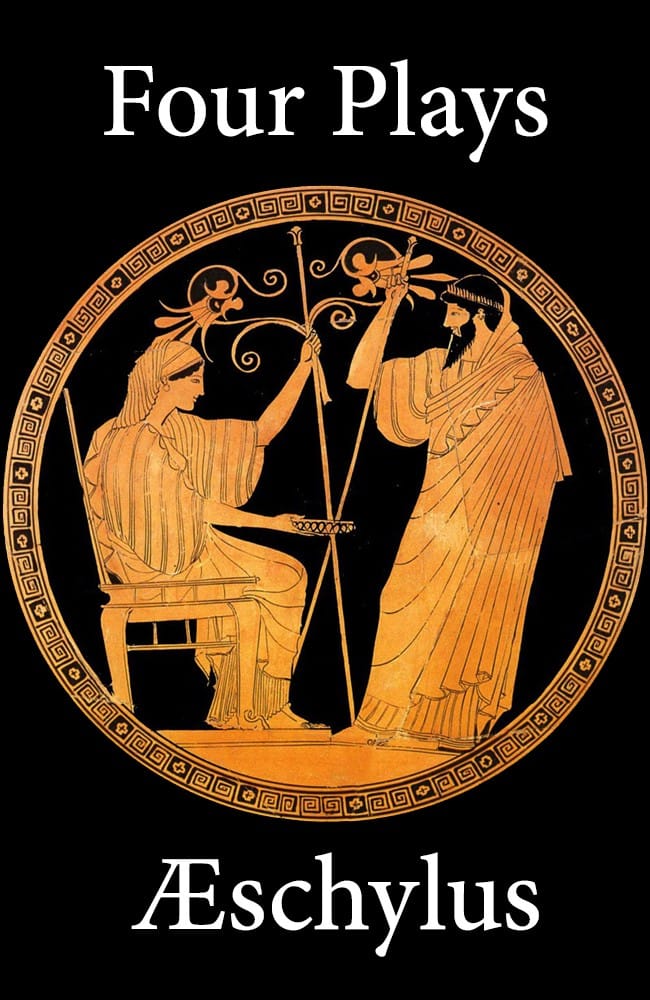
Four Plays of Aeschylus
Translated by E. D. A. (Edmund Doidge Anderson) Morshead
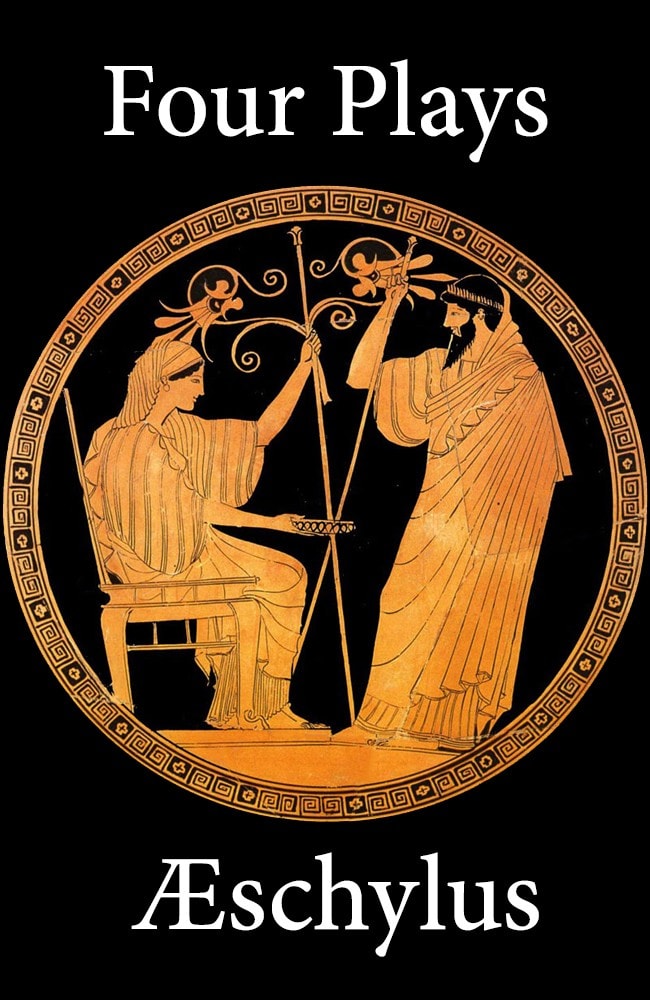
Aeschylus invented theater itself, adding the second actor who could truly speak back, and in these four plays he gave Western literature its founding myths of defiance, fate, and the terrible weight of divine power. Here is Prometheus, chained to a rock for giving fire to humanity, his body torn daily but unbroken in will. Here are the fifty daughters of Danaus, fleeing across the sea from forced marriage into the arms of a foreign king, begging for sanctuary. Here is the Persian court, learning of its army's destruction at Salamis, and the grief of a mother for her disgraced son. And here is Thebes, tearing itself apart across generations, the curse of Oedipus reaching its inevitable conclusion. These are not gentle stories. They crackle with the raw energy of a civilization learning to ask: what do we owe the gods, what do we owe each other, and what happens when we refuse? Vellacott's translation captures the muscular verse of the original, making these 2,500-year-old plays feel urgent and strange, like they were written last week. They endure because they understand something permanent about the cost of standing against power, the blindness of vengeance, and the way fate closes in.
Editions
X-Ray
“the mind of Zeus is hard to soften with prayer,””
— Aeschylus
“Plini de-ngâmfare, stârniți de mârșavă neobrăzare,Asemenea câinilor fără rușine,Nu vor s-audă vocile zeilor.””
— Aeschylus
“Aș vrea să fiu mai bine un nătâng, decât un înțelept vestind nenorociri.Să se petreacă toate minunat chiar împotriva minții mele!””
— Aeschylus
“Dreptatea luptă laolaltă cu cel care o apără la rândul său.””
— Aeschylus
“Write what I tell you in your book of memory.””
— Aeschylus
“Chiar în vârtejul relelelor dați sufletelor voastre veselia cea de toate zilele, căci pentru morți belșugul aurului nu mai are preț.””
— Aeschylus
Link to this book
Add a free, dofollow link to Lex on your blog, forum, syllabus, or reading list.

<a href="https://lex-books.com/book/four-plays-of-aeschylus-a90fb63e-de07-4d86-940f-b6292232323d"><img src="https://lex-books.com/badges/read-on-lex.svg" alt="Read Four Plays of Aeschylus by Aeschylus free on Lex" width="160" height="40"></a>[](https://lex-books.com/book/four-plays-of-aeschylus-a90fb63e-de07-4d86-940f-b6292232323d)[url=https://lex-books.com/book/four-plays-of-aeschylus-a90fb63e-de07-4d86-940f-b6292232323d][img]https://lex-books.com/badges/read-on-lex.svg[/img][/url]Read Four Plays of Aeschylus by Aeschylus free on Lex: https://lex-books.com/book/four-plays-of-aeschylus-a90fb63e-de07-4d86-940f-b6292232323dCite this book
Reading this edition for a paper or guide? Copy a citation.
Aeschylus. Four Plays of Aeschylus. Lex, lex-books.com/book/four-plays-of-aeschylus-a90fb63e-de07-4d86-940f-b6292232323d.Aeschylus (n.d.). Four Plays of Aeschylus. Lex. https://lex-books.com/book/four-plays-of-aeschylus-a90fb63e-de07-4d86-940f-b6292232323dAeschylus. Four Plays of Aeschylus. Lex. https://lex-books.com/book/four-plays-of-aeschylus-a90fb63e-de07-4d86-940f-b6292232323d.