Der Sturm, Oder Die Bezauberte Insel
1564
Der Sturm, Oder Die Bezauberte Insel
1564
Translated by Christoph Martin Wieland
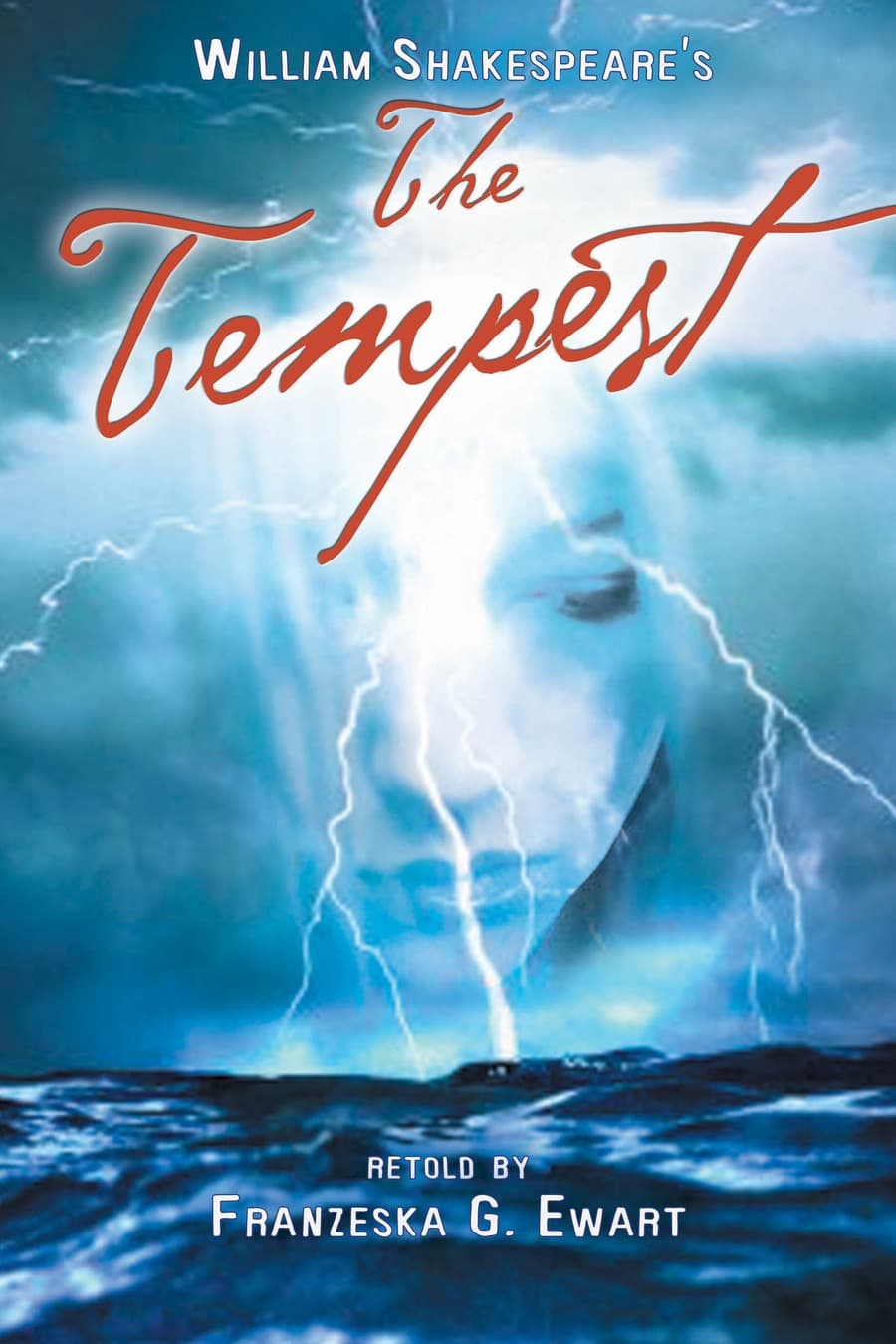
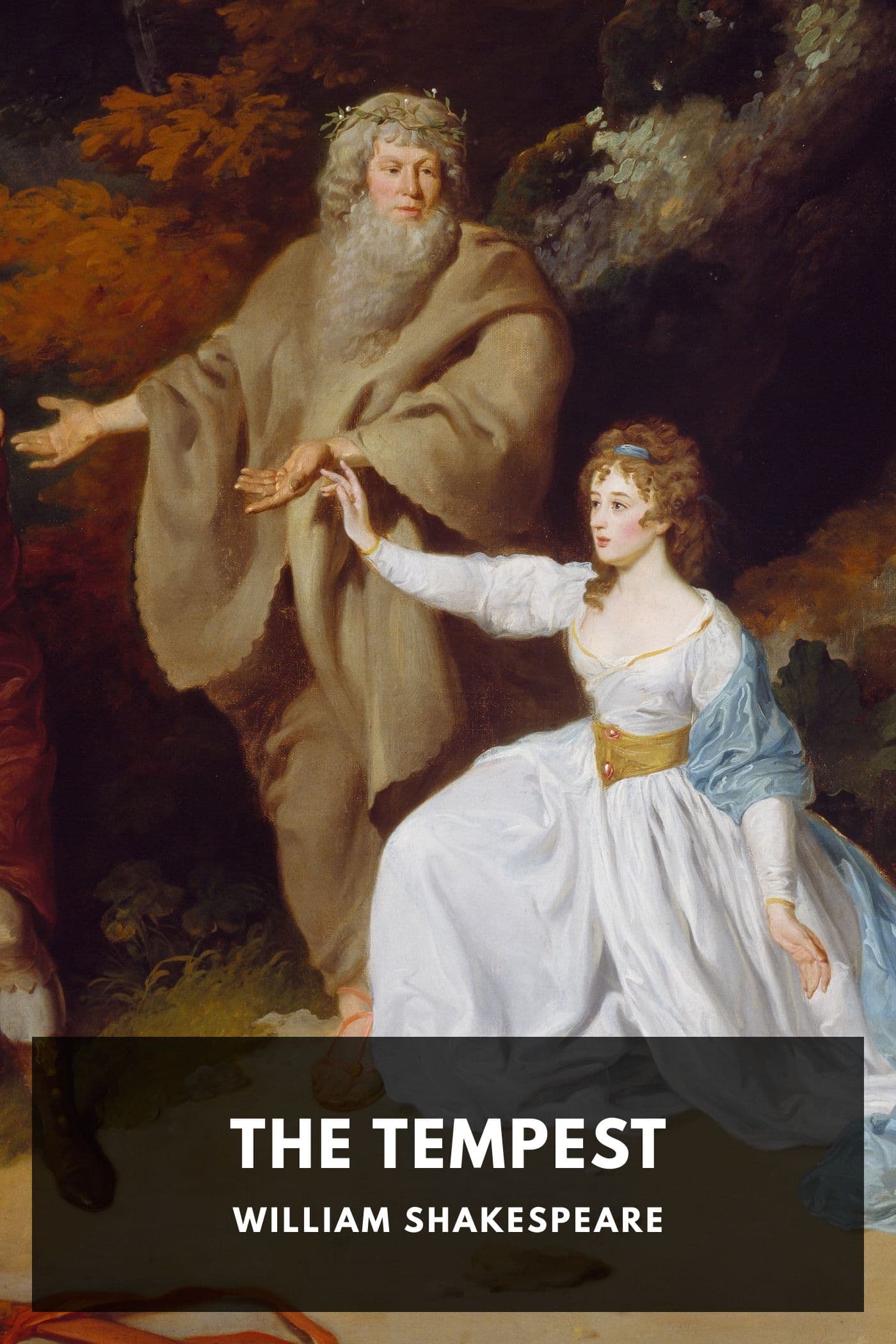
The play that closes Shakespeare's career is also his most personal: a meditation on theater, power, and the art of letting go. Prospero, rightful Duke of Milan, has been overthrown by his brother Antonio and stranded on a magical island with his daughter Miranda. Through sorcery, he orchestrates a storm that shipwrecks his enemies - including King Alonso of Naples and his son Ferdinand - on his shores. What follows is a carefully choreographed drama of recognition, romance, and reckoning, played out between the noble survivors and Prospero's strange servants: the sprite Ariel and the deformed servant Caliban. But the play works on multiple levels. It's a colonial narrative, a philosophical inquiry into the nature of illusion, and Shakespeare's farewell to the stage itself, delivered through Prospero's famous epilogue. The question of forgiveness - who deserves it, and at what cost - threads through every scene, making this strange, beautiful work feel startlingly modern despite its four centuries.
Editions
X-Ray
“Hell is empty and all the devils are here.””
— William Shakespeare
“We are such stuff as dreams are made on, and our little life is rounded with a sleep.””
— William Shakespeare
“What's past is prologue.””
— William Shakespeare
“Our revels now are ended. These our actors, As I foretold you, were all spirits and Are melted into air, into thin air: And, like the baseless fabric of this vision, The cloud-capp’d towers, the gorgeous palaces, The solemn temples, the great globe itself, Yea, all which it inherit, shall dissolve And, like this insubstantial pageant faded, Leave not a rack behind. We are such stuff As dreams are made on, and our little life Is rounded with a sleep.””
— William Shakespeare
“Me, poor man, my libraryWas dukedom large enough.””
— William Shakespeare
“O, wonder!How many goodly creatures are there here!How beauteous mankind is! O brave new world,That has such people in't!””
— William Shakespeare
“Be not afeard; the isle is full of noises,Sounds, and sweet airs, that give delight and hurt not.Sometimes a thousand twangling instrumentsWill hum about mine ears; and sometime voices,That, if I then had waked after long sleep,Will make me sleep again: and then, in dreaming,The clouds methought would open, and show richesReady to drop upon me; that, when I waked,I cried to dream again.””
— William Shakespeare
“Full fathom five thy father lies;Of his bones are coral made;Those are pearls that were his eyes:Nothing of him that doth fade,But doth suffer a sea-changeInto something rich and strange.Sea-nymphs hourly ring his knell: Ding-dong Hark! now I hear them,”
— William Shakespeare
“This thing of darkness IAcknowledge mine.””
— William Shakespeare
Link to this book
Add a free, dofollow link to Lex on your blog, forum, syllabus, or reading list.

<a href="https://lex-books.com/book/der-sturm-oder-die-bezauberte-insel-2c7ecd2e-7394-4a19-b181-c27e17df8dc1"><img src="https://lex-books.com/badges/read-on-lex.svg" alt="Read Der Sturm, Oder Die Bezauberte Insel by William Shakespeare free on Lex" width="160" height="40"></a>[](https://lex-books.com/book/der-sturm-oder-die-bezauberte-insel-2c7ecd2e-7394-4a19-b181-c27e17df8dc1)[url=https://lex-books.com/book/der-sturm-oder-die-bezauberte-insel-2c7ecd2e-7394-4a19-b181-c27e17df8dc1][img]https://lex-books.com/badges/read-on-lex.svg[/img][/url]Read Der Sturm, Oder Die Bezauberte Insel by William Shakespeare free on Lex: https://lex-books.com/book/der-sturm-oder-die-bezauberte-insel-2c7ecd2e-7394-4a19-b181-c27e17df8dc1Cite this book
Reading this edition for a paper or guide? Copy a citation.
Shakespeare, William. Der Sturm, Oder Die Bezauberte Insel. Lex, lex-books.com/book/der-sturm-oder-die-bezauberte-insel-2c7ecd2e-7394-4a19-b181-c27e17df8dc1.Shakespeare, W. (1564). Der Sturm, Oder Die Bezauberte Insel. Lex. https://lex-books.com/book/der-sturm-oder-die-bezauberte-insel-2c7ecd2e-7394-4a19-b181-c27e17df8dc1Shakespeare, William. Der Sturm, Oder Die Bezauberte Insel. Lex. https://lex-books.com/book/der-sturm-oder-die-bezauberte-insel-2c7ecd2e-7394-4a19-b181-c27e17df8dc1.