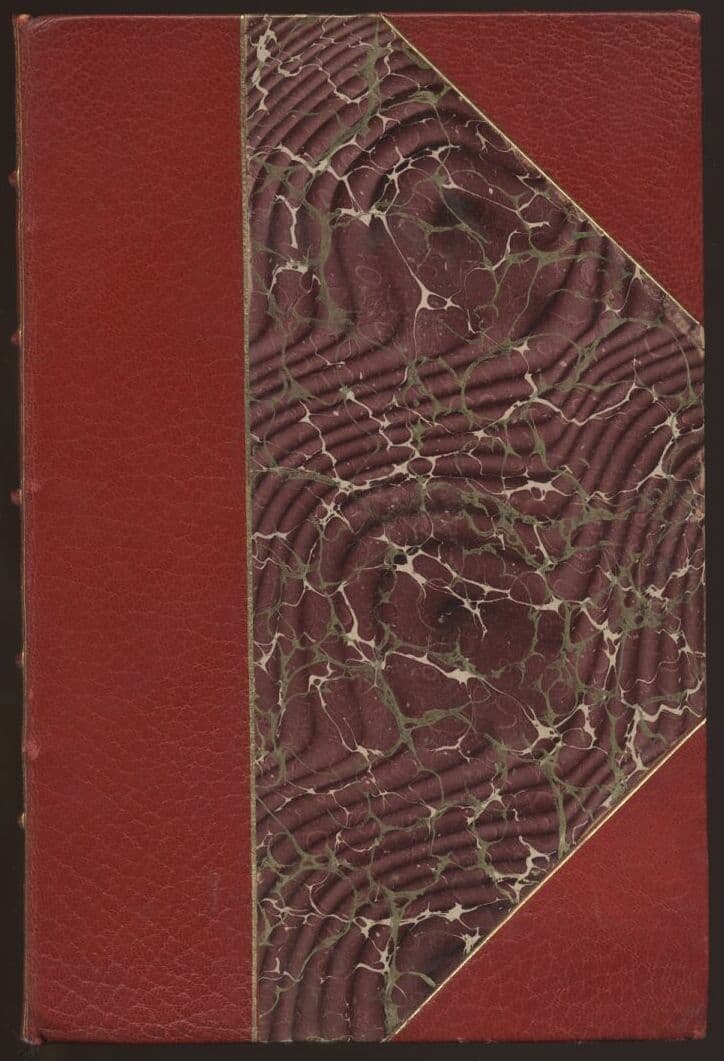
Deerbrook
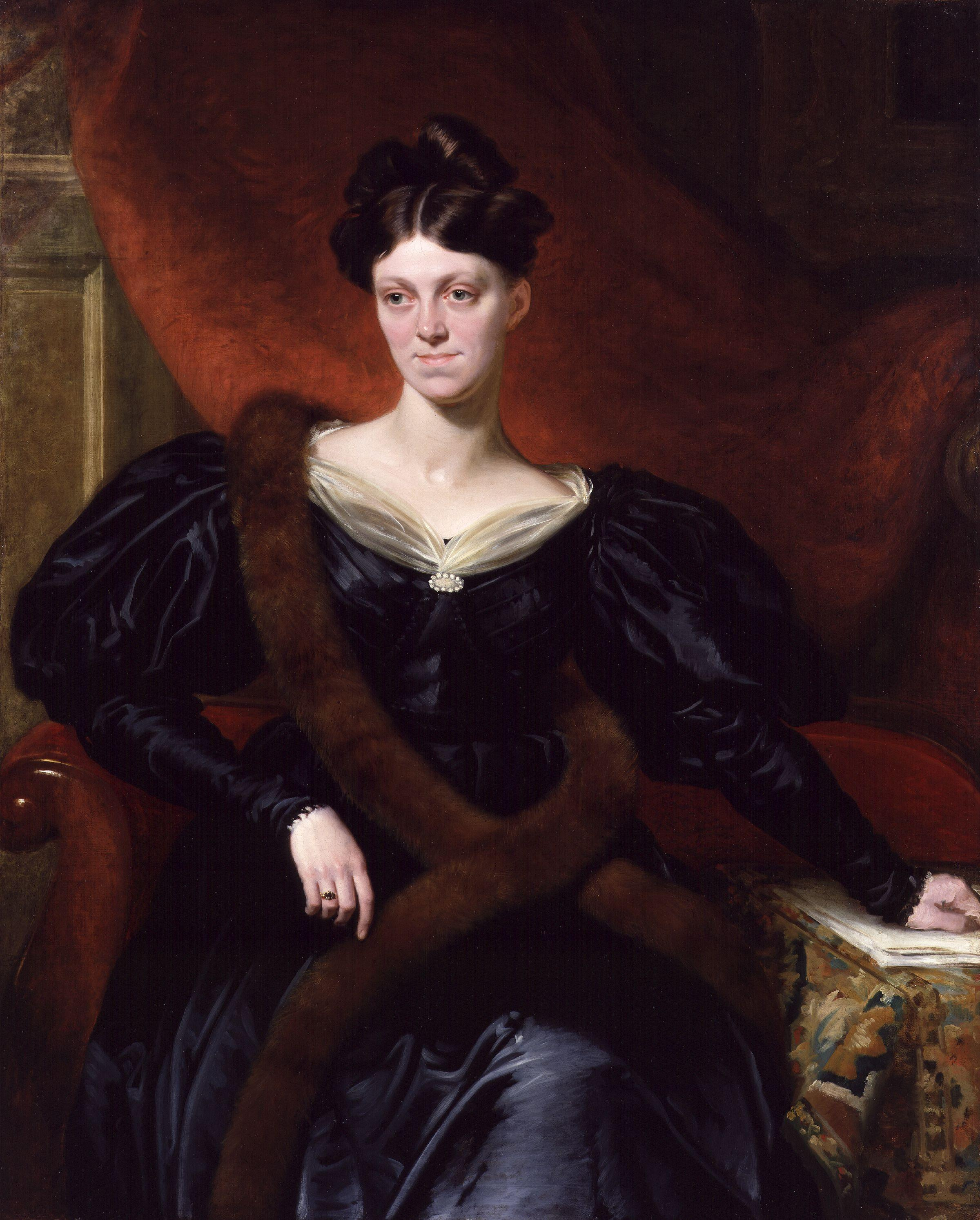
Deerbrook, written by Harriet Martineau in the mid-19th century, is a novel that examines the lives of upper middle-class families in rural England. The story follows the arrival of the Ibbotson sisters, Hester and Margaret, at the Grey household, where social customs and class dynamics come to the forefront. As romantic tensions arise, particularly involving the local apothecary Edward Hope, the narrative explores themes of community, personal relationships, and the impact of gossip on social standing. Martineau's work is notable for its detailed portrayal of social conditions in Victorian England.
Editions
X-Ray
“What I have seen in this way leads me to imagine that my grandfather’s notion is a very common one,”
— Harriet Martineau
“Such women agree, as a matter of course, in the old notion,”
— Harriet Martineau
“The parish clerk had for some years, indeed ever since the death of the late stationer and dispenser of letters, carried on a flirtation with the widow, notwithstanding the rumours which were current as to the cause to which her late husband owed his death. It was believed that poor Harry Plumstead died of exhaustion from his wife’s voice;””
— Harriet Martineau
“There were several occasions in the year when she could make sure beforehand of some hours to herself. Her Sundays were much occupied with the Sunday-school, and with intercourse with poor neighbours whom she could not meet on any other day : but Christmas-day, the day of the annual fair of Deerbrook, and two or three more, were her own. These were, however, so appropriated, long before, to some object, that they lost much of their character of holidays. Her true holidays were such as the afternoon of this day,”
— Harriet Martineau
Link to this book
Add a free, dofollow link to Lex on your blog, forum, syllabus, or reading list.

<a href="https://lex-books.com/book/deerbrook-872fb0b6-ae9f-4d0b-a176-5f6f79a9029f"><img src="https://lex-books.com/badges/read-on-lex.svg" alt="Read Deerbrook by Harriet Martineau free on Lex" width="160" height="40"></a>[](https://lex-books.com/book/deerbrook-872fb0b6-ae9f-4d0b-a176-5f6f79a9029f)[url=https://lex-books.com/book/deerbrook-872fb0b6-ae9f-4d0b-a176-5f6f79a9029f][img]https://lex-books.com/badges/read-on-lex.svg[/img][/url]Read Deerbrook by Harriet Martineau free on Lex: https://lex-books.com/book/deerbrook-872fb0b6-ae9f-4d0b-a176-5f6f79a9029fCite this book
Reading this edition for a paper or guide? Copy a citation.
Martineau, Harriet. Deerbrook. Lex, lex-books.com/book/deerbrook-872fb0b6-ae9f-4d0b-a176-5f6f79a9029f.Martineau, H. (n.d.). Deerbrook. Lex. https://lex-books.com/book/deerbrook-872fb0b6-ae9f-4d0b-a176-5f6f79a9029fMartineau, Harriet. Deerbrook. Lex. https://lex-books.com/book/deerbrook-872fb0b6-ae9f-4d0b-a176-5f6f79a9029f.