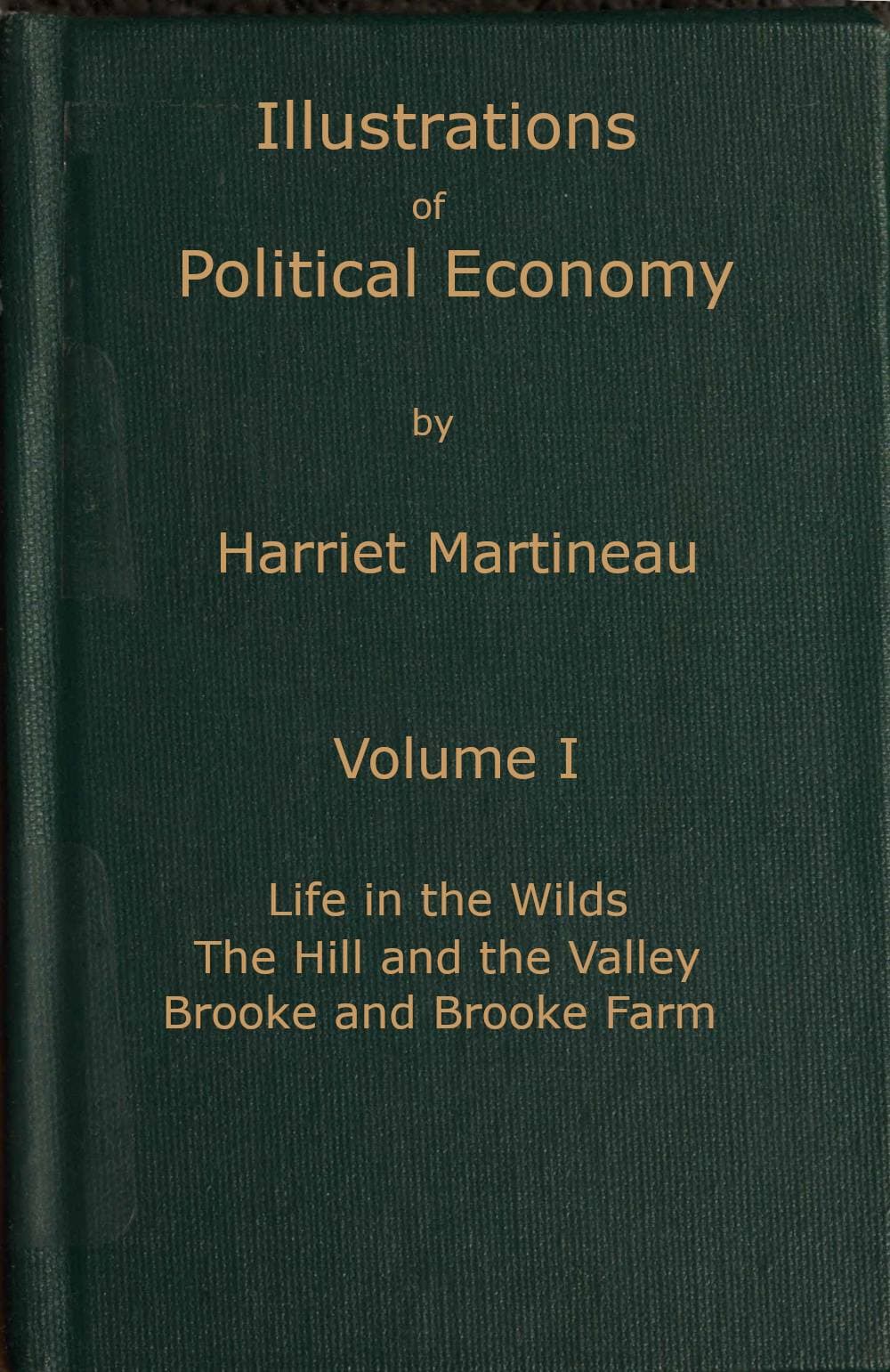
Illustrations of Political Economy, Volume 9 (of 9)
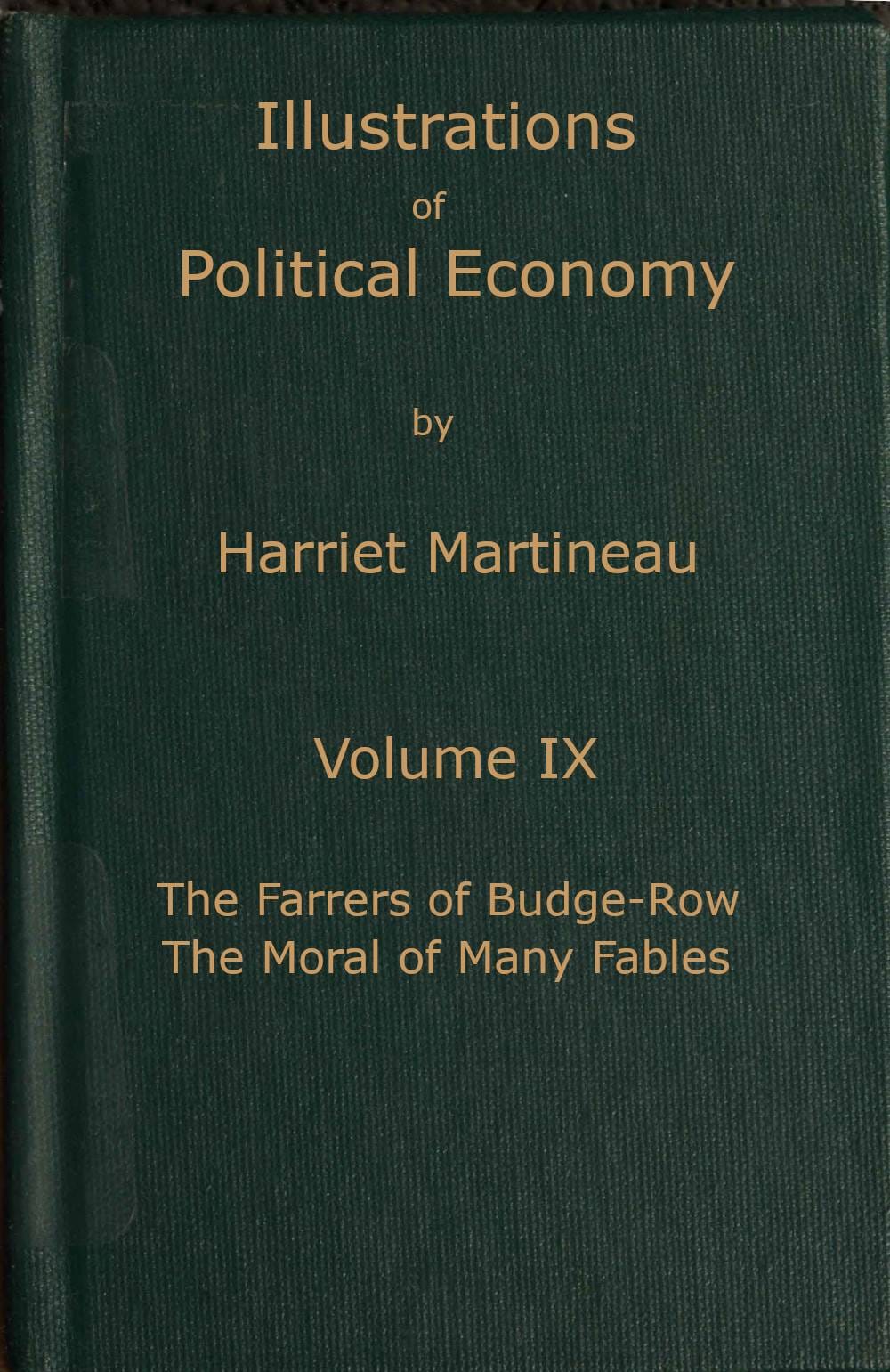
Volume 9 of Harriet Martineau's ambitious project uses fiction as a vehicle for economic instruction, following the Farrer family of Budge Row as they navigate the punishing financial landscape of early 19th-century England. Mr. Farrer, a London grocer, exults over profits from a tontine investment while fretting over war, taxes, and the mounting national debt. His daughter Jane awaits the return of her university-educated brother Henry, whose conscience rebels against the family's complicity in a system where consumption taxes fall heaviest on the poor. When Henry refuses the shop and leaves to earn his living by the pen, his father's refusal to accept this choice proves fatal. The narrative then shifts to Henry's modest household, where his French émigré wife Marie and her father join him in collaborative writing that erupts into sharp debate: consumption taxes versus property taxes, the economics of smuggling, and what the recent failures of Holland, France, and Spain reveal about England's trajectory. Martineau argued for an equitable property tax and debt reduction to relieve the industrious poor, embedding her economic vision in a family drama that remains a remarkable artifact of Victorian social thought.
Editions

Link to this book
Add a free, dofollow link to Lex on your blog, forum, syllabus, or reading list.

<a href="https://lex-books.com/book/illustrations-of-political-economy-volume-9-of-9-66352f16-6bfe-466a-af19-20e0d2cfafb6"><img src="https://lex-books.com/badges/read-on-lex.svg" alt="Read Illustrations of Political Economy, Volume 9 (of 9) by Harriet Martineau free on Lex" width="160" height="40"></a>[](https://lex-books.com/book/illustrations-of-political-economy-volume-9-of-9-66352f16-6bfe-466a-af19-20e0d2cfafb6)[url=https://lex-books.com/book/illustrations-of-political-economy-volume-9-of-9-66352f16-6bfe-466a-af19-20e0d2cfafb6][img]https://lex-books.com/badges/read-on-lex.svg[/img][/url]Read Illustrations of Political Economy, Volume 9 (of 9) by Harriet Martineau free on Lex: https://lex-books.com/book/illustrations-of-political-economy-volume-9-of-9-66352f16-6bfe-466a-af19-20e0d2cfafb6Cite this book
Reading this edition for a paper or guide? Copy a citation.
Martineau, Harriet. Illustrations of Political Economy, Volume 9 (of 9). Lex, lex-books.com/book/illustrations-of-political-economy-volume-9-of-9-66352f16-6bfe-466a-af19-20e0d2cfafb6.Martineau, H. (n.d.). Illustrations of Political Economy, Volume 9 (of 9). Lex. https://lex-books.com/book/illustrations-of-political-economy-volume-9-of-9-66352f16-6bfe-466a-af19-20e0d2cfafb6Martineau, Harriet. Illustrations of Political Economy, Volume 9 (of 9). Lex. https://lex-books.com/book/illustrations-of-political-economy-volume-9-of-9-66352f16-6bfe-466a-af19-20e0d2cfafb6.