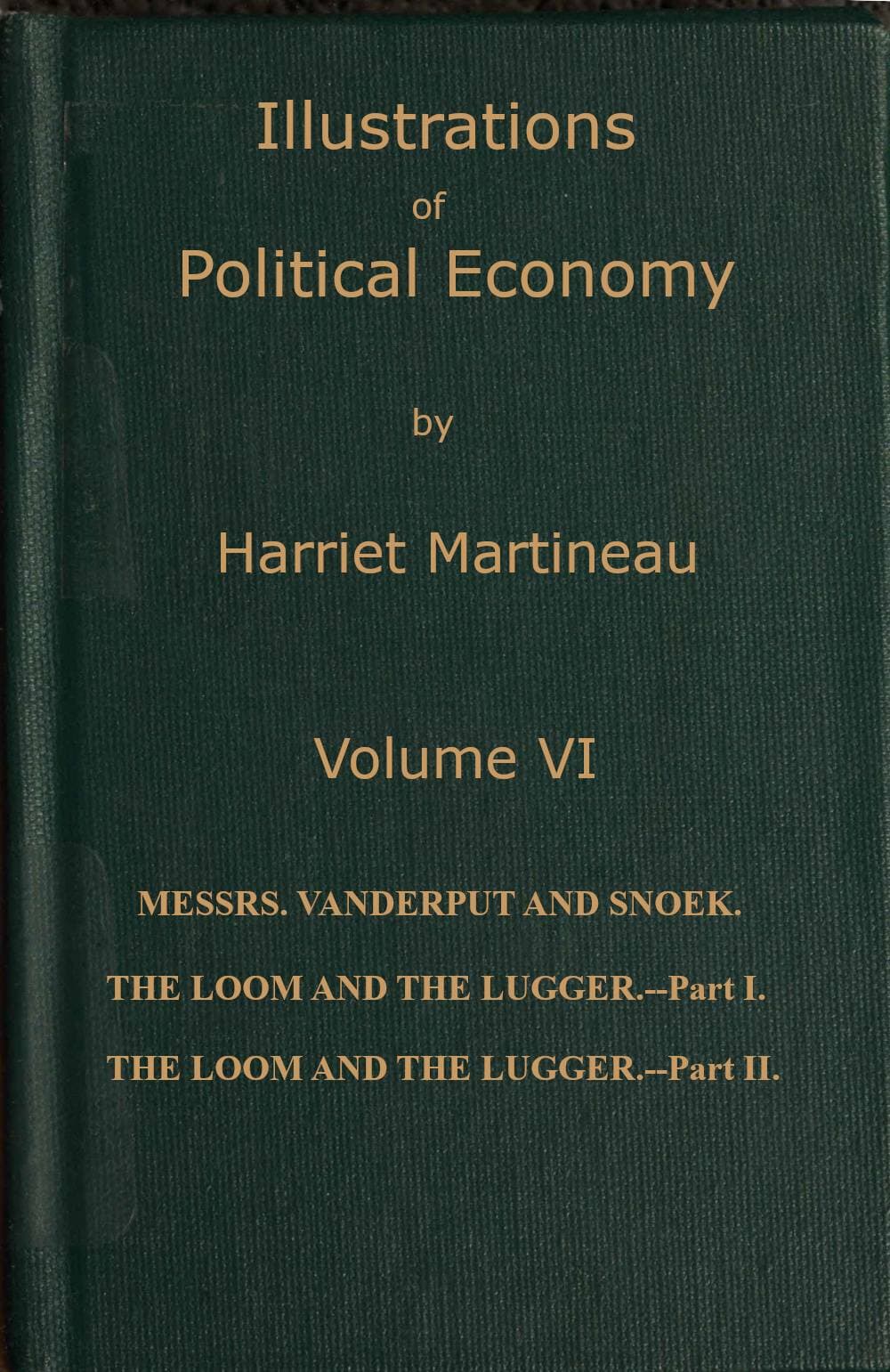
Illustrations of Political Economy, Volume 3 (of 9)
1832

Harriet Martineau was one of the first women to crack open the doors of political economy, and this 1832 volume shows why her voice mattered. Written as accessible fiction to explain the new theories of Adam Smith and Malthus to ordinary readers, Martineau didn't merely lecture, she dramatized the human cost of industrial capitalism with sharp eyes and a reformer’s heart. This volume gathers three tales: "A Manchester Strike," "Cousin Marshall," and "Ireland." The centerpiece follows Allen, a factory worker in the industrial heart of England, as he and his neighbors face reduced wages and consider the desperate gamble of a strike. We watch the tensions within the community: families struggling to eat, workers weighing solidarity against survival, employers holding all the power. It's a window into an era when the modern working class was being forged in hardship and resistance. Martineau's genius lies in her refusal to let readers look away from the specific, human details, the arguments at the kitchen table, the fear in a father's eyes, the fragile hope that collective action might change anything at all. For readers curious about where social criticism began, or who want to understand industrialization from the ground up, these tales remain startlingly vivid documents of a world being remade.
Editions
Link to this book
Add a free, dofollow link to Lex on your blog, forum, syllabus, or reading list.

<a href="https://lex-books.com/book/illustrations-of-political-economy-volume-3-of-9-d2f75813-9603-41b3-8c07-039cc22a8997"><img src="https://lex-books.com/badges/read-on-lex.svg" alt="Read Illustrations of Political Economy, Volume 3 (of 9) by Harriet Martineau free on Lex" width="160" height="40"></a>[](https://lex-books.com/book/illustrations-of-political-economy-volume-3-of-9-d2f75813-9603-41b3-8c07-039cc22a8997)[url=https://lex-books.com/book/illustrations-of-political-economy-volume-3-of-9-d2f75813-9603-41b3-8c07-039cc22a8997][img]https://lex-books.com/badges/read-on-lex.svg[/img][/url]Read Illustrations of Political Economy, Volume 3 (of 9) by Harriet Martineau free on Lex: https://lex-books.com/book/illustrations-of-political-economy-volume-3-of-9-d2f75813-9603-41b3-8c07-039cc22a8997Cite this book
Reading this edition for a paper or guide? Copy a citation.
Martineau, Harriet. Illustrations of Political Economy, Volume 3 (of 9). Lex, lex-books.com/book/illustrations-of-political-economy-volume-3-of-9-d2f75813-9603-41b3-8c07-039cc22a8997.Martineau, H. (1832). Illustrations of Political Economy, Volume 3 (of 9). Lex. https://lex-books.com/book/illustrations-of-political-economy-volume-3-of-9-d2f75813-9603-41b3-8c07-039cc22a8997Martineau, Harriet. Illustrations of Political Economy, Volume 3 (of 9). Lex. https://lex-books.com/book/illustrations-of-political-economy-volume-3-of-9-d2f75813-9603-41b3-8c07-039cc22a8997.