Principle and Practice: The Orphan Family
1827
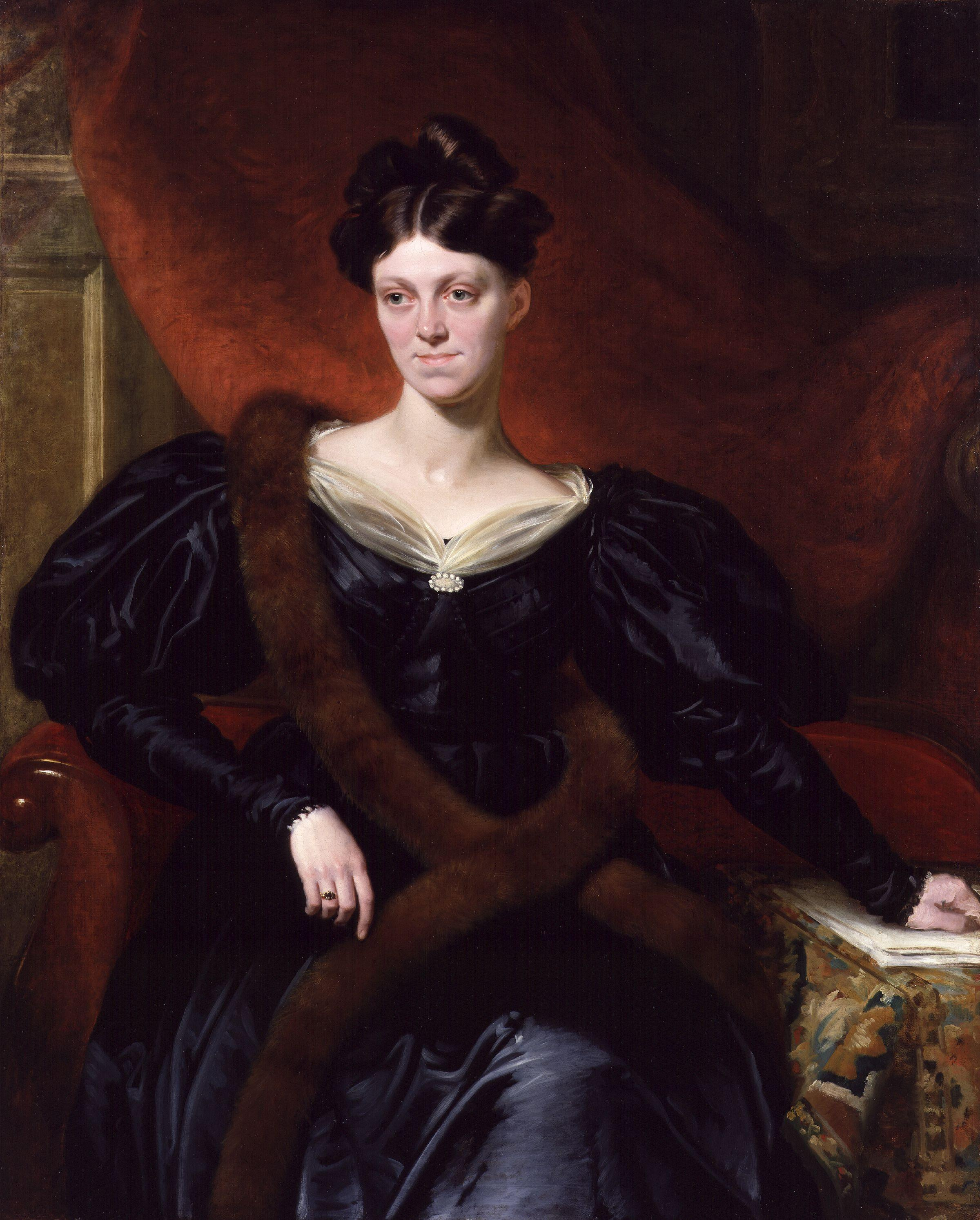
In 1827, Harriet Martineau, barely twenty-three and yet to become the century's most influential female sociologist, turned her sharp eye for social mechanics toward a question that haunted early Victorian England: what happens to a family when the father dies and the money runs out? The Forsyth siblings, sixteen-year-old Jane, thrust into the role of surrogate mother, and Charles, her restless younger brother dreaming of independence, face a brutal arithmetic of survival. Their merchant father is dead, the estate is dwindling, and the world offers women no wages, only warnings. Martineau maps the family's fracture and fragile reconstruction with the analytical precision that would define her later sociological work, but also with genuine feeling for Jane's quiet terror and Charles's defiant hope. This is not a sentimental orphan tale but a clear-eyed examination of how poverty enters a home through the door the father closes for the last time. For readers who understand that families break not in dramatic crises but in the quiet accumulation of unpaid bills and diminished options, this early novel reveals Martineau's gift for finding the human story inside the economic machinery.
Editions
Link to this book
Add a free, dofollow link to Lex on your blog, forum, syllabus, or reading list.

<a href="https://lex-books.com/book/principle-and-practice-the-orphan-family-1ba6dc39-e83c-4173-a8b4-e17d8c768328"><img src="https://lex-books.com/badges/read-on-lex.svg" alt="Read Principle and Practice: The Orphan Family by Harriet Martineau free on Lex" width="160" height="40"></a>[](https://lex-books.com/book/principle-and-practice-the-orphan-family-1ba6dc39-e83c-4173-a8b4-e17d8c768328)[url=https://lex-books.com/book/principle-and-practice-the-orphan-family-1ba6dc39-e83c-4173-a8b4-e17d8c768328][img]https://lex-books.com/badges/read-on-lex.svg[/img][/url]Read Principle and Practice: The Orphan Family by Harriet Martineau free on Lex: https://lex-books.com/book/principle-and-practice-the-orphan-family-1ba6dc39-e83c-4173-a8b4-e17d8c768328Cite this book
Reading this edition for a paper or guide? Copy a citation.
Martineau, Harriet. Principle and Practice: The Orphan Family. Lex, lex-books.com/book/principle-and-practice-the-orphan-family-1ba6dc39-e83c-4173-a8b4-e17d8c768328.Martineau, H. (1827). Principle and Practice: The Orphan Family. Lex. https://lex-books.com/book/principle-and-practice-the-orphan-family-1ba6dc39-e83c-4173-a8b4-e17d8c768328Martineau, Harriet. Principle and Practice: The Orphan Family. Lex. https://lex-books.com/book/principle-and-practice-the-orphan-family-1ba6dc39-e83c-4173-a8b4-e17d8c768328.