Coriolanus
1623
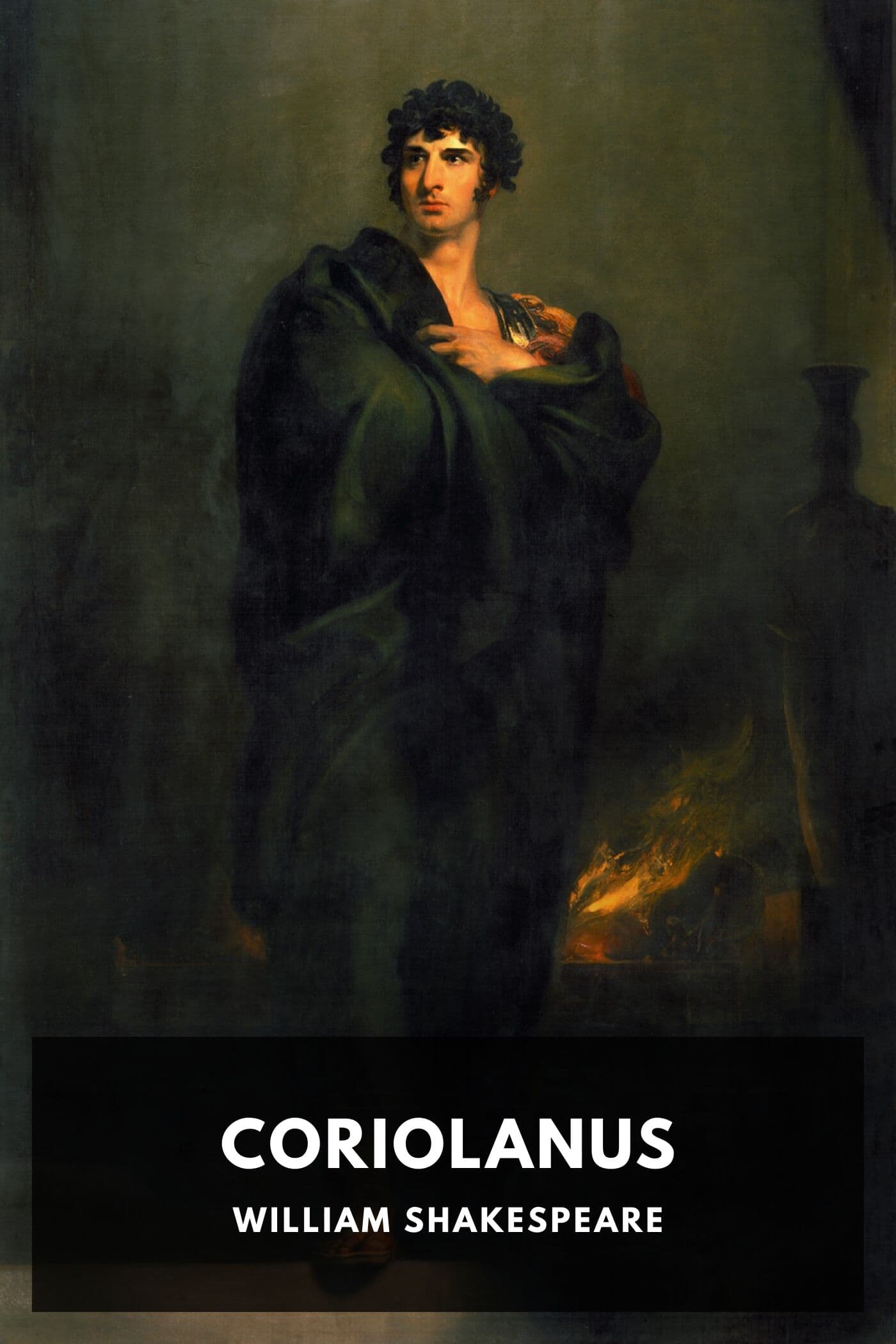
Coriolanus
1623
Translated by Dorothea Tieck
Coriolanus is a tragedy by William Shakespeare, believed to have been written between 1605 and 1608 and first published in 1623. The play follows the life of the Roman general Gnaeus Marcius Coriolanus, whose pride and contempt for the common people lead to his downfall. After being banished from Rome due to his disdain for the plebeians, he allies with the Volscians to seek revenge, ultimately facing tragic consequences. The work explores themes of power, loyalty, and the fraught relationship between leaders and the populace.
Editions
X-Ray
“More of your conversation would infect my brain.””
— William Shakespeare
“There is a world elsewhere.””
— William Shakespeare
“They lie deadly that tell you have good faces.””
— William Shakespeare
“You common cry of curs! whose breath I hateAs reek o' the rotten fens, whose loves I prizeAs the dead carcasses of unburied menThat do corrupt my air, I banish you;And here remain with your uncertainty!””
— William Shakespeare
“I talk of you:Why did you wish me milder? would you have meFalse to my nature? Rather say I playThe man I am.””
— William Shakespeare
“Let it be virtuous to be obstinate.””
— William Shakespeare
“Let me have war, say I: it exceeds peace as far as day does night; it's spritely, waking, audible, and full of vent. Peace is a very apoplexy, lethargy; mulled, deaf, sleepy, insensible; a getter of more bastard children than war's a destroyer of men.””
— William Shakespeare
“Let me twineMine arms about that body, where againstMy grained ash an hundred times hath broke And scarr'd the moon with splinters: here I clipThe anvil of my sword, and do contestAs hotly and as nobly with thy loveAs ever in ambitious strength I didContend against thy valour. Know thou first, I loved the maid I married; never manSigh'd truer breath; but that I see thee here,Thou noble thing! more dances my rapt heartThan when I first my wedded mistress sawBestride my threshold.””
— William Shakespeare
“Why did you wish me milder? would you have meFalse to my nature? Rather say I playThe man I am.””
— William Shakespeare
Link to this book
Add a free, dofollow link to Lex on your blog, forum, syllabus, or reading list.

<a href="https://lex-books.com/book/coriolanus-918ec702-0f20-4f75-bb4b-231611c4a32b"><img src="https://lex-books.com/badges/read-on-lex.svg" alt="Read Coriolanus by William Shakespeare free on Lex" width="160" height="40"></a>[](https://lex-books.com/book/coriolanus-918ec702-0f20-4f75-bb4b-231611c4a32b)[url=https://lex-books.com/book/coriolanus-918ec702-0f20-4f75-bb4b-231611c4a32b][img]https://lex-books.com/badges/read-on-lex.svg[/img][/url]Read Coriolanus by William Shakespeare free on Lex: https://lex-books.com/book/coriolanus-918ec702-0f20-4f75-bb4b-231611c4a32bCite this book
Reading this edition for a paper or guide? Copy a citation.
Shakespeare, William. Coriolanus. Lex, lex-books.com/book/coriolanus-918ec702-0f20-4f75-bb4b-231611c4a32b.Shakespeare, W. (1623). Coriolanus. Lex. https://lex-books.com/book/coriolanus-918ec702-0f20-4f75-bb4b-231611c4a32bShakespeare, William. Coriolanus. Lex. https://lex-books.com/book/coriolanus-918ec702-0f20-4f75-bb4b-231611c4a32b.