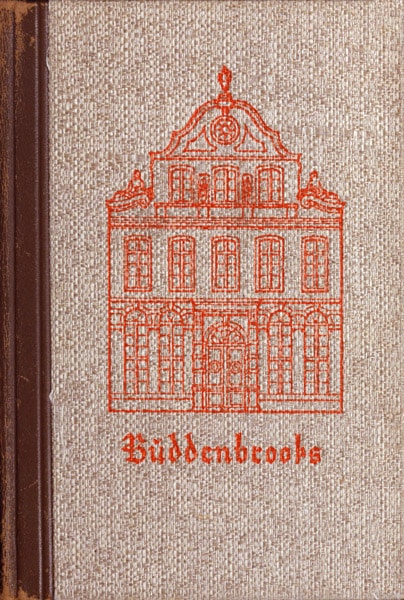
Buddenbrooks: Verfall Einer Familie
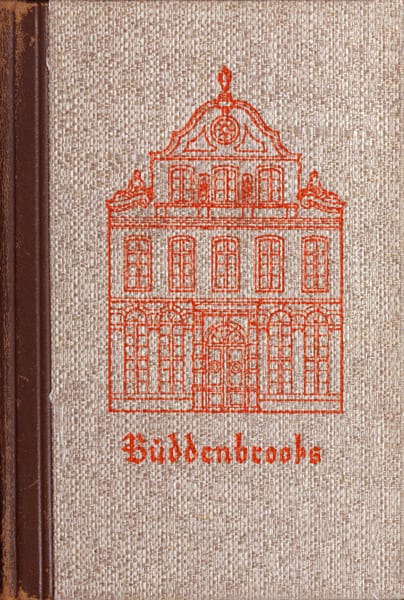
Thomas Mann published this novel at twenty-six, and the precocity is staggering. He writes about a family the way a pathologist conducts an autopsy: with scientific precision and devastating tenderness. The Buddenbrooks are wealthy, respectable Lübeck merchants, and Mann traces their decline across four generations with an almost unbearable intimacy. We watch them age, marry badly, succumb to hypochondria and melancholia, lose their money, and slowly forget what made them great. The genius lies in Mann's refusal to sentimentalize: these people are often petty, provincial, and self-deluding, yet their disintegration haunts us. Every dinner party conceals anxiety; every funeral marks another fracture. It's the novel that invented literary modernism itself, proving that fiction could be both naturalistic in its detail and devastating in its emotional scope. If you want to understand how a family becomes a ghost of itself, read this.
Editions
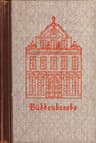


X-Ray
“Often, the outward and visible material signs and symbols of happiness and success only show themselves when the process of decline has already set in. The outer manifestations take time - like the light of that star up there, which may in reality be already quenched, when it looks to us to be shining its brightest.””
— Thomas Mann
“Death was a blessing, so great, so deep that we can fathom it only at those moments, like this one now, when we are reprieved from it. It was the return home from long, unspeakably painful wanderings, the correction of a great error, the loosening of tormenting chains, the removal of barriers---it set a horrible accident to rights again.””
— Thomas Mann
“Das Gute kommt immer zu spät, immer wird es zu spät fertig, wenn man sich nicht mehr recht darüber freuen kann.””
— Thomas Mann
“Durch die Gitterfenster seiner Individualität starrt der Mensch hoffnungslos auf die Ringmauern der äußeren Umstände, bis der Tod kommt und ihn zu Heimkehr und Freiheit ruft …Individualität!… Ach, was man ist, kann und hat, scheint arm, grau, unzulänglich und langweilig; was man aber nicht ist, nicht kann und nicht hat, das eben ist es, worauf man mit jenem sehnsüchtigen Neide blickt, der zur Liebe wird, weil er sich fürchtet, zum Haß zu werden.Ich trage den Keim, den Ansatz, die Möglichkeit zu allen Befähigungen und Betätigungen der Welt in mir … Wo könnte ich sein, wenn ich nicht hier wäre! Wer, was, wie könnte ich sein, wenn ich nicht ich wäre, wenn diese meine persönliche Erscheinung mich nicht abschlösse und mein Bewußtsein von dem aller derer trennte, die nicht ich sind! Organismus! Blinde, unbedachte, bedauerliche Eruption des drängenden Willens! Besser, wahrhaftig, dieser Wille webt frei in raum- und zeitloser Nacht, als daß er in einem Kerker schmachtet, der von dem zitternden und wankenden Flämmchen des Intellektes notdürftig erhellt wird!””
— Thomas Mann
“I bear within me the seed, the rudiments, the possibility of life's capacities and endeavors. Where might I be, if I were not here? Who, what, how could I be, if I were not me, if this outward appearance that is me did not encase me, separating my consciousness from that of others who are not me? An organism”
— Thomas Mann
“He completely lacked any ardent interest that might have occupied his mind. His interior life was impoverished, had undergone a deterioration so severe that it was like the almost constant burden of some vague grief. And bound up with it all was an implacable sense of personal duty and the grim determination to present himself at his best, to conceal his frailties by any means possible, and to keep up appearances. It had all contributed to making his existence what it was: artificial, self-conscious, and forced”
— Thomas Mann
“Thomas Buddenbrook's existence was no different from that of an actor - an actor whose lfe has become one long production, which but for a few hours for relaxation, consumes him unceasingly.””
— Thomas Mann
“We are the bourgeoisie”
— Thomas Mann
“The Ladies Buddenbrook from Breite Strasse did not weep, however - it was not their custom. Their faces, a little less caustic than usual at least, expressed a gentle satisfaction at death's impartiality.””
— Thomas Mann
Link to this book
Add a free, dofollow link to Lex on your blog, forum, syllabus, or reading list.

<a href="https://lex-books.com/book/buddenbrooks-verfall-einer-familie-d23856c6-a0a6-409b-beb8-4bcdc8015428"><img src="https://lex-books.com/badges/read-on-lex.svg" alt="Read Buddenbrooks: Verfall Einer Familie by Thomas Mann free on Lex" width="160" height="40"></a>[](https://lex-books.com/book/buddenbrooks-verfall-einer-familie-d23856c6-a0a6-409b-beb8-4bcdc8015428)[url=https://lex-books.com/book/buddenbrooks-verfall-einer-familie-d23856c6-a0a6-409b-beb8-4bcdc8015428][img]https://lex-books.com/badges/read-on-lex.svg[/img][/url]Read Buddenbrooks: Verfall Einer Familie by Thomas Mann free on Lex: https://lex-books.com/book/buddenbrooks-verfall-einer-familie-d23856c6-a0a6-409b-beb8-4bcdc8015428Cite this book
Reading this edition for a paper or guide? Copy a citation.
Mann, Thomas. Buddenbrooks: Verfall Einer Familie. Lex, lex-books.com/book/buddenbrooks-verfall-einer-familie-d23856c6-a0a6-409b-beb8-4bcdc8015428.Mann, T. (n.d.). Buddenbrooks: Verfall Einer Familie. Lex. https://lex-books.com/book/buddenbrooks-verfall-einer-familie-d23856c6-a0a6-409b-beb8-4bcdc8015428Mann, Thomas. Buddenbrooks: Verfall Einer Familie. Lex. https://lex-books.com/book/buddenbrooks-verfall-einer-familie-d23856c6-a0a6-409b-beb8-4bcdc8015428.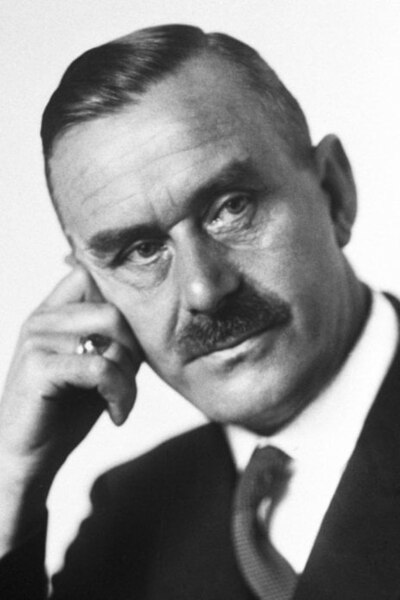


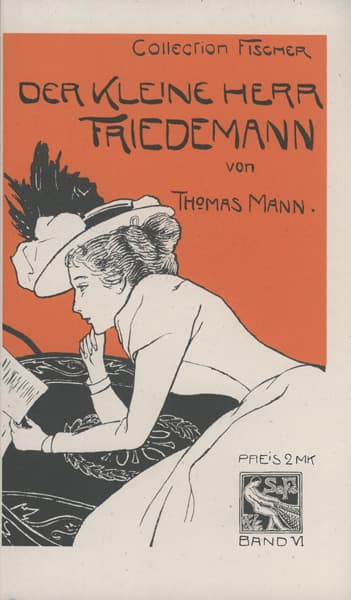
![Tonio Kröger[Erstausgabe; Illustrationen Von Erich M. Simon]](/_next/image?url=https%3A%2F%2Fd3b2n8gj62qnwr.cloudfront.net%2FCOVERS%2Fgutenberg_covers75k%2Febook-38692.png&w=3840&q=75)