Apology, Crito, and Phaedo of Socrates
1895
Apology, Crito, and Phaedo of Socrates
1895
Translated by Henry Cary
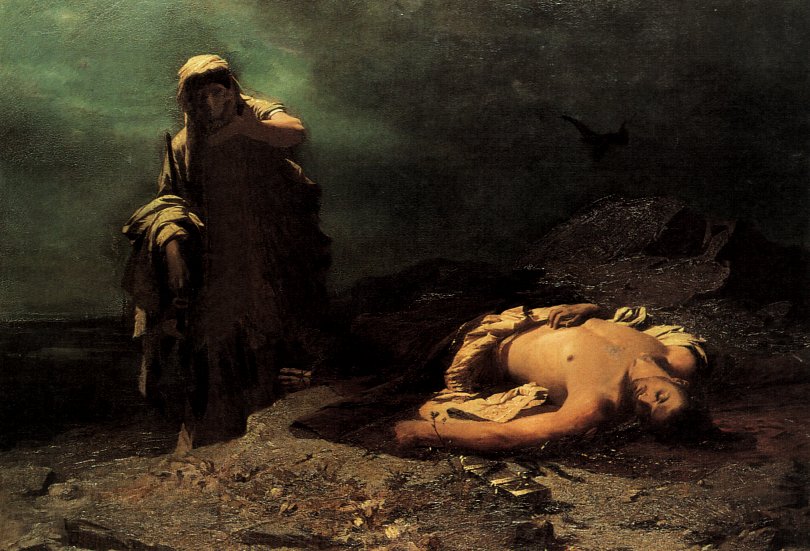
Here is a man who could have lived. He simply had to stop asking questions. The Apology is Socrates at trial, standing before an Athenian jury on charges of impiety and corrupting the youth. He does not beg for mercy. He does not soften his words. Instead, he delivers a defiant defense of the examined life, arguing that unexamined existence is not worth living, and that no threat of death should silence philosophical inquiry. He is condemned. Crito shows us Socrates in his cell, his friend Crito offering a chance at escape through bribery. Socrates refuses. His reasoning remains staggering: one must never do wrong, even in response to wrong. The just man obeys just laws, even unjustly applied. He will not flee. Phaedo is the end. Surrounded by grieving friends, the condemned man discusses the immortality of the soul with the calm of a philosopher who has always believed death to be merely another discussion. He drinks the hemlock willingly,最后一个论点尚待讨论. These three dialogues form a portrait of philosophical courage that has haunted Western thought for twenty-four centuries. For anyone asking what it means to live with integrity, to think clearly about death, and to hold principle above survival, this is where the conversation began.
Editions
X-Ray
“for the unexamined life is not worth living.””
— Plato
“for the best possible state of your soul, as I say to you: Wealth does not bring about excellence, but excellence makes wealth and everything else good for men, both individually and collectively.””
— Plato
“the most important thing is not life, but the good life.””
— Plato
“Men of Athens, I honor and I love you, but I will obey the god rather than you and as long as I draw breath and am able, I shall not cease to practice philosophy, to exhort you and in my usual way to point out to any one of you whom I happen to meet.””
— Plato
“no man will survive who genuinely opposes you or any other crowd and prevents the occurrence of many unjust and illegal happenings in the city. A man who really fights for justice must lead a private, not a public, life if he is to survive for even a short time””
— Plato
“I am speaking like a book, but I believe that what I am saying is true.””
— Plato
“The next thing I want to do is to make a prophecy to you, the ones who voted against me; I’m now at that moment when human beings are most prone to turn prophet, when they’re about to die. I tell you, you Athenians who have become my killers, that just as soon as I’m dead you’ll meet with a punishment that – Zeus knows – will be much harsher than the one you’ve meted out to me by putting me to death. You’ve acted as you have now because you think it’ll let you off being challenged for an account of your life; in fact, I tell you, you’ll find 39d the case quite the opposite. There’ll be more, not fewer, people challenging you – people that I was holding back, without your noticing it, and they’ll be all the harsher because they’re younger, and you’ll be crosser than you are now. If you think killing people will stop anyone reproaching you for not living correctly, you’re not thinking straight. Being””
— Plato
“if you think that a man who is any good at all should take into account the risk of life or death; he should look to this only in his action, whether what he does is right or wrong, whether he is acting life a good or a bad man.””
— Plato
“فلا ينبغي لأحد ان ينساق لرأي الناس إن كان مخالفا للعقل””
— Plato
Link to this book
Add a free, dofollow link to Lex on your blog, forum, syllabus, or reading list.

<a href="https://lex-books.com/book/apology-crito-and-phaedo-of-socrates-9500bc22-0ae0-4d7b-bca1-636cfae2fa5b"><img src="https://lex-books.com/badges/read-on-lex.svg" alt="Read Apology, Crito, and Phaedo of Socrates by Plato free on Lex" width="160" height="40"></a>[](https://lex-books.com/book/apology-crito-and-phaedo-of-socrates-9500bc22-0ae0-4d7b-bca1-636cfae2fa5b)[url=https://lex-books.com/book/apology-crito-and-phaedo-of-socrates-9500bc22-0ae0-4d7b-bca1-636cfae2fa5b][img]https://lex-books.com/badges/read-on-lex.svg[/img][/url]Read Apology, Crito, and Phaedo of Socrates by Plato free on Lex: https://lex-books.com/book/apology-crito-and-phaedo-of-socrates-9500bc22-0ae0-4d7b-bca1-636cfae2fa5bCite this book
Reading this edition for a paper or guide? Copy a citation.
Plato. Apology, Crito, and Phaedo of Socrates. Lex, lex-books.com/book/apology-crito-and-phaedo-of-socrates-9500bc22-0ae0-4d7b-bca1-636cfae2fa5b.Plato (1895). Apology, Crito, and Phaedo of Socrates. Lex. https://lex-books.com/book/apology-crito-and-phaedo-of-socrates-9500bc22-0ae0-4d7b-bca1-636cfae2fa5bPlato. Apology, Crito, and Phaedo of Socrates. Lex. https://lex-books.com/book/apology-crito-and-phaedo-of-socrates-9500bc22-0ae0-4d7b-bca1-636cfae2fa5b.