Anthropology

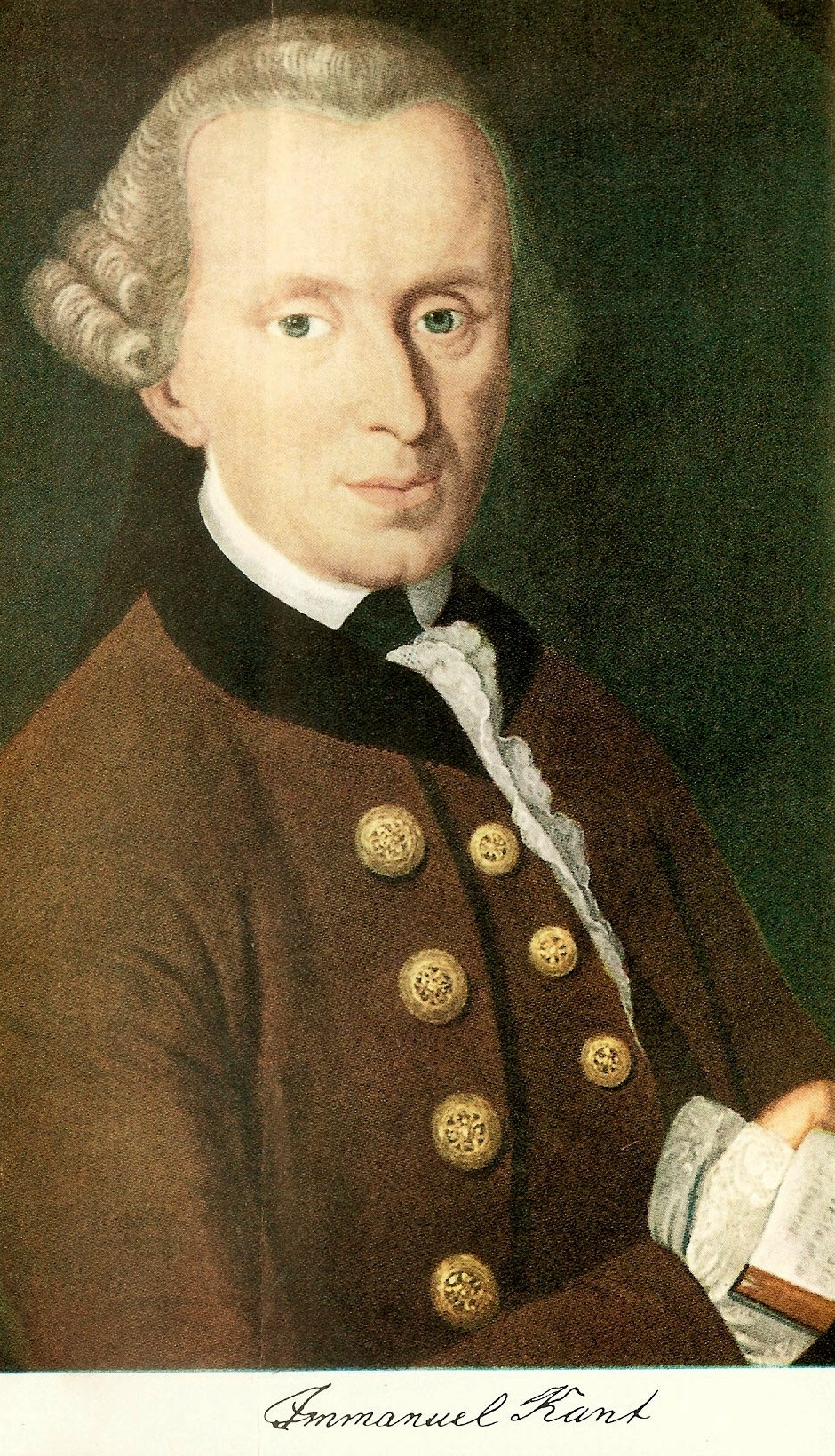
This is Immanuel Kant as you've rarely seen him: not constructing elaborate systems of pure reason, but observing human beings with the keen eye of an empirical scientist. Based on lectures delivered at the University of Königsberg across two decades, Anthropology represents Kant's sustained attempt to understand what makes us human from the ground up, drawing on lived experience rather than abstract deduction. He examines the interplay of internal and external dimensions of human existence, mapping the territories of cognition, sensation, and the complicated machinery of the mind and soul. The result is a fascinating portrait of human beings as both rational actors and creatures of impulse, desire, and cultural influence. The work stands as a remarkable document in the history of ideas, bridging Enlightenment rationalism and the emerging human sciences. Kant offers characteristically sharp analyses of the senses, the nature of self-knowledge, and the social dimensions of human existence. For readers curious about the philosophical foundations of anthropology and psychology, this text illuminates the moment when systematic reflection on human nature began to take recognizably modern form. It remains essential for anyone seeking to understand how one of history's most rigorous thinkers turned his attention from the conditions of knowledge to the knower themselves.
Editions

Read by
Group Narration
6 readers
Larry Wilson, Craig Campbell, VivianWeaver, sgrace +2 more
Link to this book
Add a free, dofollow link to Lex on your blog, forum, syllabus, or reading list.

<a href="https://lex-books.com/book/anthropology-97b2e438-7998-4adb-9422-f16dccd79e34"><img src="https://lex-books.com/badges/read-on-lex.svg" alt="Read Anthropology by Immanuel Kant free on Lex" width="160" height="40"></a>[](https://lex-books.com/book/anthropology-97b2e438-7998-4adb-9422-f16dccd79e34)[url=https://lex-books.com/book/anthropology-97b2e438-7998-4adb-9422-f16dccd79e34][img]https://lex-books.com/badges/read-on-lex.svg[/img][/url]Read Anthropology by Immanuel Kant free on Lex: https://lex-books.com/book/anthropology-97b2e438-7998-4adb-9422-f16dccd79e34Cite this book
Reading this edition for a paper or guide? Copy a citation.
Kant, Immanuel. Anthropology. Lex, lex-books.com/book/anthropology-97b2e438-7998-4adb-9422-f16dccd79e34.Kant, I. (n.d.). Anthropology. Lex. https://lex-books.com/book/anthropology-97b2e438-7998-4adb-9422-f16dccd79e34Kant, Immanuel. Anthropology. Lex. https://lex-books.com/book/anthropology-97b2e438-7998-4adb-9422-f16dccd79e34.