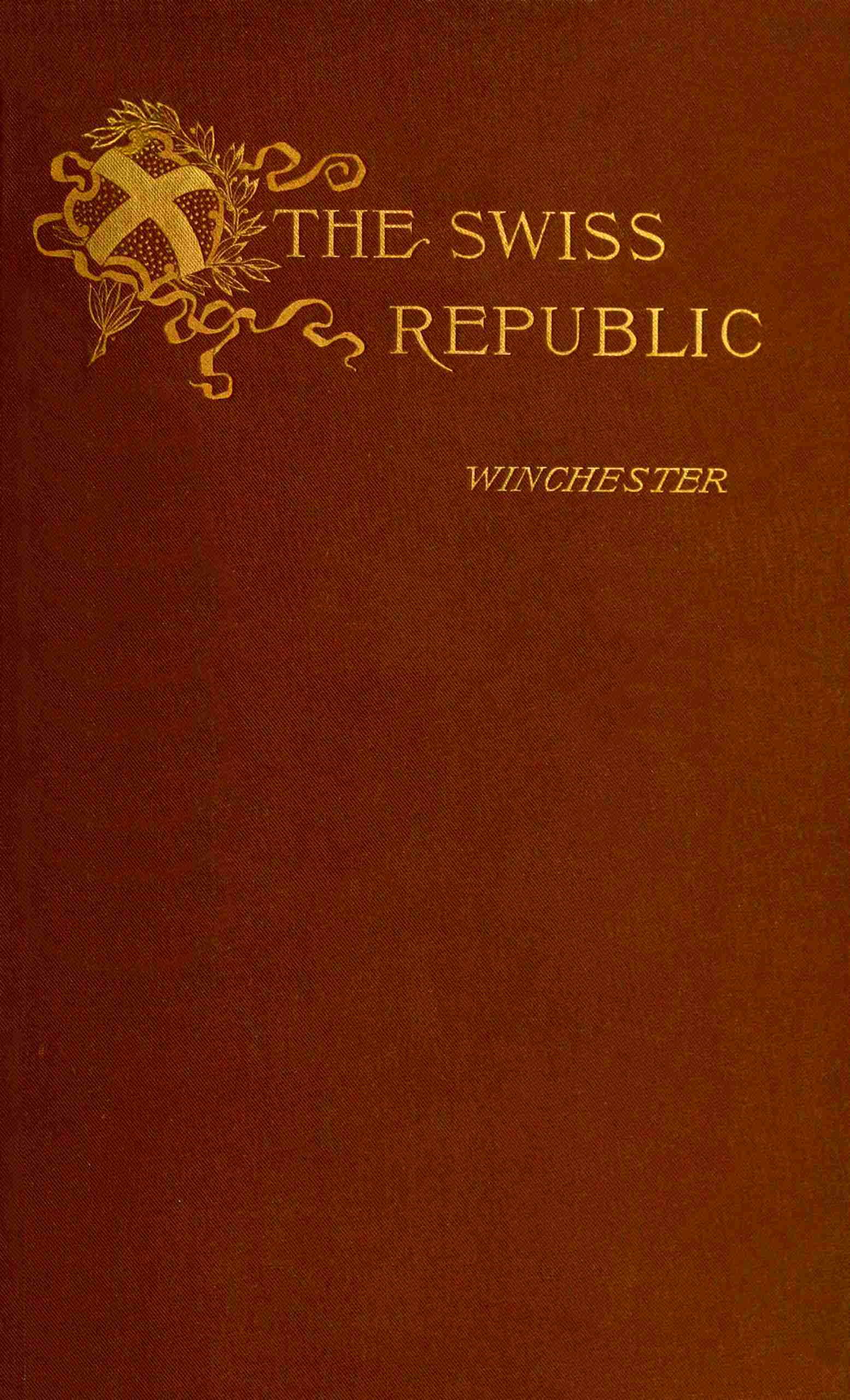
The Swiss Republic
1891
The Swiss Republic
1891
Switzerland's democratic experiment predates modern nations by half a millennium. Boyd Winchester, the American minister to Bern, witnessed the world's oldest continuous republic firsthand and documented its remarkable political architecture. His 1891 account traces the Swiss Confederation from its 1291 origins among three forest cantons through centuries of external pressures from France and Austria to the sophisticated federal system that endured. Winchester illuminates how a geographically fragmented, multilingual nation forged democratic institutions that balance local autonomy with collective defense and shared governance. His diplomatic perspective offers a unique lens: an American observer analyzing how the Swiss built a republic that actually works, examining the civic virtue and pragmatic compromise that make direct democracy viable. For readers grappling with questions of federalism, minority representation, and democratic resilience, this remains a vital historical case study.
Editions
X-Ray
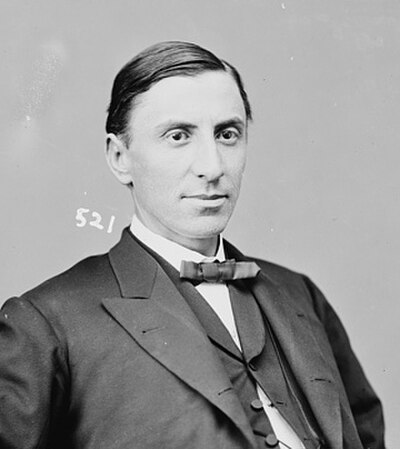
Former United States Minister at Bern and author of this comprehensive study of Swiss political institutions. He provides detailed analysis based on four years of diplomatic service in Switzerland.
Friend of the author to whom the volume is dedicated. The dedication suggests a long-standing personal and professional relationship.
Legendary Swiss hero whose story symbolizes Swiss resistance to tyranny and the founding spirit of Swiss independence. Referenced throughout as embodying Swiss values of liberty and self-governance.
Roman general who conquered the Helvetians and provides the first authentic historical mention of the Swiss people in his Commentaries.
About The Swiss Republic
Chapter Summaries
- 1
- Provides historical background of Switzerland from ancient times through the formation of the modern confederation. Covers geography, climate, population, and the foundational principles of Swiss democracy.
- 2
- Analyzes the Swiss Constitution of 1874, comparing it to the U.S. Constitution and examining the balance between federal and cantonal powers. Details the evolution from confederation to federation.
- 3
- Examines Switzerland's bicameral legislature, including the National Council and Council of States. Discusses representation, powers, and procedures of the federal legislative branch.
Key Themes
- Federalism and Local Autonomy
- The book extensively explores how Switzerland successfully balances federal authority with cantonal and communal self-governance, creating a unique model of decentralized democracy.
- Democratic Evolution
- Winchester traces the development of Swiss democratic institutions from ancient tribal assemblies to modern representative government, showing how democracy adapted to changing circumstances.
- Religious and Cultural Diversity
- The work examines how Switzerland maintains unity despite linguistic, religious, and cultural divisions, demonstrating successful pluralistic governance.
Characters
- Boyd Winchester(protagonist)
- Former United States Minister at Bern and author of this comprehensive study of Swiss political institutions. He provides detailed analysis based on four years of diplomatic service in Switzerland.
- Henry Watterson(minor)
- Friend of the author to whom the volume is dedicated. The dedication suggests a long-standing personal and professional relationship.
- William Tell(major)
- Legendary Swiss hero whose story symbolizes Swiss resistance to tyranny and the founding spirit of Swiss independence. Referenced throughout as embodying Swiss values of liberty and self-governance.
- Julius Caesar(minor)
- Roman general who conquered the Helvetians and provides the first authentic historical mention of the Swiss people in his Commentaries.
- Napoleon Bonaparte(major)
- French leader who significantly influenced Swiss political development through the Act of Mediation and various constitutional arrangements during his reign.
Link to this book
Add a free, dofollow link to Lex on your blog, forum, syllabus, or reading list.

<a href="https://lex-books.com/book/the-swiss-republic-01cd7166-3b99-4d90-b05c-f809123a7acb"><img src="https://lex-books.com/badges/read-on-lex.svg" alt="Read The Swiss Republic by Boyd Winchester free on Lex" width="160" height="40"></a>[](https://lex-books.com/book/the-swiss-republic-01cd7166-3b99-4d90-b05c-f809123a7acb)[url=https://lex-books.com/book/the-swiss-republic-01cd7166-3b99-4d90-b05c-f809123a7acb][img]https://lex-books.com/badges/read-on-lex.svg[/img][/url]Read The Swiss Republic by Boyd Winchester free on Lex: https://lex-books.com/book/the-swiss-republic-01cd7166-3b99-4d90-b05c-f809123a7acbCite this book
Reading this edition for a paper or guide? Copy a citation.
Winchester, Boyd. The Swiss Republic. Lex, lex-books.com/book/the-swiss-republic-01cd7166-3b99-4d90-b05c-f809123a7acb.Winchester, B. (1891). The Swiss Republic. Lex. https://lex-books.com/book/the-swiss-republic-01cd7166-3b99-4d90-b05c-f809123a7acbWinchester, Boyd. The Swiss Republic. Lex. https://lex-books.com/book/the-swiss-republic-01cd7166-3b99-4d90-b05c-f809123a7acb.