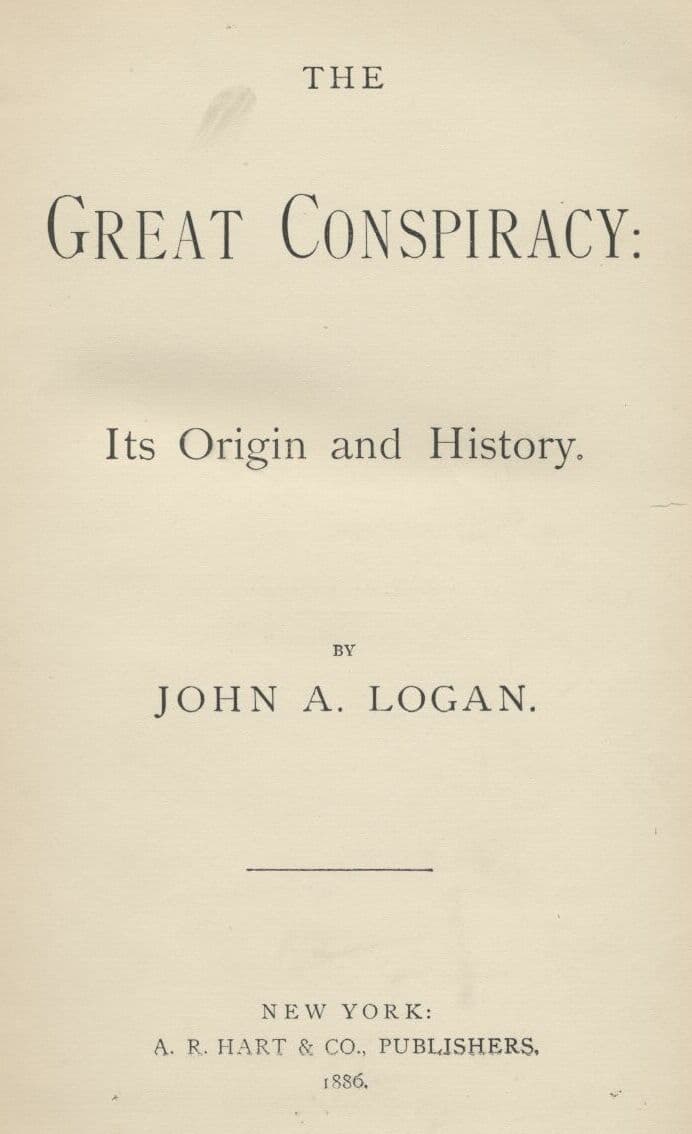
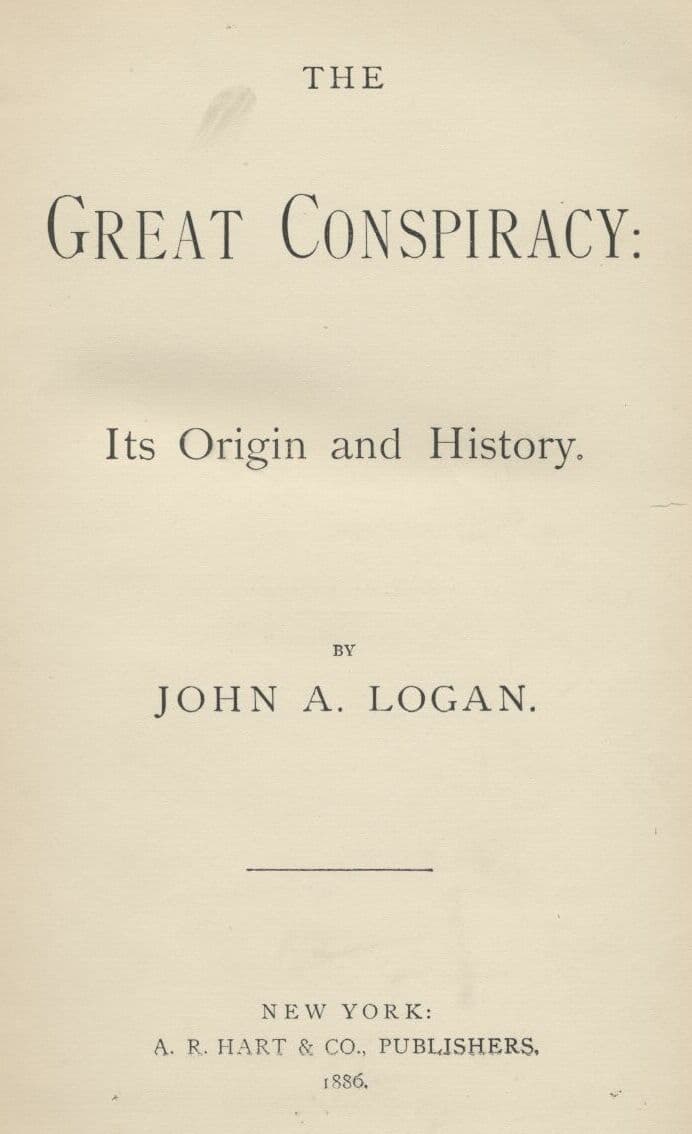
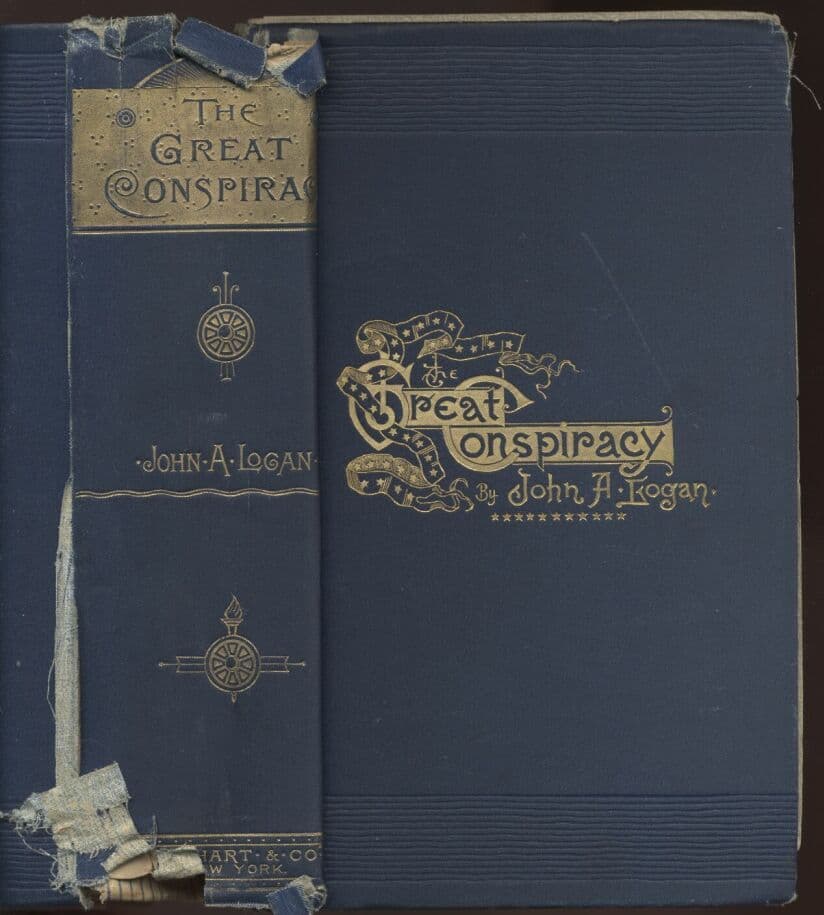
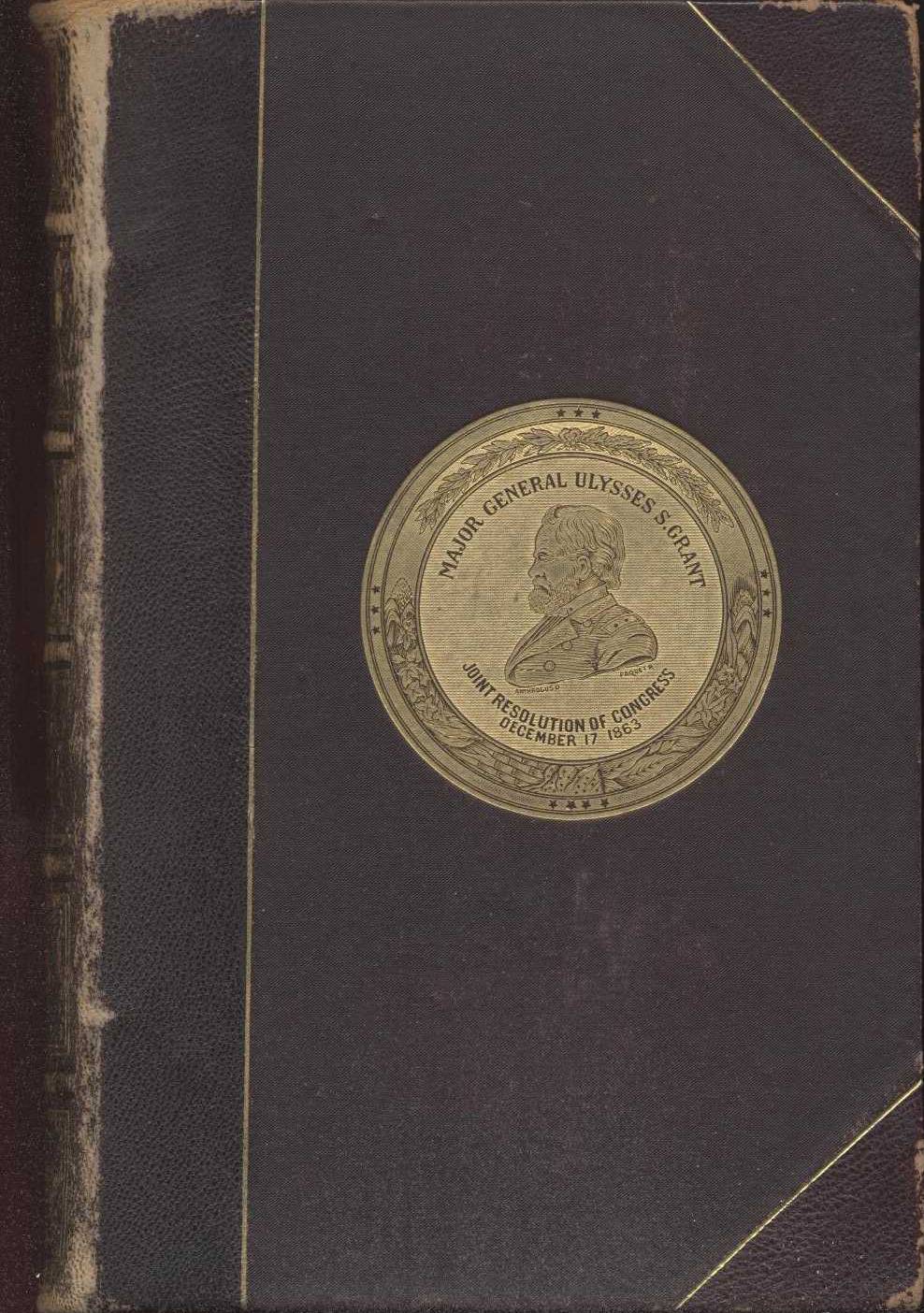
The Great Conspiracy, Complete
1862
The Great Conspiracy, Complete
1862
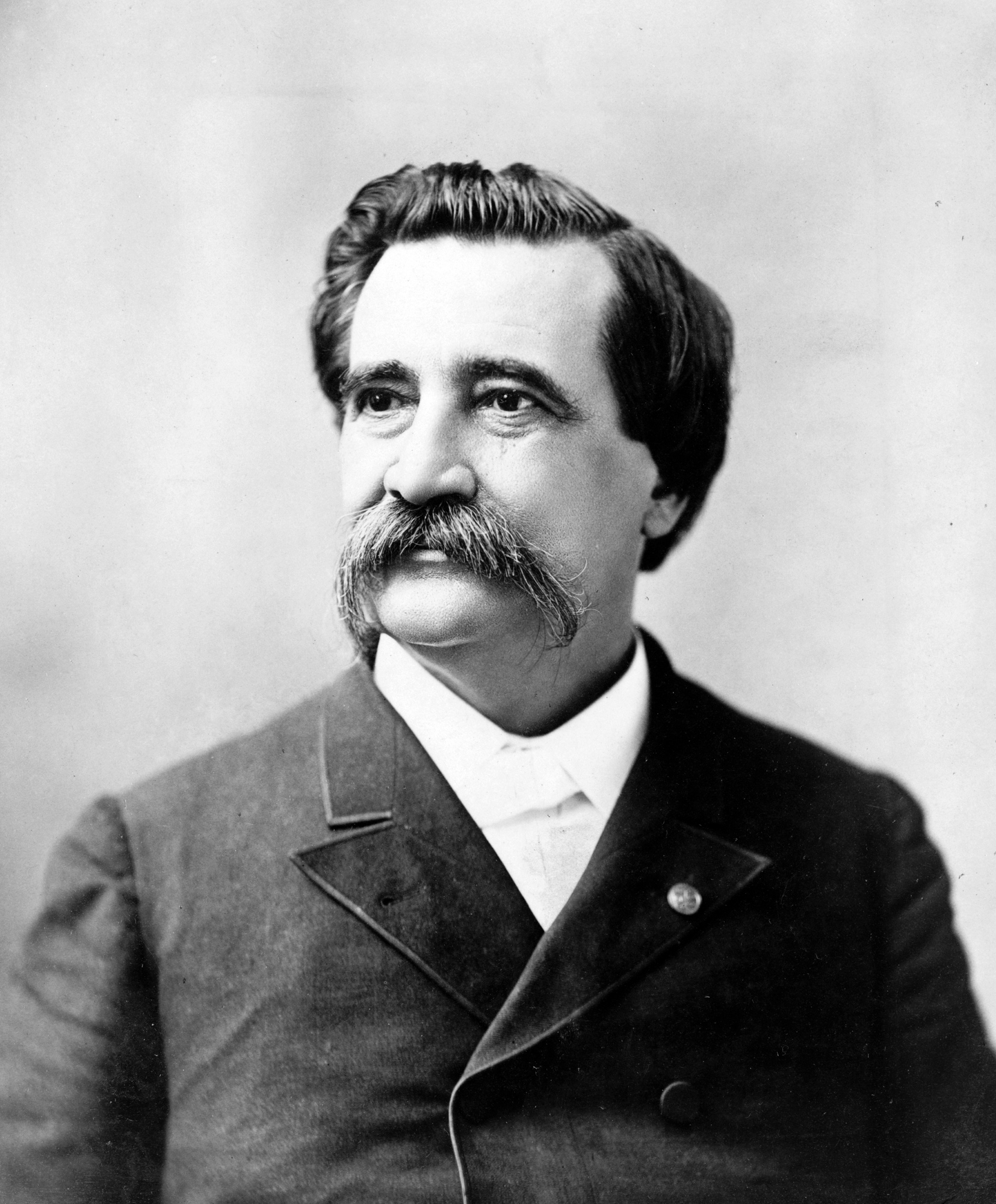
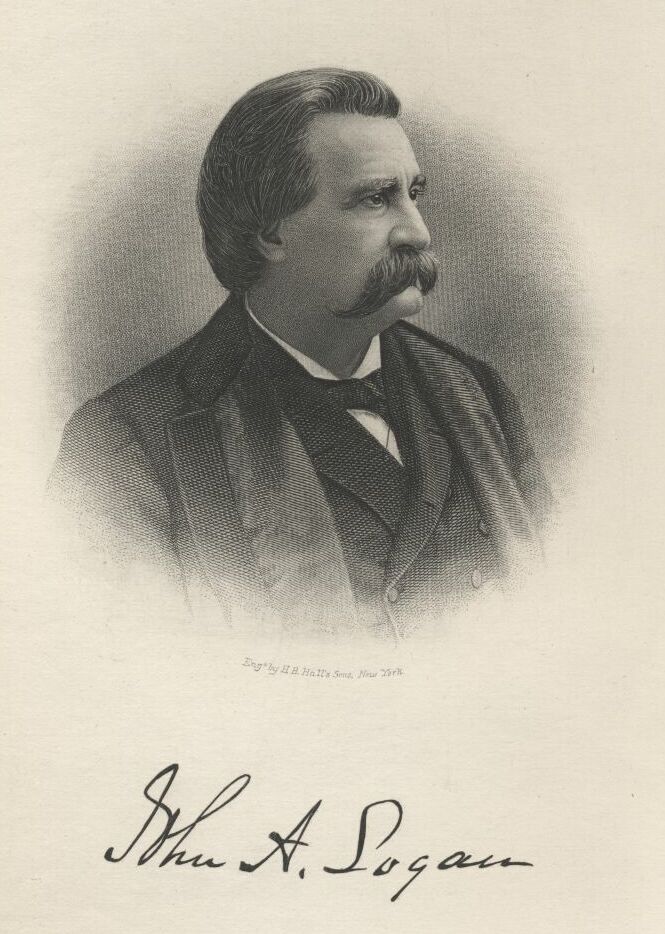
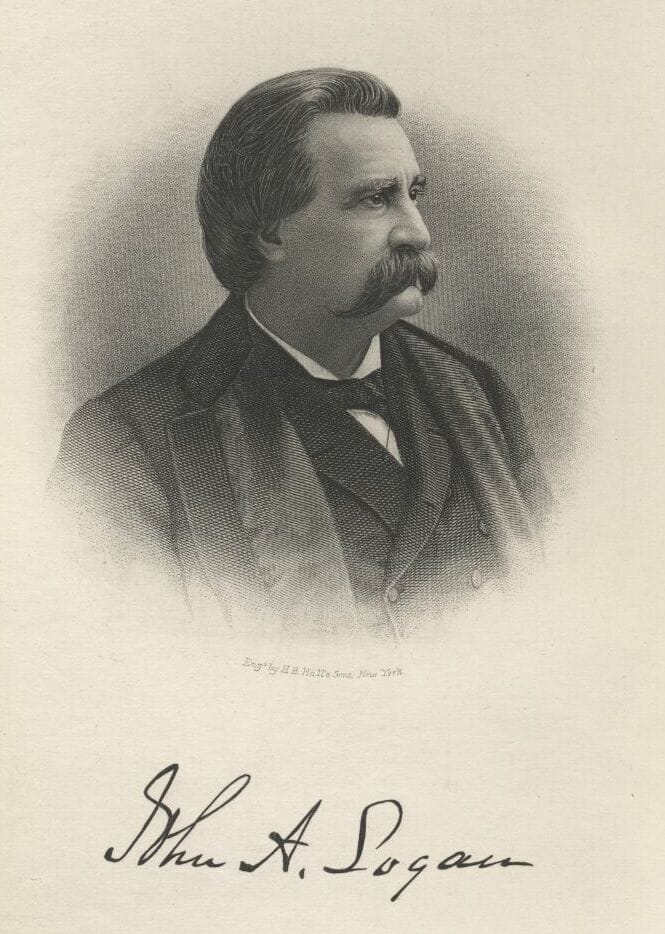
Written in the crucible of the Civil War itself, this 1862 volume offers an urgent, impassioned Northern perspective on what Logan framed as the 'Great Conspiracy' that drove the nation to armed conflict. Logan, a Union general and future senator, traces the origins of the war back to the founding era, arguing that slavery's defenders had long plotted to expand the institution and preserve their political power, ultimately forcing the North into a defensive war for the Union itself. The book moves from the Constitution's creation through the Missouri Compromise, the Kansas-Nebraska Act, and the secession crisis, presenting a tightly argued case that the war was not merely about tariffs or states' rights but about the survival of republican government against a slaveholding conspiracy. Though modern historians reject its polemical framing and simplified villains, the text remains a fascinating window into how Northern elites made sense of the catastrophe unfolding around them. It is essential reading for anyone interested in Civil War memory, 19th-century political rhetoric, or how Americans processed unprecedented violence in real time.
Editions
X-Ray
“I certainly wish that all men could be Free, while you, I suppose, do not.””
— John Alexander Logan
Link to this book
Add a free, dofollow link to Lex on your blog, forum, syllabus, or reading list.

<a href="https://lex-books.com/book/the-great-conspiracy-complete-022b885b-0734-4007-b752-790263026e7b"><img src="https://lex-books.com/badges/read-on-lex.svg" alt="Read The Great Conspiracy, Complete by John Alexander Logan free on Lex" width="160" height="40"></a>[](https://lex-books.com/book/the-great-conspiracy-complete-022b885b-0734-4007-b752-790263026e7b)[url=https://lex-books.com/book/the-great-conspiracy-complete-022b885b-0734-4007-b752-790263026e7b][img]https://lex-books.com/badges/read-on-lex.svg[/img][/url]Read The Great Conspiracy, Complete by John Alexander Logan free on Lex: https://lex-books.com/book/the-great-conspiracy-complete-022b885b-0734-4007-b752-790263026e7bCite this book
Reading this edition for a paper or guide? Copy a citation.
Logan, John Alexander. The Great Conspiracy, Complete. Lex, lex-books.com/book/the-great-conspiracy-complete-022b885b-0734-4007-b752-790263026e7b.Logan, J. A. (1862). The Great Conspiracy, Complete. Lex. https://lex-books.com/book/the-great-conspiracy-complete-022b885b-0734-4007-b752-790263026e7bLogan, John Alexander. The Great Conspiracy, Complete. Lex. https://lex-books.com/book/the-great-conspiracy-complete-022b885b-0734-4007-b752-790263026e7b.