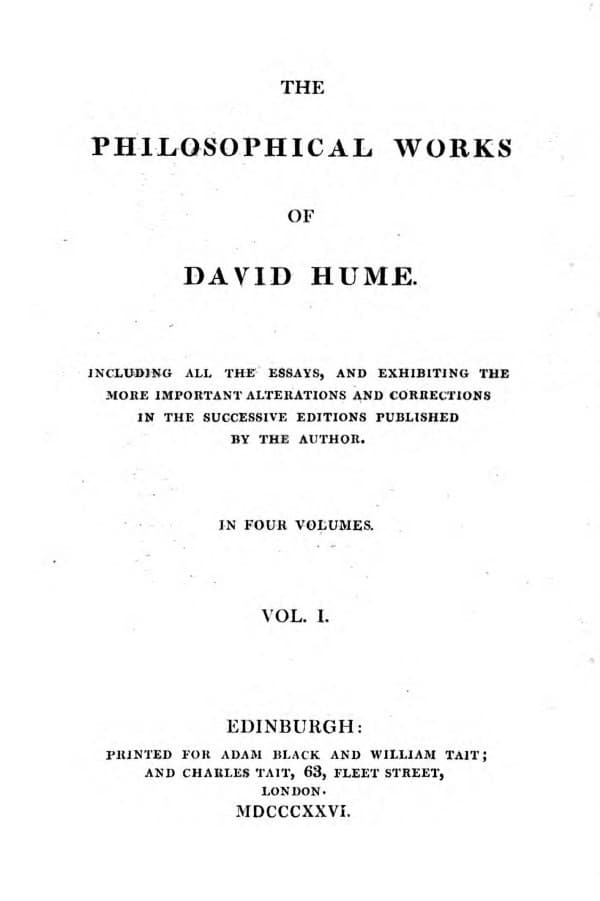
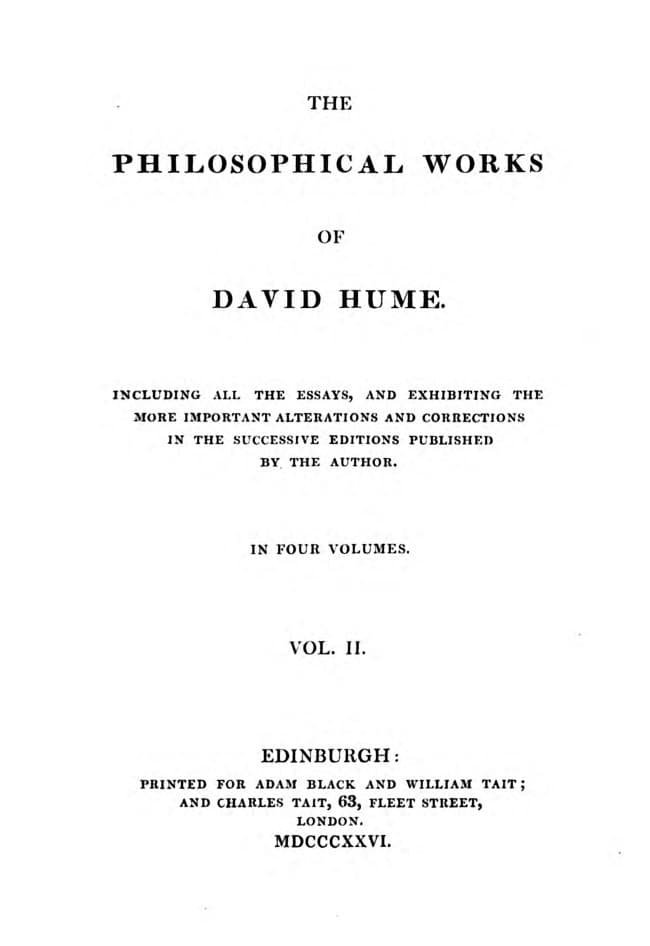
An Enquiry Concerning Human Understanding
1748
An Enquiry Concerning Human Understanding
1748
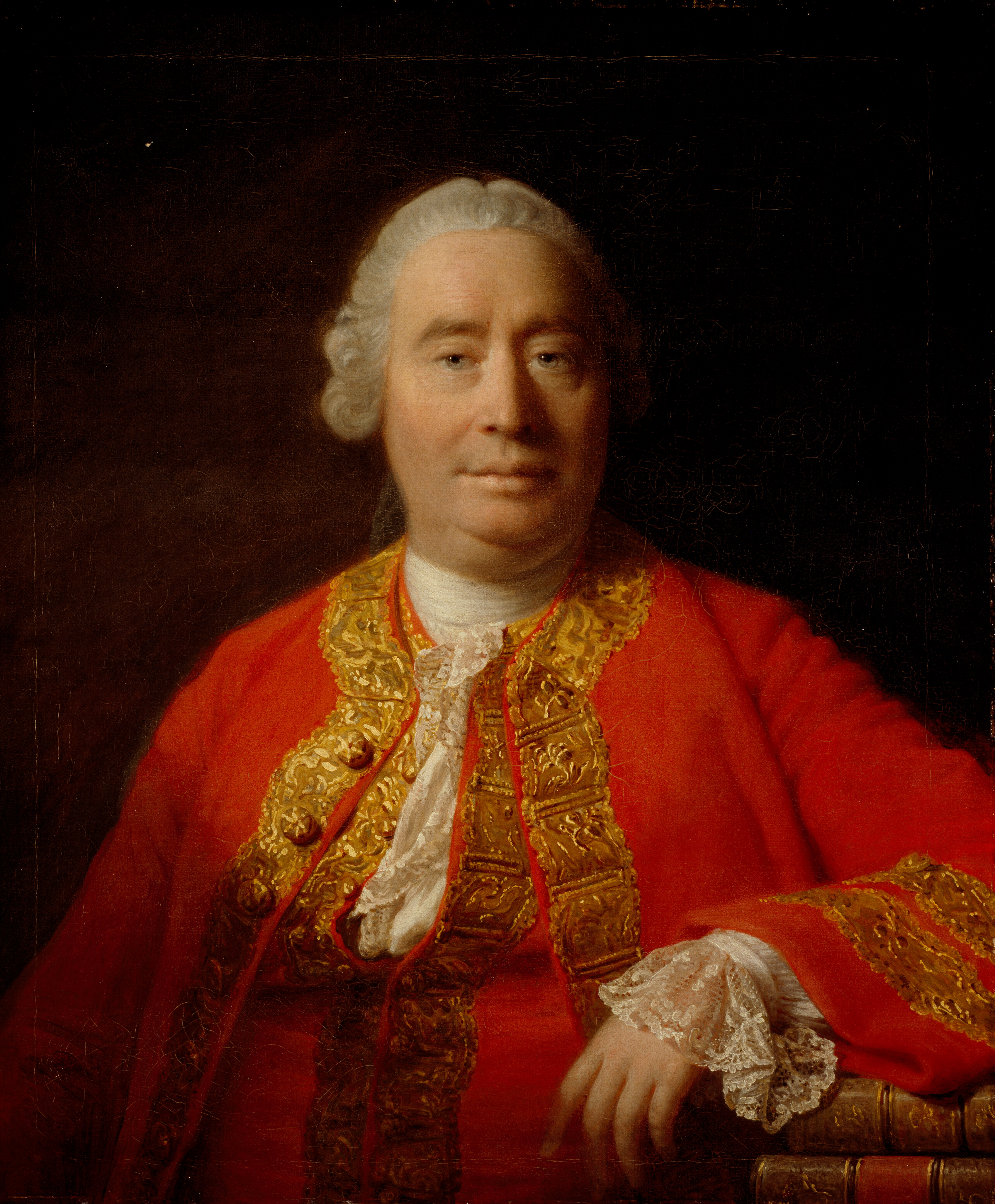
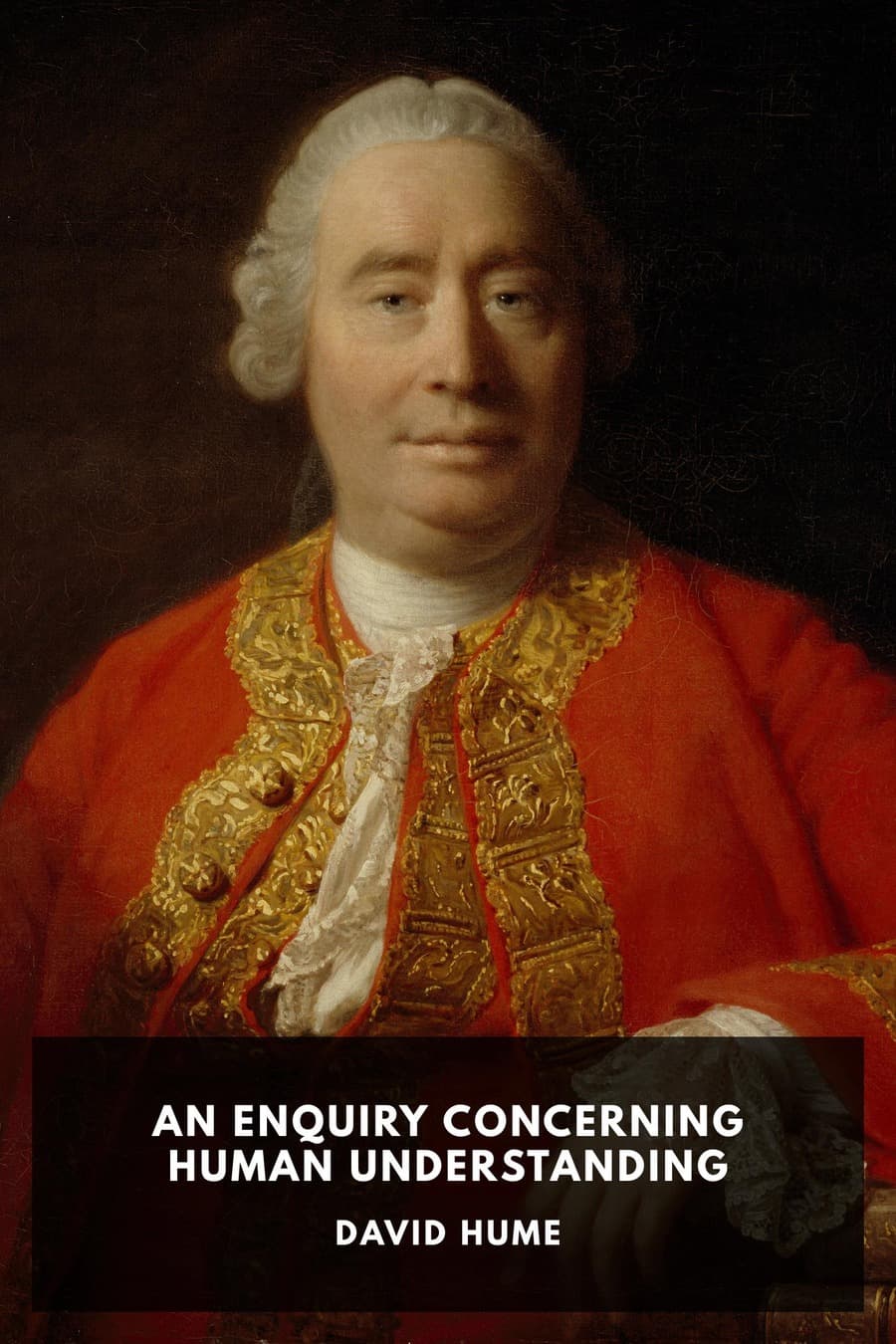
In 1748, a Scottish philosopher published a short book that would demolish humanity's confidence in its own reasoning. David Hume argued that when we believe one event causes another, we are not reasoning at all. We are merely observing that two things have always occurred together, and allowing habit to trick us into necessity. There is no rational proof that the sun will rise tomorrow, no logical demonstration that the billiard ball will move when struck. All knowledge, Hume contends, flows from experience, and experience gives us nothing but isolated impressions. The mind weaves these into ideas through association, building a world of belief on foundations far weaker than we imagined. This was the book that woke Immanuel Kant from his "dogmatic slumber" and reshaped every philosophy that followed. Hume does not despair at this discovery. Instead, he turns it into a radical freedom: if reason cannot justify our deepest convictions, perhaps humility becomes wisdom. The Enquiry is not a rejection of knowledge but a precise accounting of its boundaries. For anyone who has ever wondered how they know what they think they know, this compact masterpiece remains the most honest answer ever given.
Editions


X-Ray
“In our reasonings concerning matter of fact, there are all imaginable degrees of assurance, from the highest certainty to the lowest species of moral evidence. .””
— David Hume
“Be a philosopher; but, amidst all your philosophy, be still a man.””
— David Hume
“Where am I, or what? From what causes do I derive my existence, and to what condition shall I return? ... I am confounded with all these questions, and begin to fancy myself in the most deplorable condition imaginable, environed with the deepest darkness, and utterly deprived of the use of every member and faculty.Most fortunately it happens, that since Reason is incapable of dispelling these clouds, Nature herself suffices to that purpose, and cures me of this philosophical melancholy and delirium, either by relaxing this bent of mind, or by some avocation, and lively impression of my senses, which obliterate all these chimeras. I dine, I play a game of backgammon, I converse, and am merry with my friends. And when, after three or four hours' amusement, I would return to these speculations, they appear so cold, and strained, and ridiculous, that I cannot find in my heart to enter into them any farther.””
— David Hume
“The sweetest and most inoffensive path of life leads through the avenues of science and learning; and whoever can either remove any obstructions in this way, or open up any new prospect, ought so far to be esteemed a benefactor to mankind.””
— David Hume
“Indulge your passion for science…but let your science be human, and such as may have a direct reference to action and society. Be a philosopher; but amidst all your philosophy, be still a man.””
— David Hume
“Scepticism may be theoretically irrefutable, but even the sceptic must ‘act … and live, and converse, like other men’, since human nature gives him no choice.””
— David Hume
“The feelings of our heart, the agitation of our passions, the vehemence of our affections, dissipate all its conclusions, and reduce the profound philosopher to a mere plebeian””
— David Hume
“A miracle is a violation of the laws of nature; and because firm and unalterable experience has established these laws, the case against a miracle is”
— David Hume
“When we run over libraries, persuaded of these principles, what havoc must we make? If we take in our hand any volume of divinity or school metaphysics, for instance, let us ask, Does it contain any abstract reasoning concerning quantity or number? No. Does it contain any experimental reasoning concerning matter of fact and existence? No. Commit it then to the flames, for it can contain nothing but sophistry and illusion.””
— David Hume
Link to this book
Add a free, dofollow link to Lex on your blog, forum, syllabus, or reading list.

<a href="https://lex-books.com/book/an-enquiry-concerning-human-understanding-3a082b48-41da-4201-b1c8-6c86f5dea386"><img src="https://lex-books.com/badges/read-on-lex.svg" alt="Read An Enquiry Concerning Human Understanding by David Hume free on Lex" width="160" height="40"></a>[](https://lex-books.com/book/an-enquiry-concerning-human-understanding-3a082b48-41da-4201-b1c8-6c86f5dea386)[url=https://lex-books.com/book/an-enquiry-concerning-human-understanding-3a082b48-41da-4201-b1c8-6c86f5dea386][img]https://lex-books.com/badges/read-on-lex.svg[/img][/url]Read An Enquiry Concerning Human Understanding by David Hume free on Lex: https://lex-books.com/book/an-enquiry-concerning-human-understanding-3a082b48-41da-4201-b1c8-6c86f5dea386Cite this book
Reading this edition for a paper or guide? Copy a citation.
Hume, David. An Enquiry Concerning Human Understanding. Lex, lex-books.com/book/an-enquiry-concerning-human-understanding-3a082b48-41da-4201-b1c8-6c86f5dea386.Hume, D. (1748). An Enquiry Concerning Human Understanding. Lex. https://lex-books.com/book/an-enquiry-concerning-human-understanding-3a082b48-41da-4201-b1c8-6c86f5dea386Hume, David. An Enquiry Concerning Human Understanding. Lex. https://lex-books.com/book/an-enquiry-concerning-human-understanding-3a082b48-41da-4201-b1c8-6c86f5dea386.