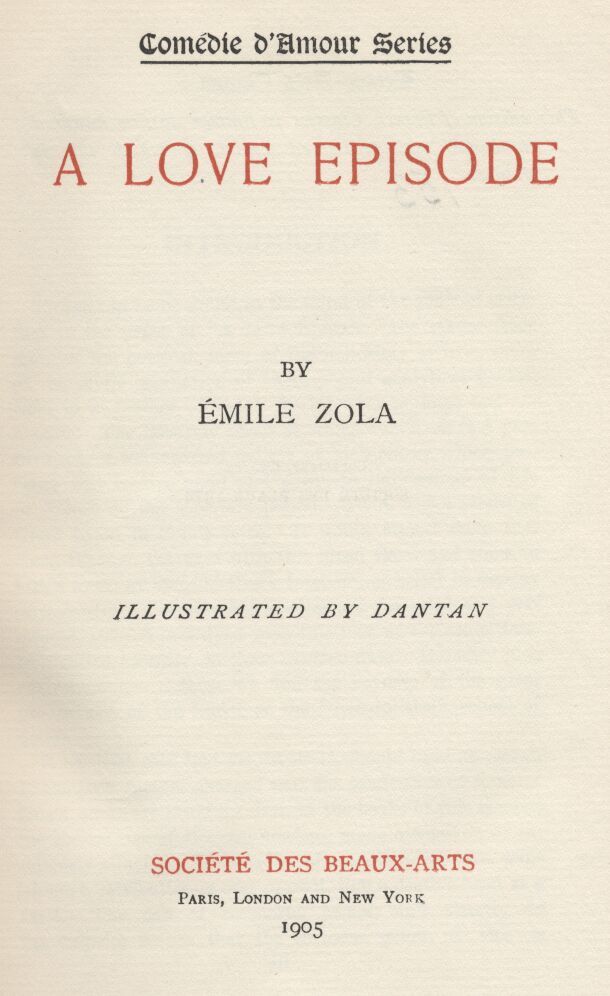
What begins as a mother's desperate vigil over her sick child becomes something far more dangerous in Zola's penetrating study of love, jealousy, and the wounds we inflict on those we claim to protect. Hélène Grandjean, a young widow living in modest seclusion with her delicate daughter Jeanne, has built her world around the child's needs. When Dr. Deberle enters their lives to attend to Jeanne's illness, he brings with him an admiration that swiftly transforms into passion and an attentiveness that threatens to undo everything Hélène has carefully maintained. As Hélène becomes entangled in the doctor's domestic troubles, attempting to shield his wife from a compromising affair, she discovers herself caught between competing loyalties and desires. Jeanne, observant and possessive, recognizes the threat to her mother's devotion and responds with a cunning that exposes the darker currents running beneath familial love. Zola weaves Paris itself into the narrative, its moods and streets mirroring Hélène's internal turbulence, creating one of his most lyrically atmospheric studies of the human heart in conflict with itself. The novel dissects how love can nurture and devour, how protection can become possession, and how the roles we play mask impulses too frightening to name.