Theresa Raquin
Émile Zola's first masterpiece opened with a declaration that shocked France: the novelist as anatomist, dissecting living bodies with the same detachment a pathologist brings to a corpse. Thérèse Raquin is the result: a novel that reads less like Victorian fiction and more like a psychological horror story, one that haunted its initial readers and continues to unsettle today. Set in the suffocating gloom of the Pont Neuf arcade in Paris, it follows a young woman trapped in a loveless marriage to her sickly cousin Camille, her wild nature suppressed beneath decades of obedience. Then Laurent arrives, Camille's old friend, and something long buried ignites. What begins as a desperate affair becomes a murder, and what follows is Zola's unflinching study of what guilt does to the human soul. The killers achieve their goal, marry, and then slowly begin to destroy each other. No ghosts appear. Nothing supernatural. Just two people locked in a apartment with their own conscience, watching desire curdle into hatred. It is bleak, precise, and utterly compelling. For readers who want fiction that interrogates the darker chambers of the human heart, this is where naturalism began.
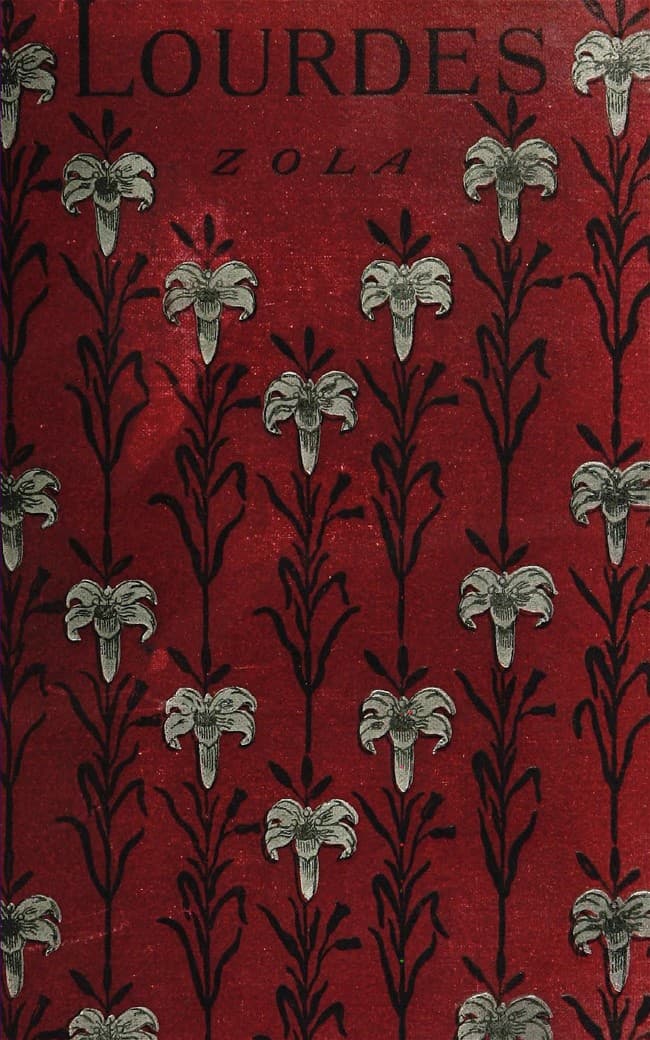
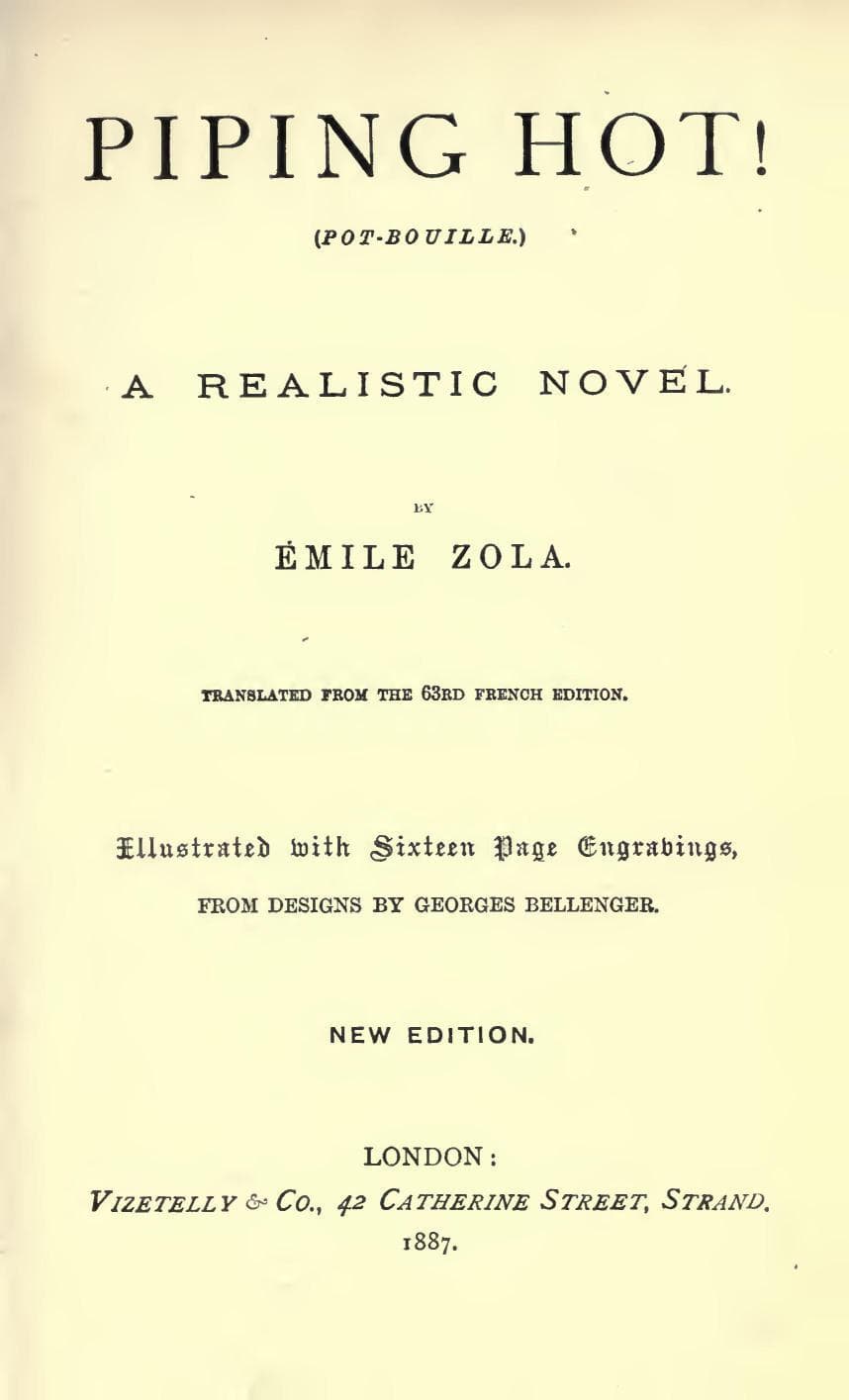
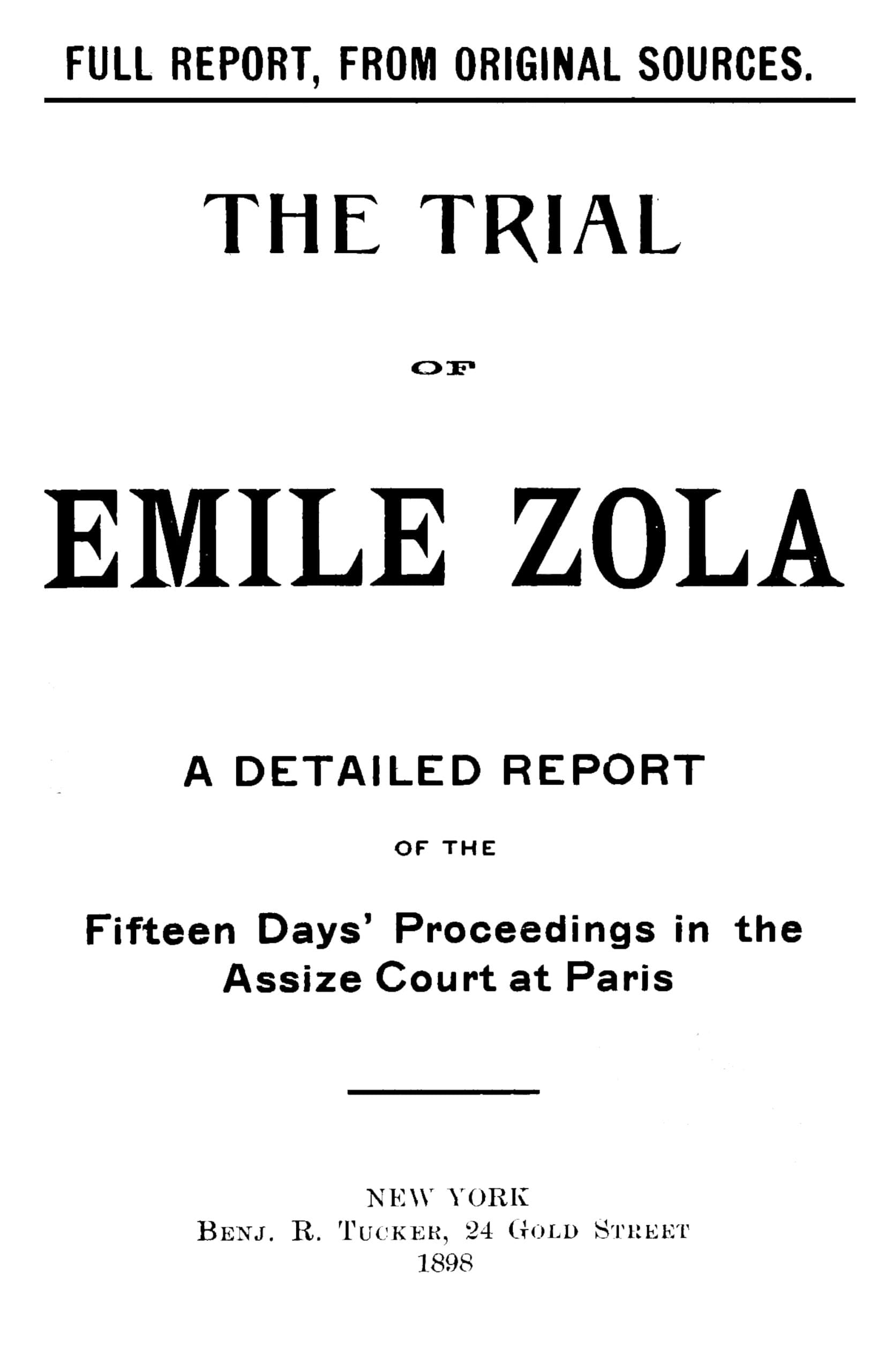
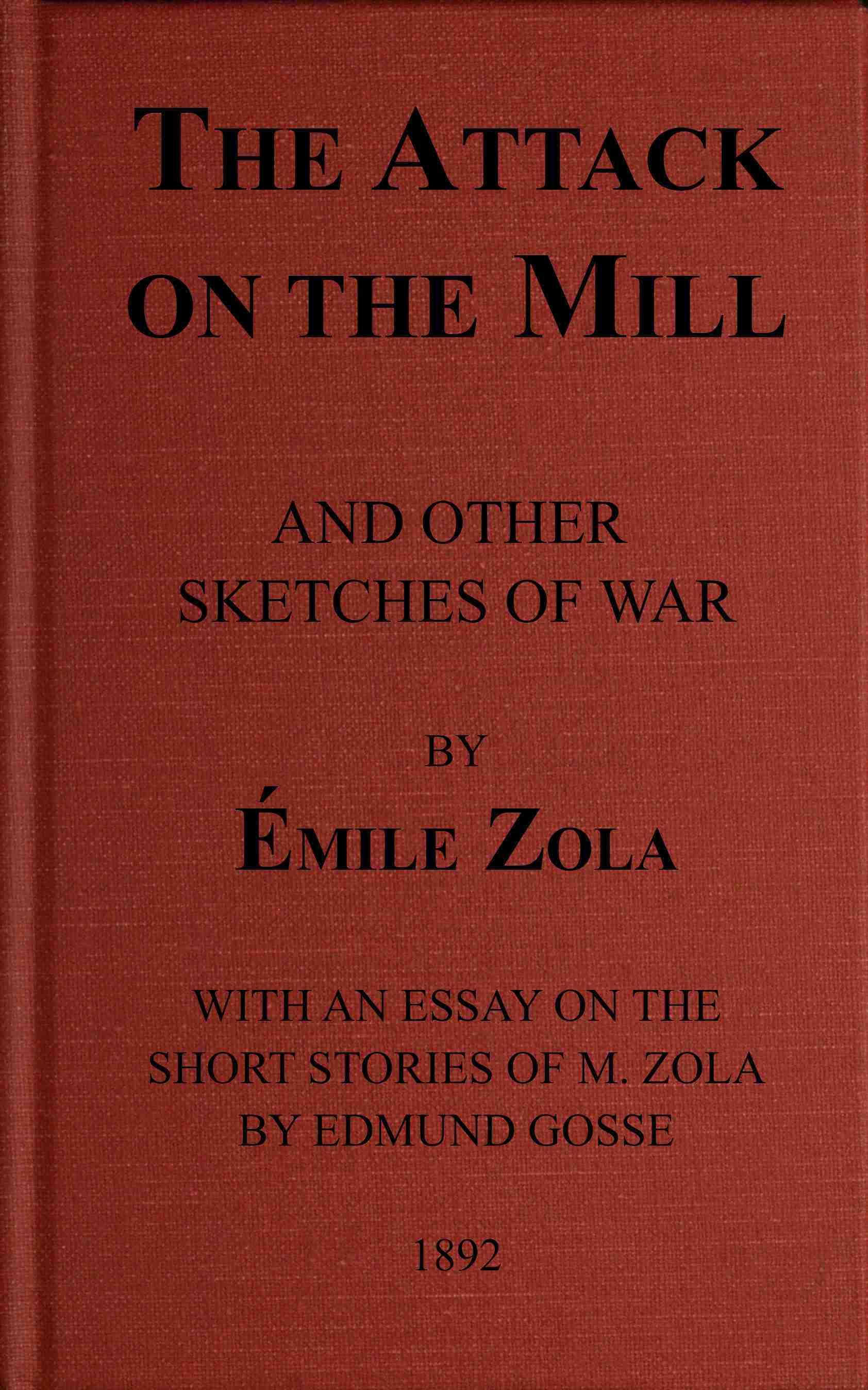
Editions
X-Ray
“When there is no hope in the future, the present appears atrociously bitter.””
— Emile Zola
“They dared not peer down into their own natures, down into the feverish confusion that filled their minds with a kind of dense, acrid mist.””
— Emile Zola
“In the sudden change that had come over her heart she no longer recognized herself””
— Emile Zola
“Nothing could be more heart rending than this mute and motionless dispair””
— Emile Zola
“He knew that, from now on, every day would be alike, that they would all bring the same sufferings. And he saw the weeks, the months, the years that awaited him, gloomy and implacable, coming one after the other, falling on him and suffocating him bit by bit. When the future is without hope, the present takes on a vile, bitter taste.””
— Emile Zola
“Sometimes she was seized with hallucinations and thought she was buried in some vault together with a lot of puppet-like corpses which nodded their heads and moved their legs and arms when you pulled the strings.””
— Emile Zola
“they seemed to be greater strangers than before””
— Emile Zola
“They have so smothered me in their middle-class refinement that I don't know how there can be any blood left in my veins. I lowered my eyes, put on a dismal, silly expression, just like them; I was just as dead-and-alive as they were.””
— Emile Zola
“Living in musty shadows and dismal, oppressive silence, Thérèse could see her whole life stretching out before her totally void, bringing night after night the same cold bed and morning after morning the same empty day.””
— Emile Zola
Link to this book
Add a free, dofollow link to Lex on your blog, forum, syllabus, or reading list.

<a href="https://lex-books.com/book/theresa-raquin-20d8aedf-2e03-4189-a038-afa581cccfe1"><img src="https://lex-books.com/badges/read-on-lex.svg" alt="Read Theresa Raquin by Emile Zola free on Lex" width="160" height="40"></a>[](https://lex-books.com/book/theresa-raquin-20d8aedf-2e03-4189-a038-afa581cccfe1)[url=https://lex-books.com/book/theresa-raquin-20d8aedf-2e03-4189-a038-afa581cccfe1][img]https://lex-books.com/badges/read-on-lex.svg[/img][/url]Read Theresa Raquin by Emile Zola free on Lex: https://lex-books.com/book/theresa-raquin-20d8aedf-2e03-4189-a038-afa581cccfe1Cite this book
Reading this edition for a paper or guide? Copy a citation.
Zola, Emile. Theresa Raquin. Lex, lex-books.com/book/theresa-raquin-20d8aedf-2e03-4189-a038-afa581cccfe1.Zola, E. (n.d.). Theresa Raquin. Lex. https://lex-books.com/book/theresa-raquin-20d8aedf-2e03-4189-a038-afa581cccfe1Zola, Emile. Theresa Raquin. Lex. https://lex-books.com/book/theresa-raquin-20d8aedf-2e03-4189-a038-afa581cccfe1.