Émile Zola
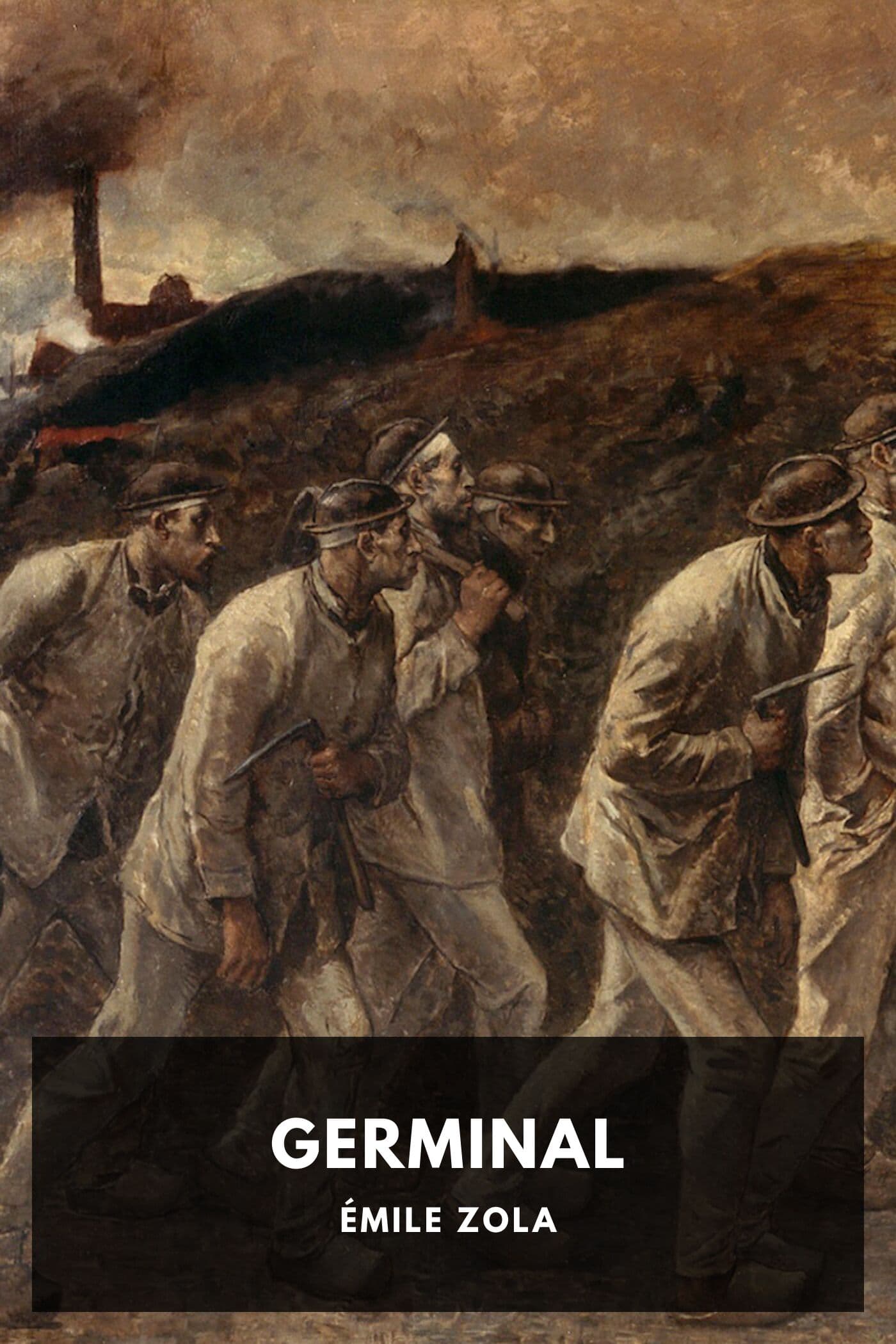
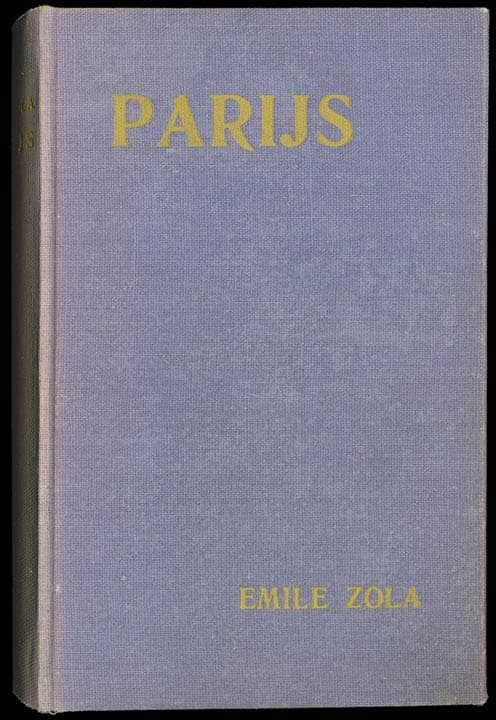
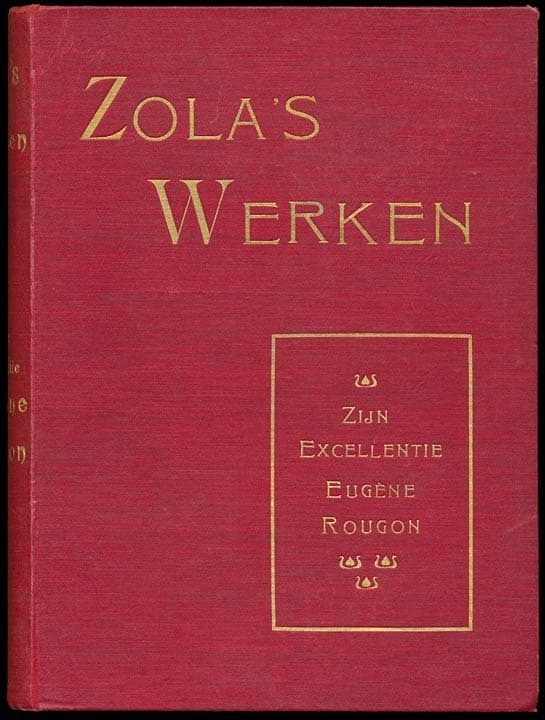
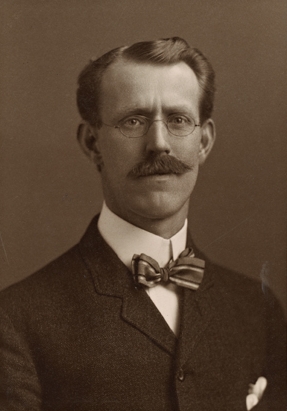
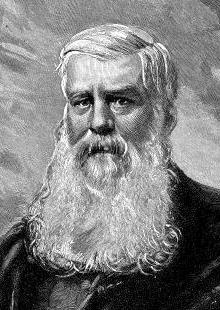
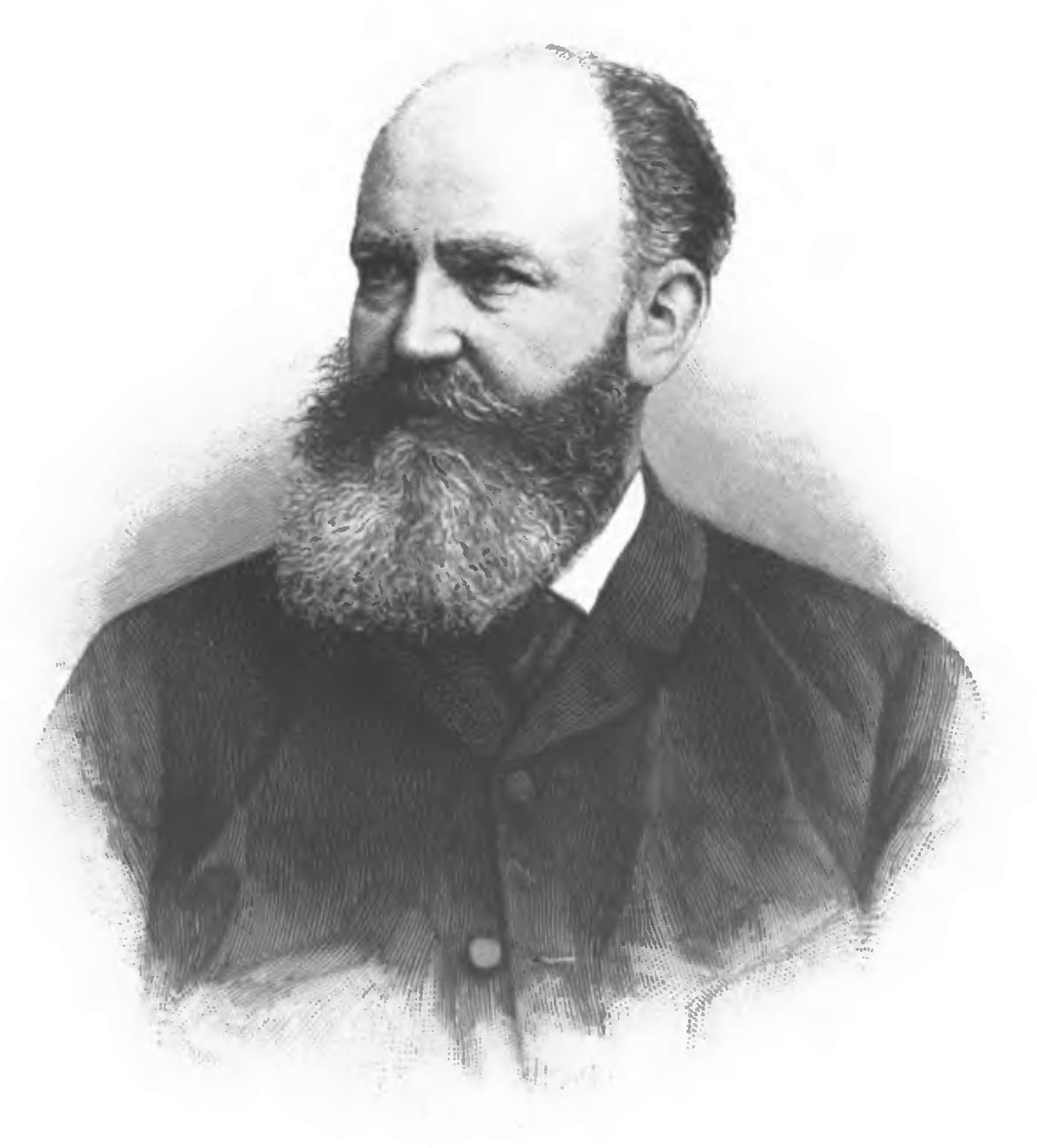
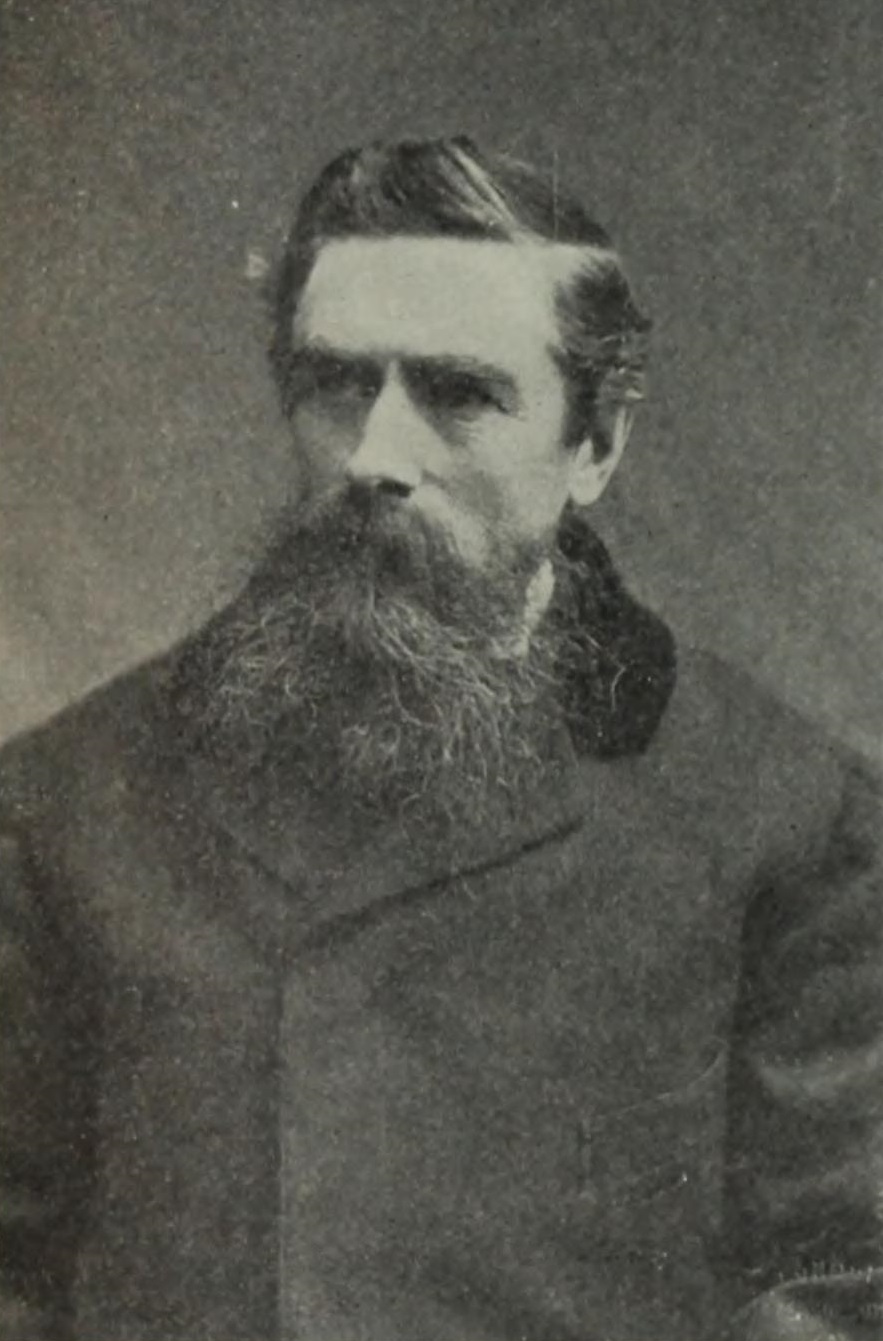
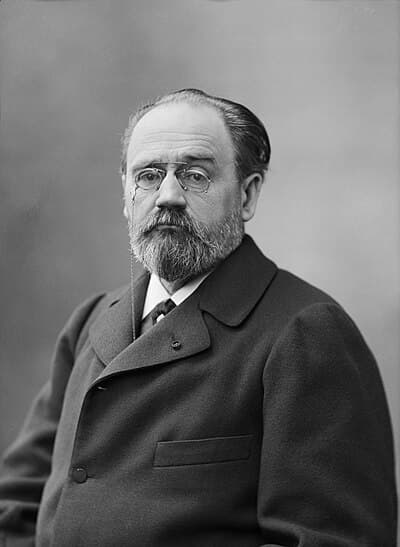
Émile Zola was a French novelist and playwright, renowned for his influential role in the literary movement of naturalism. Born in Paris, Zola's early life was marked by financial struggles, which deeply informed his later works. He began his career as a journalist, using his platform to advocate for social reform and expose the injustices of his time. His most famous work, the twenty-volume series 'Les Rougon-Macquart,' delves into the lives of a single family against the backdrop of the Second Empire in France, exploring themes of heredity, environment, and social conditions. Notable novels from this series include 'Germinal,' which portrays the harsh realities of coal miners, and 'Nana,' which critiques the decadence of Parisian society through the life of a courtesan. Zola's literary significance extends beyond his narrative style; he was a vocal advocate for the Dreyfus Affair, using his pen to champion justice and human rights. His open letter 'J'accuse...!' accused the French government of anti-Semitism and wrongful conviction, which had a profound impact on public opinion and the political landscape of France. Zola's legacy is that of a pioneering figure in realism and naturalism, whose works continue to be studied for their incisive social commentary and vivid characterizations, influencing generations of writers and thinkers in literature and beyond.
Famous Quotes
View all 20 quotes“If you ask me what I came to do in this world, I, an artist, will answer you: I am here to live out loud.””
“I would rather die of passion than of boredom.””
“The artist is nothing without the gift, but the gift is nothing without work.””
Books from the author