The Fat and the Thin
1873
Zola's masterpiece of appetite and exile unfolds in the stomach of Paris: Les Halles, the vast central market where a thousand smells fight for dominance and fortunes are made and lost before dawn. Florent stumbles into this world famished, fresh from fourteen years of political exile in Cayenne, his crime simply having opposed Napoleon III's Empire. His sister Lisa, a prosperous pork butcher and one of Zola's magnificent Macquart women, takes him in. But Paris has changed, and Florent discovers that even in a place overflowing with food, a hungry man can still starve. The market becomes a jungle where everyone spies on everyone, where the fat grow fatter and the thin grow thinner, where revolution simmers beneath the mountains of cheese and mountains of butter. Zola writes with the intensity of a man who believes novels can change the world: every stall, every vendor, every rotting turnip is a weapon in his argument about who feeds and who is fed. This is naturalism at its most visceral and its most political.
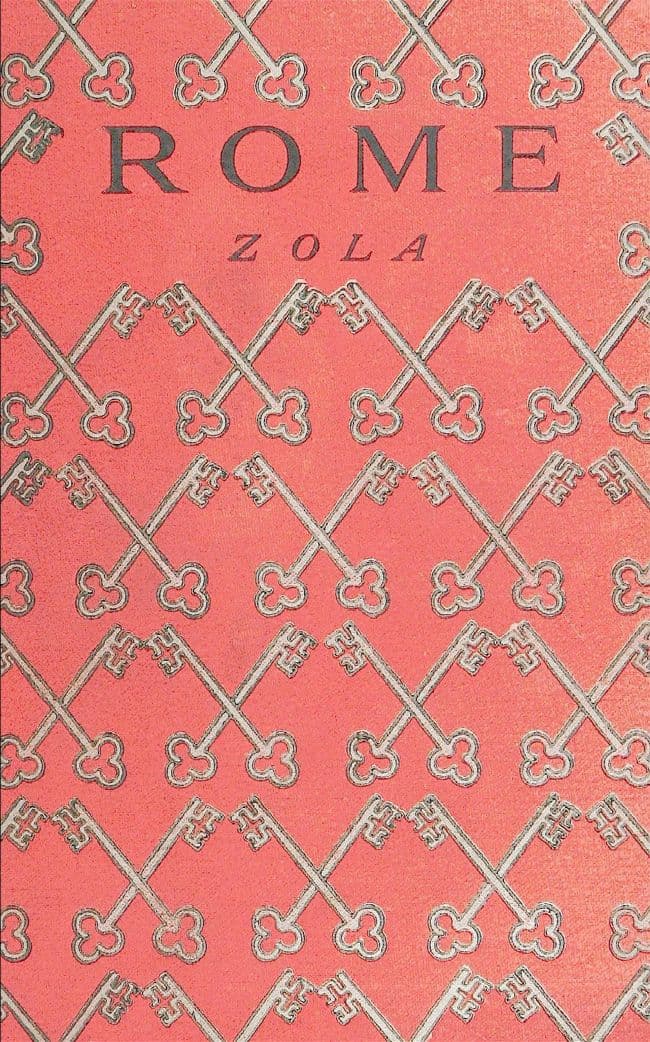
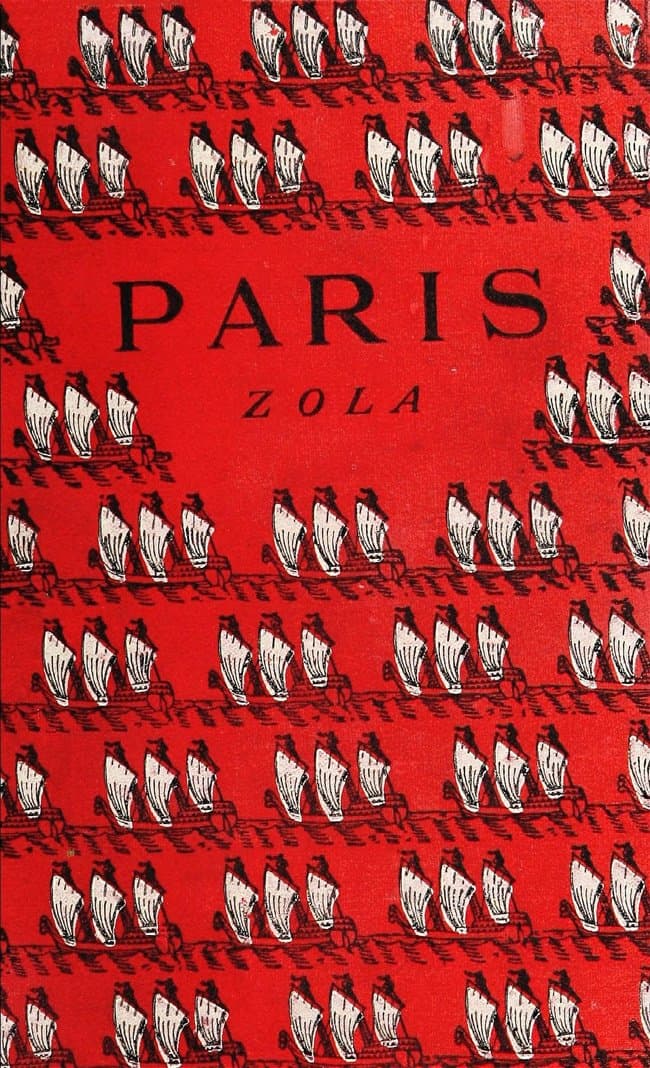
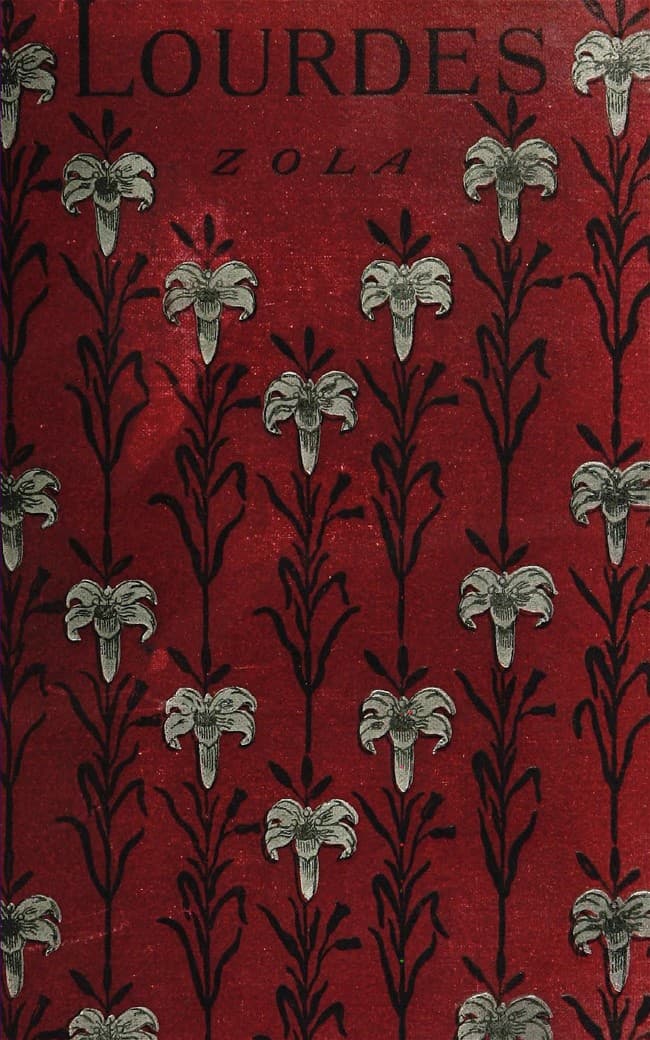
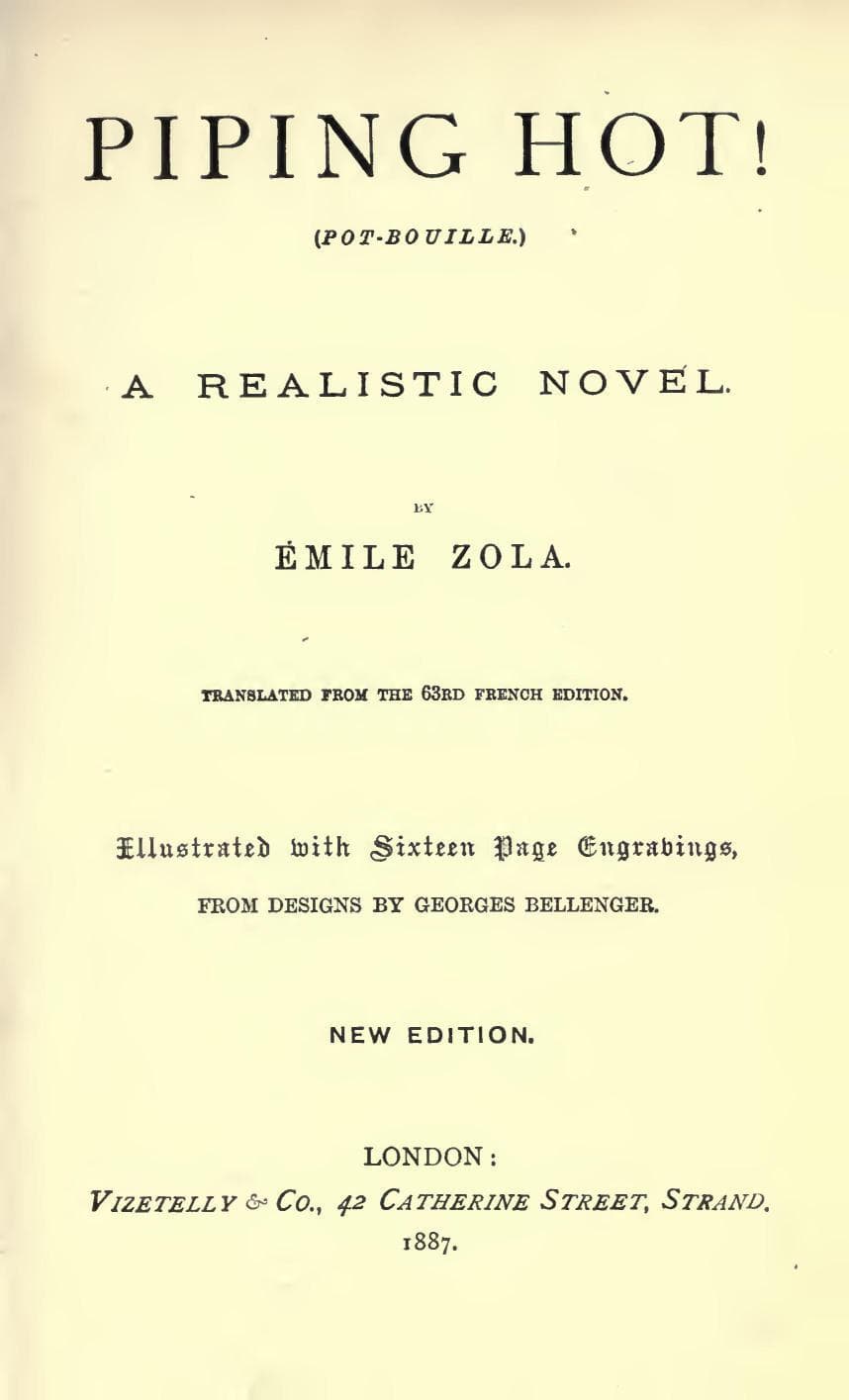
Editions
X-Ray
“Respectable people... What bastards!””
— Emile Zola
“A silence fell at the mention of Gavard. They all looked at each other cautiously. As they were all rather short of breath by this time, it was the camembert they could smell. This cheese, with its gamy odour, had overpowered the milder smells of the marolles and the limbourg; its power was remarkable. Every now and then, however, a slight whiff, a flute-like note, came from the parmesan, while the bries came into play with their soft, musty smell, the gentle sound, so to speak, of a damp tambourine. The livarot launched into an overwhelming reprise, and the géromé kept up the symphony with a sustained high note.””
— Emile Zola
“Good gracious!" she exclaimed, "she's been more than an hour in there! When the priests set about cleansing her of her sins, the choir-boys have to form in line to pass the buckets of filth and empty them in the street!””
— Emile Zola
“Cependant Quenu se rappelait une phrase de Charvet, cette fois, qui déclarait que "ces bourgeois empâtés, ces boutiquiers engraissés, prêtant leur soutien à un gouvernement d' indigestion générale, devaient êtres jetés les premiers au cloaque." C' était grâce à eux, grâce à leur égoïsme du ventre, que le despotisme s' imposait et rongeait une nation.””
— Emile Zola
“Paris, pareil à un pan de ciel étoilé tombé sur un coin de la terre noire, lui apparut sévère et comme fâché de son retour.””
— Emile Zola
“Hanya orang-orang tak berumah, yang memang sudah tidak punya apa-apa dan karenanya tidak mungkin kehilangan apa-apa, yang ingin melihat tembak-menembak dimulai””
— Emile Zola
“Was für Schurken, diese ehrbarenLeute!””
— Emile Zola
Link to this book
Add a free, dofollow link to Lex on your blog, forum, syllabus, or reading list.

<a href="https://lex-books.com/book/the-fat-and-the-thin-fcd314ba-6e7b-4296-b76d-77f731a06d5e"><img src="https://lex-books.com/badges/read-on-lex.svg" alt="Read The Fat and the Thin by Emile Zola free on Lex" width="160" height="40"></a>[](https://lex-books.com/book/the-fat-and-the-thin-fcd314ba-6e7b-4296-b76d-77f731a06d5e)[url=https://lex-books.com/book/the-fat-and-the-thin-fcd314ba-6e7b-4296-b76d-77f731a06d5e][img]https://lex-books.com/badges/read-on-lex.svg[/img][/url]Read The Fat and the Thin by Emile Zola free on Lex: https://lex-books.com/book/the-fat-and-the-thin-fcd314ba-6e7b-4296-b76d-77f731a06d5eCite this book
Reading this edition for a paper or guide? Copy a citation.
Zola, Emile. The Fat and the Thin. Lex, lex-books.com/book/the-fat-and-the-thin-fcd314ba-6e7b-4296-b76d-77f731a06d5e.Zola, E. (1873). The Fat and the Thin. Lex. https://lex-books.com/book/the-fat-and-the-thin-fcd314ba-6e7b-4296-b76d-77f731a06d5eZola, Emile. The Fat and the Thin. Lex. https://lex-books.com/book/the-fat-and-the-thin-fcd314ba-6e7b-4296-b76d-77f731a06d5e.