
George Meredith
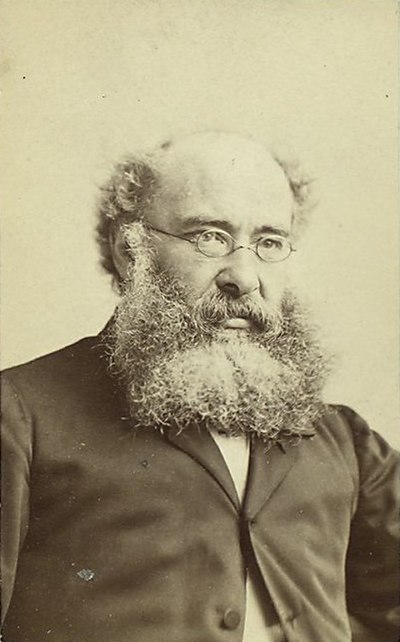
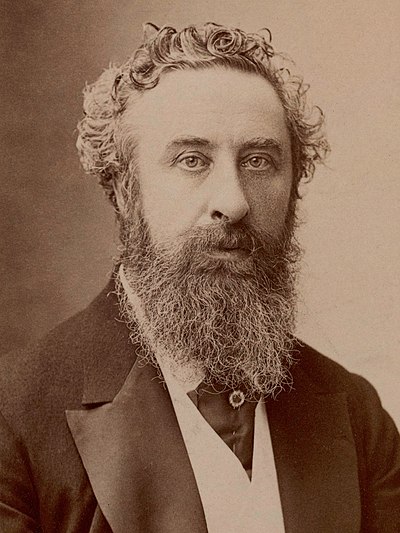
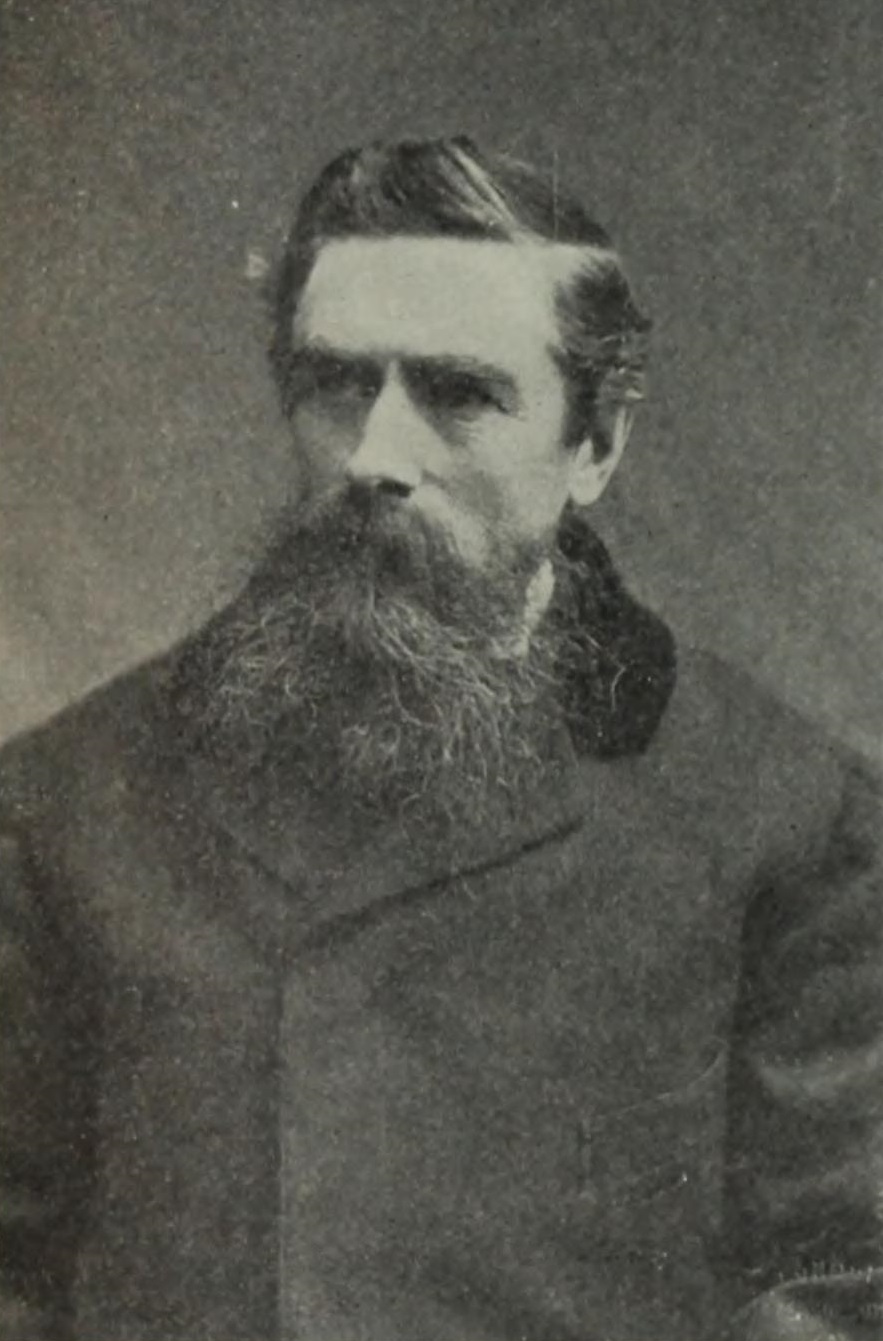
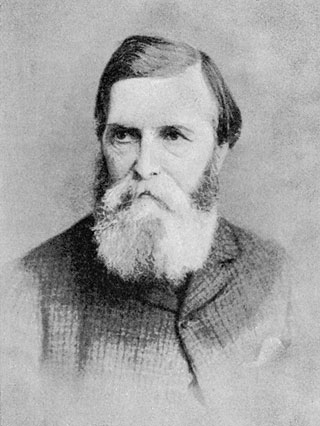
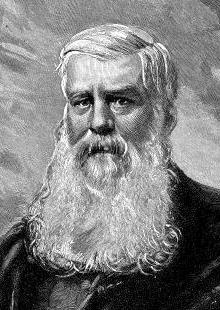
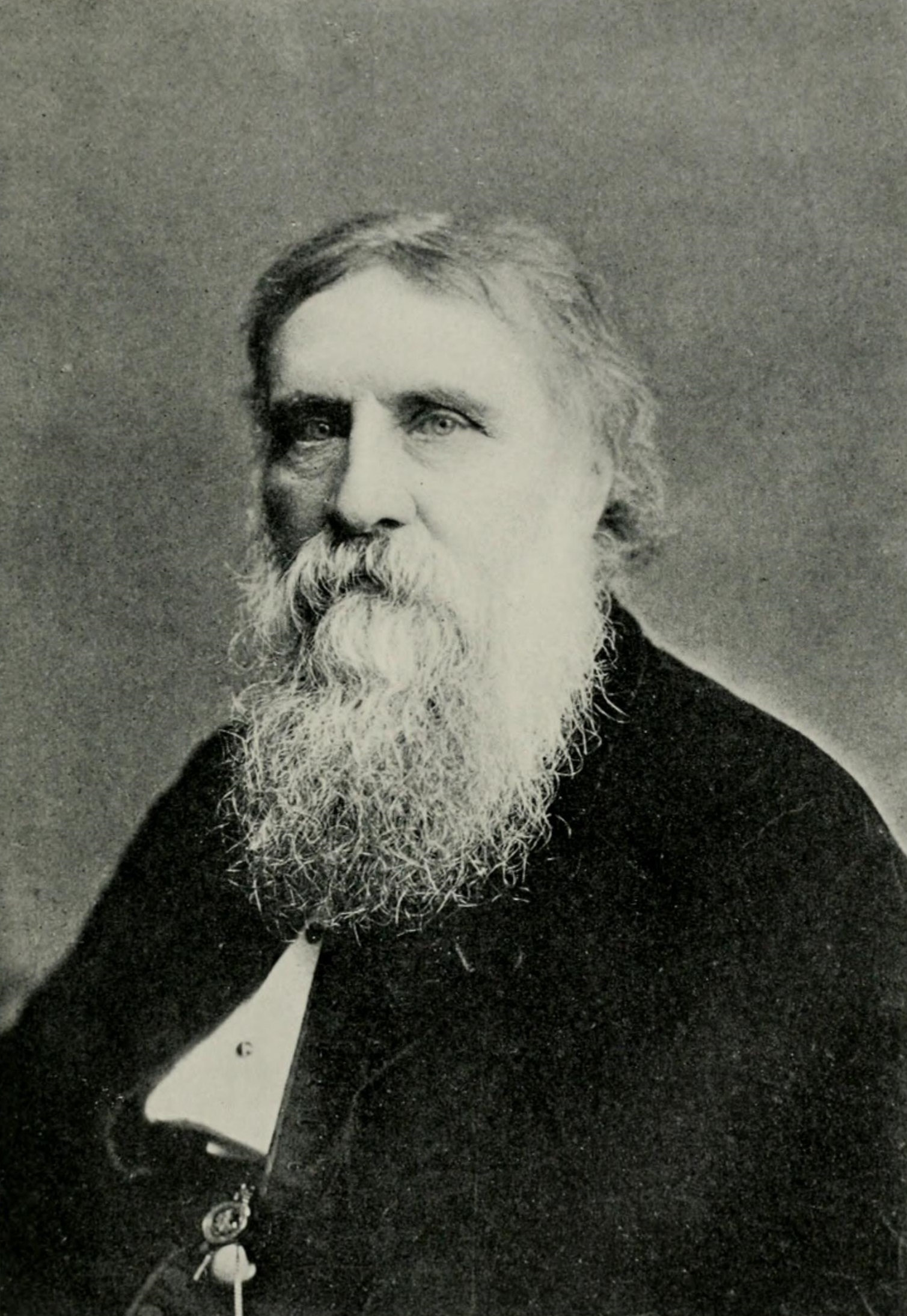
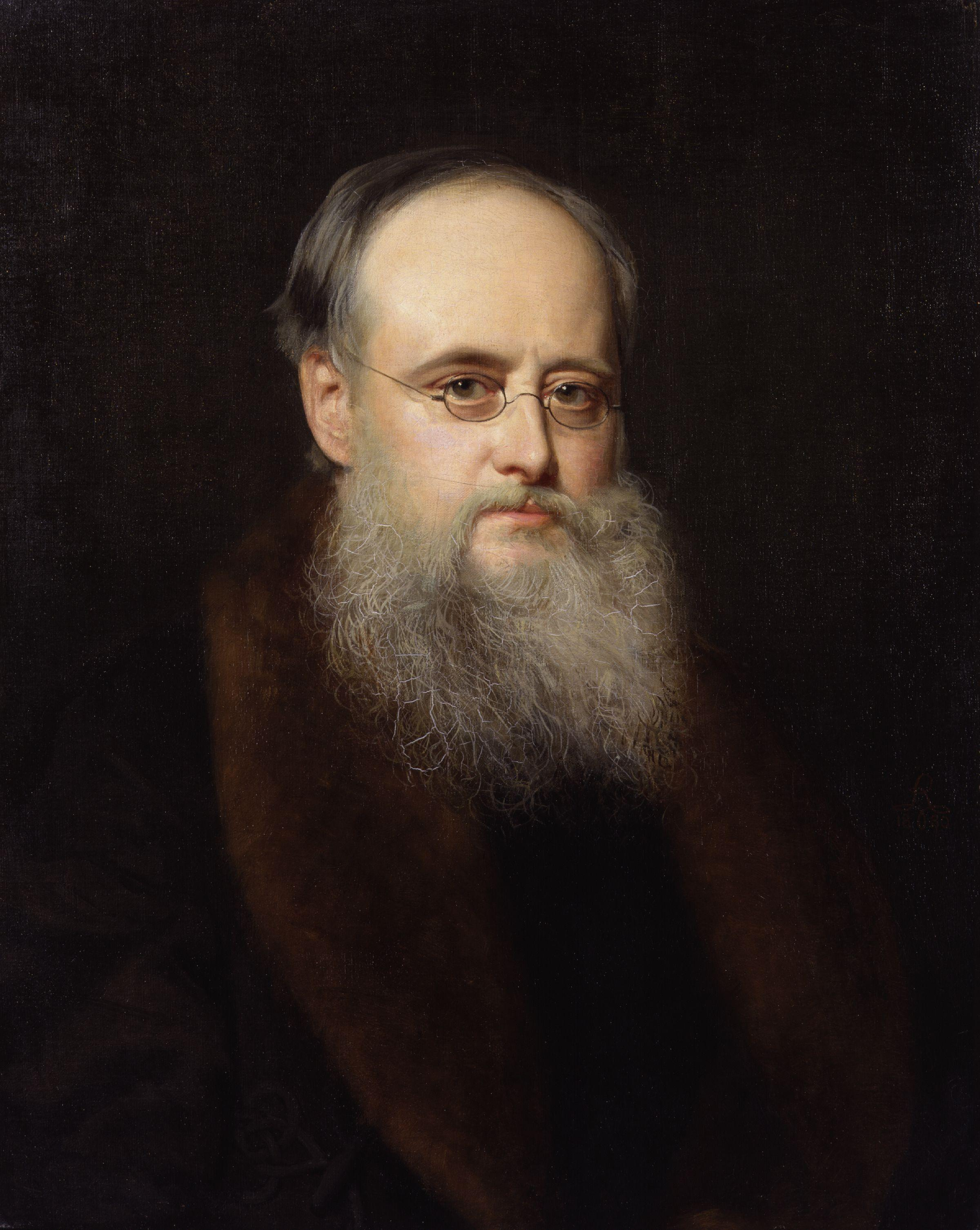
George Meredith was an influential English novelist and poet of the Victorian era, whose literary career began with poetry inspired by John Keats. He gradually transitioned to novel writing, gaining notoriety with works that challenged societal norms and delved into the complexities of human psychology. His early novel, The Ordeal of Richard Feverel (1859), stirred controversy within Victorian literary circles, while his later works, particularly The Egoist (1879) and Diana of the Crossways (1885), showcased his innovative narrative style and deep character exploration. Meredith's writing was characterized by its syntactic complexity, earning praise from contemporaries like Oscar Wilde, who described it as 'chaos illumined by brilliant flashes of lightning.' Meredith's contributions to literature extended beyond his own works; he played a significant role in mentoring and influencing a generation of writers, including Robert Louis Stevenson and George Gissing. His focus on psychological depth and social change in literature marked a departure from the conventions of his time, making him a pivotal figure in the evolution of the novel. Despite being nominated for the Nobel Prize in Literature seven times, his legacy is perhaps best encapsulated in the lasting impact of his innovative storytelling and character-driven narratives on future generations of writers.
Famous Quotes
View all 15 quotes“Kissing don't last: cookery do !””
Books from the author


Link to this page
Add a free, dofollow link to Lex on your blog, forum, syllabus, or reading list.

<a href="https://lex-books.com/author/george-meredith"><img src="https://lex-books.com/badges/read-on-lex.svg" alt="George Meredith on Lex" width="160" height="40"></a>[](https://lex-books.com/author/george-meredith)[url=https://lex-books.com/author/george-meredith][img]https://lex-books.com/badges/read-on-lex.svg[/img][/url]George Meredith on Lex: https://lex-books.com/author/george-meredith