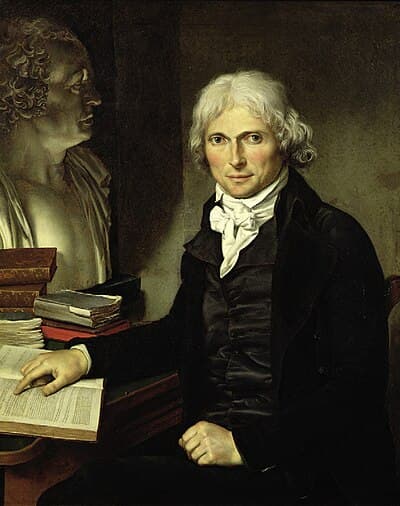
Xavier Bichat
Marie François Xavier Bichat was a pioneering French anatomist and pathologist who laid the groundwork for modern histology. Working without the aid of a microscope, Bichat made significant contributions to the understanding of human anatomy by identifying 21 distinct types of elementary tissues that compose the organs of the body. His revolutionary approach shifted the focus from viewing organs as singular entities to understanding them as complex collections of various tissues, fundamentally altering the landscape of medical science. Bichat's work emphasized the importance of tissue in anatomy, which became a cornerstone of pathological anatomy and histology. Although Bichat's influence was not widely recognized during his lifetime, his theories gained substantial traction in the medical community decades after his untimely death. His classification of diseases based on specific lesions in tissues transformed the practice of medicine, promoting a more systematic and diagnostic approach that favored hospital-based care over traditional empiric therapies. The legacy of Bichat's work is evident in the continued relevance of his tissue theory, which has shaped the fields of anatomy and pathology, and his name endures in medical terminology, notably with the buccal fat pad, known as Bichat’s fat pad, named in his honor.
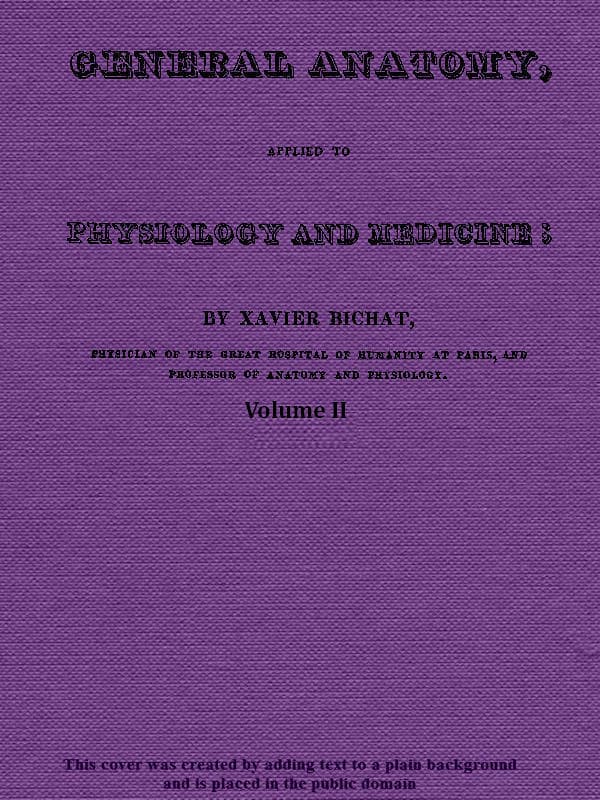
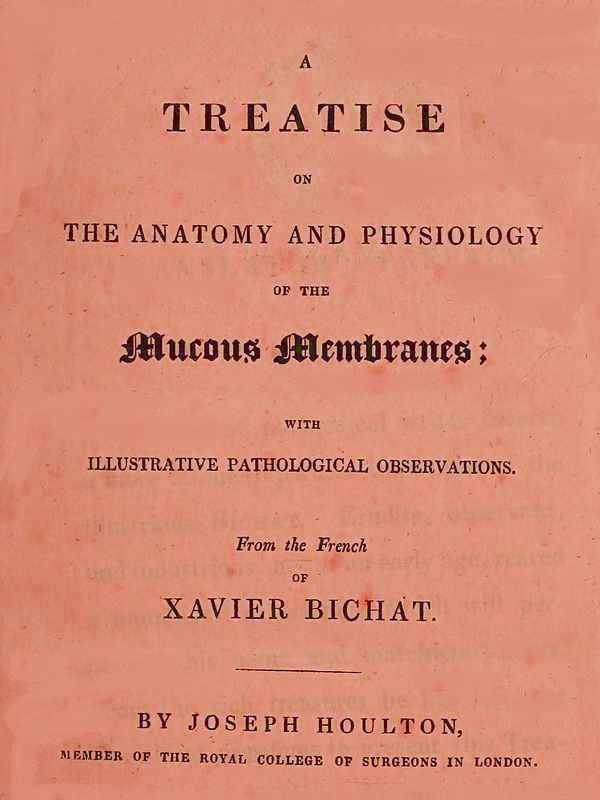
Books from the author


Link to this page
Add a free, dofollow link to Lex on your blog, forum, syllabus, or reading list.

<a href="https://lex-books.com/author/xavier-bichat"><img src="https://lex-books.com/badges/read-on-lex.svg" alt="Xavier Bichat on Lex" width="160" height="40"></a>[](https://lex-books.com/author/xavier-bichat)[url=https://lex-books.com/author/xavier-bichat][img]https://lex-books.com/badges/read-on-lex.svg[/img][/url]Xavier Bichat on Lex: https://lex-books.com/author/xavier-bichat