
William Stanley Jevons
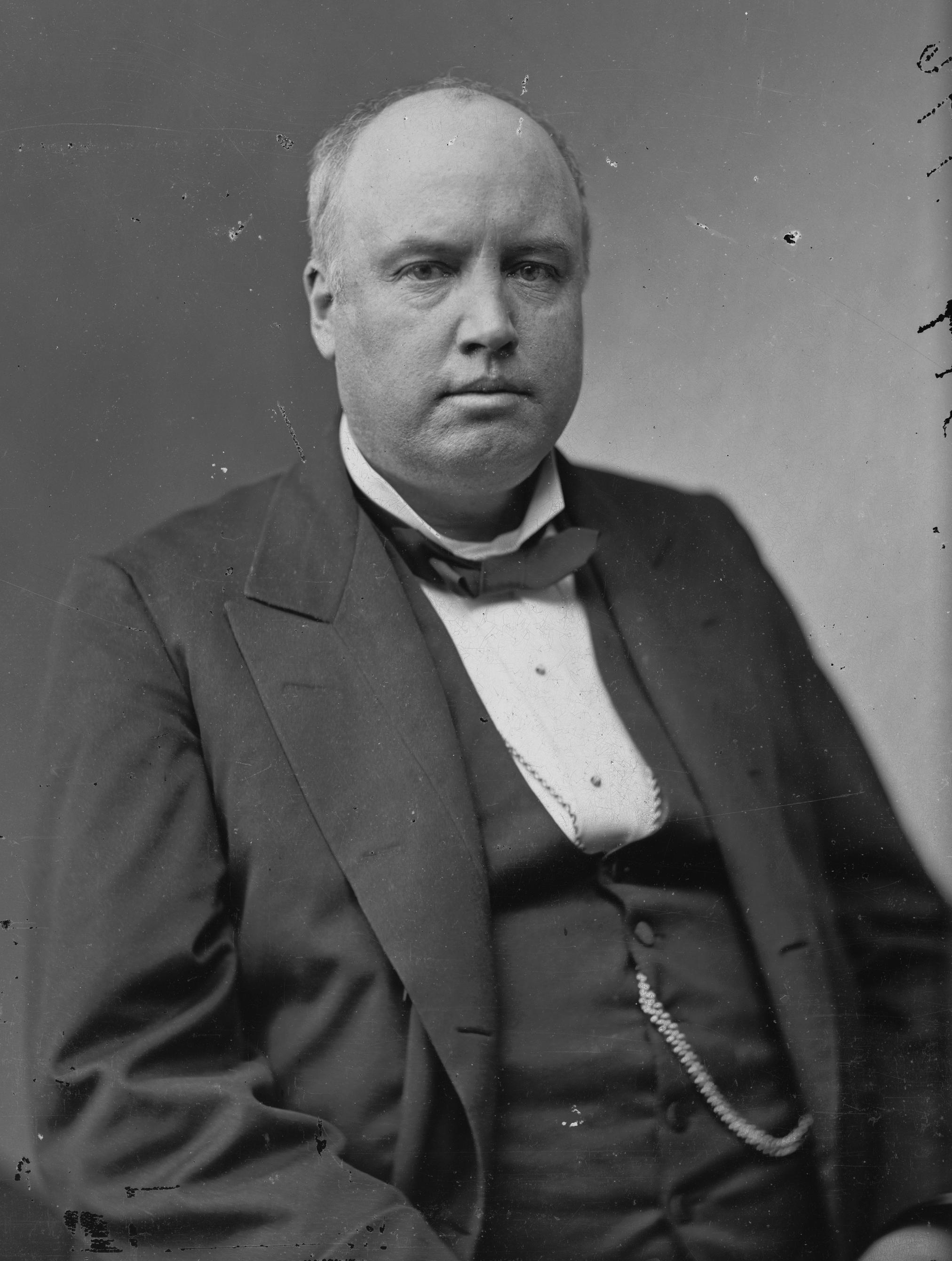
William Stanley Jevons was an influential English economist and logician whose work laid the groundwork for modern economic theory. He is best known for his seminal book, 'A General Mathematical Theory of Political Economy' (1862), which introduced the mathematical method to economics and articulated the marginal utility theory of value. This theory posited that the value of a good is determined by its utility to the consumer, which diminishes with each additional unit owned. Jevons's insights, alongside those of contemporaries like Carl Menger and Léon Walras, heralded a transformative period in economic thought known as the marginal revolution. Jevons's early career began in the natural sciences, but his move to Sydney as an assayer sparked his interest in political economy. Upon returning to England, he published several important works, including 'A Serious Fall in the Value of Gold' (1863), which further established his reputation as a leading thinker in economics. His innovative approaches not only advanced the field but also influenced subsequent generations of economists, solidifying his legacy as a pivotal figure in the development of economic theory and logic.
Famous Quotes
View all 3 quotes“The more refined and intellectual our needs become, the less they are capable of satiety.”
“The whole question of the steam engine is one of economy. It's development consist of nothing but the quest for greater efficiency.”
“The theory of Economics must begin with a correct theory of consumption.”
Books from the author









Link to this page
Add a free, dofollow link to Lex on your blog, forum, syllabus, or reading list.

<a href="https://lex-books.com/author/william-stanley-jevons"><img src="https://lex-books.com/badges/read-on-lex.svg" alt="William Stanley Jevons on Lex" width="160" height="40"></a>[](https://lex-books.com/author/william-stanley-jevons)[url=https://lex-books.com/author/william-stanley-jevons][img]https://lex-books.com/badges/read-on-lex.svg[/img][/url]William Stanley Jevons on Lex: https://lex-books.com/author/william-stanley-jevons